Category: Field Sales

  • Decoding Modern Trade: Why Your Field Sales Strategy Needs to Evolve Beyond the $900 Billion Indian Retail Hype

    Decoding Modern Trade: Why Your Field Sales Strategy Needs to Evolve Beyond the $900 Billion Indian Retail Hype

    The Indian retail landscape is an enigma of scale and complexity. For most Fast-Moving Consumer Goods (FMCG) and Consumer Packaged Goods (CPG) companies, the vast network of small, traditional stores, the kiranas, represents the bulk of the market. But a critical, high-value segment is accelerating past this traditional model: Modern Trade.

    It’s not enough to just know what Modern Trade is; your sales teams must master how to execute within it. Since 2018, our field sales automation platform has tracked over 500 million store visits across India. We’ve seen first-hand the shift where organized retail formats, though accounting for only about 15% of the total market, drive significantly higher volume and offer unparalleled data access. The winning difference is often not the product, but the precision of sales execution in modern trade outlets.

    In this deep-dive, we will move past the textbook definitions and show you, the leaders of Indian and global FMCG and CPG firms, precisely how to optimize your field sales strategy for the modern retail environment. We’ll cover what Modern Trade truly is, its unique challenges, and the non-negotiable role of field sales automation for Indian CPG companies to win the battle for the shelf.

    Modern Trade (MT) is the organized, corporate-managed retail channel, including supermarkets, hypermarkets, and chain convenience stores—that provides a structured shopping experience, fixed pricing, and utilizes sophisticated supply chain and data technology.

    🏬 What is Modern Trade Retail and How Does it Differ from General Trade in India?

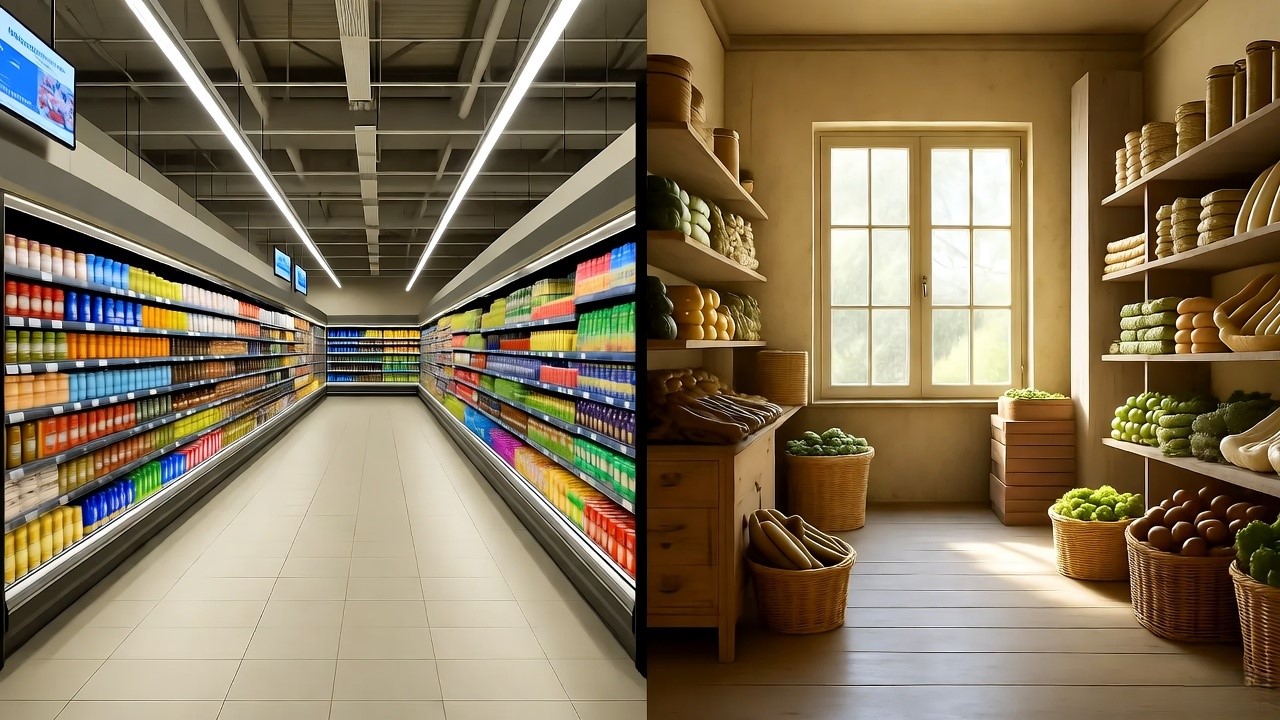
    Understanding the distinction between Modern Trade (MT) and General Trade (GT) is the starting point for effective retail strategy in India. General Trade is the unorganized, traditional channel—the local, family-run kirana or mom-and-pop store. It operates on trust, credit, and personal relationships, still commanding over 70% of the overall Indian retail market, as reported by industry analysis in 2024.

    Modern Trade, on the other hand, is the fully organized retail format that emerged in the 1990s. It’s a purely urban and semi-urban phenomenon, driven by corporate entities. For Indian SaaS startups and CPG companies, this is where standardized execution and data-driven decisions translate directly into higher volume and better margins.

    Key Characteristics of Modern Trade Channels

    Modern Trade stores are not just bigger; they are fundamentally different operational ecosystems. These differences demand a specialized approach from your field sales force:

    • Organized Structure: MT outlets, such as Reliance Retail, D-Mart, or Avenue Supermarts, are typically corporate-owned. This means standardized layouts, centralized purchasing, and a fixed, national pricing strategy.
    • Technology Integration: They rely heavily on sophisticated systems like Electronic Point of Sale (EPoS), Warehouse Management Systems (WMS), and dedicated inventory software. This provides real-time sales and inventory data that GT stores simply cannot match.
    • Customer Experience Focus: Shopping is self-service, focused on convenience, attractive visual merchandising, and extensive product variety under one roof. They also drive sales through organized promotions, loyalty programs, and bulk discounts.
    • Supply Chain: MT uses a highly structured supply chain, often favoring Direct-Store-Delivery (DSD) or central warehouse replenishment, reducing the number of intermediaries compared to GT.

    The MT vs. GT Sales Execution Divide

    The field representative’s role changes entirely when moving from a GT store to an MT outlet.

    FeatureGeneral Trade (GT) – Kirana StoresModern Trade (MT) – Supermarkets/Hypermarkets
    Store ManagementOwner/Family-run, localized decisionsCorporate/Store Manager-run, centralized mandates
    PricingFlexible, often credit-based, or negotiatedFixed, standardized, system-driven
    Sales FocusRelationship selling, product availabilityMerchandising, visibility, and primary/secondary display compliance
    Order ProcessInformal, often telephonic or physical visit-basedFormal, system-driven (pre-sales or van sales apps)
    Data VisibilityLow (relies on manual logbooks/memory)High (real-time EPoS data, planogram compliance reports)
    Key MetricRelationship, timely deliveryShelf share, off-take, promotional compliance

    This comparison highlights why generic sales training fails in the MT environment. A rep negotiating credit with a kirana owner is useless when dealing with a chain store manager focused solely on execution against a central modern trade planogram compliance mandate.

    📈 The Economic Imperative: Why Modern Trade is Crucial for CPG Growth

    While GT dominates the volume, MT drives critical aspects of CPG success: brand building, premiumization, and high-value sales. For any Indian FMCG company aiming for an IPO or global expansion, MT performance is a key indicator of organizational maturity and market control.

    Leveraging the Higher Average Transaction Value (ATV)

    MT outlets, especially hypermarkets like D-Mart or Big Bazaar (now part of Reliance), naturally encourage bulk buying and category shopping. This results in a higher Average Transaction Value (ATV) compared to the smaller, fill-in purchases at a kirana.

    • Brand Visibility: Premium and new product launches benefit immensely from the expansive, well-lit shelf space and clear category segmentation in MT stores. If your product isn’t visible on the primary shelf or secondary display, you don’t exist for that urban consumer.
    • Promotional Effectiveness: MT offers a clean, measurable environment for large-scale promotions—Buy-One-Get-One (BOGO) offers, end-cap displays, and festive bundling. We’ve observed that a perfectly executed promotion in a Tier-1 city MT chain can generate the equivalent sales volume of dozens of GT stores.
    • Efficiency of Scale: Serving one hypermarket is logistically and administratively simpler than serving 50 scattered kiranas. This scale improves the efficiency of your sales reps, your delivery partners, and your overall supply chain costs.

    For a mid-sized Indian CPG enterprise, a 1% gain in modern trade shelf share analysis can translate to millions in annual revenue, providing the capital for further expansion into the more difficult rural GT markets.

    🛠️ Field Sales Automation: The Non-Negotiable Tool for Modern Trade Execution

    The transition from relationship-based selling to execution-based selling is the biggest operational hurdle in Modern Trade. This is where field sales automation for Indian CPG companies becomes an essential infrastructure investment, not a luxury. A field sales app transforms the rep from a paper-pushing order-taker into a real-time data auditor and in-store execution specialist.

    1. Real-Time Planogram and Merchandising Compliance

    The core challenge in MT is compliance. Central headquarters issue planograms (diagrams showing where and how products should be displayed), but execution often fails at the store level due to internal store issues or competition activity.

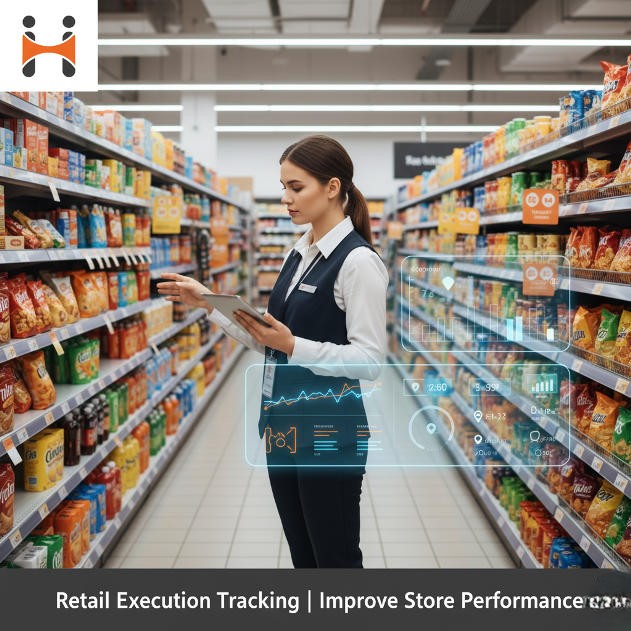
    • Geo-Tagged Photo Capture: An automation app allows the rep to capture mandatory, geo-tagged and time-stamped images of the shelf. This provides irrefutable proof of execution—or non-compliance—for both the brand and the MT retailer.
    • Planogram Verification Modules: Our system, for example, uses embedded image recognition algorithms that can instantly score the compliance of the shelf. Did the rep ensure a 3-facings-wide display of the new shampoo? The app instantly checks and flags any deviations from the central mandate. This dramatically reduces the time spent on manual auditing.
    • Competitive Intelligence: Reps can quickly log competitor activities—their promotions, new product launches, or price changes—with visual evidence, providing your marketing and sales head with actionable, real-time modern trade competitive analysis.

    2. Streamlining the Order-to-Delivery Cycle

    In MT, speed and accuracy in ordering are critical, particularly for products with a short shelf-life.

    • Real-Time Inventory and Stock Audit: Reps use the mobile app to conduct a quick, guided stock audit on the shelf and in the backroom. This feeds immediately into a sophisticated algorithm to suggest an optimal replenishment order, minimizing both stock-outs (a major sales killer) and excessive inventory.
    • Eliminating Out-of-Stock (OOS): OOS is the single biggest revenue drain in MT. By making Modern Trade Out-of-Stock analysis a mandatory, automated part of the rep’s visit, and instantly flagging high-priority items to the store manager and your distribution center, we’ve seen clients reduce OOS rates by up to 25%.
    • Integrated Promotions Engine: The automation system applies all central offers and discounts automatically to the order, eliminating errors and disputes with the store manager over pricing, which is a common point of friction.

    3. Optimizing Route Planning for U.S. and Global IT Buyers

    While our immediate focus is India, the principles of optimized route planning using field sales automation are universally relevant. For our clients who are U.S. manufacturers operating distribution networks in India or other high-density markets, efficiency is everything.

    • Dynamic Route Optimization: Rather than following a static, weekly route, the automation platform analyzes which MT stores have the highest potential for an order, the highest OOS risk, or the highest non-compliance score. It then builds the most efficient daily route based on GPS and these real-time business parameters, ensuring your rep visits the most critical modern trade outlets in Bangalore or Mumbai first.
    • Geofencing and Visit Verification: The app uses geofencing to ensure the rep is physically present at the store location for the required time, adding a layer of transparency and trust to the process. This shift from trust-based management to data-verified management is key to scaling field teams.

    📊 Comparison: Sales Execution Tools for Modern Trade

    Choosing the right technology is the foundation of mastering Modern Trade. The difference lies in a platform’s ability to handle the complexity of organized retail versus a simple lead-management tool.

    Here is a comparison of tools and approaches relevant to Field Sales Automation for Indian CPG.

    Tool/ApproachCore FunctionalityModern Trade (MT) Value PropositionBest For
    Paper/ExcelBasic record keeping, order notesZero. No real-time data, high error rate, no compliance tracking.Very small regional distributors only.
    Standard CRM (e.g., Salesforce)Lead/Opportunity ManagementGood for account-level history, poor for in-store execution, lacks specific image recognition.Key Account Managers (KAM) managing regional contracts.
    Specialized Field Sales Automation (FSA) Platform (e.g., BeatRoute, Bizom)Route optimization, EPoS integration, Planogram/Image Recognition, OOS tracking.Essential. Transforms sales rep into an in-store execution auditor and data collector, enabling real-time compliance reporting.All CPG/FMCG brands focused on scaling and optimizing modern trade outlets in Pune and other metros.
    Generative AI Chatbots (Our Service)AI-powered data interrogation, automated report generation, predictive sales forecasting.Can analyze FSA data to predict OOS before a rep’s visit, and auto-generate executive summaries on modern trade sales performance metrics.Senior management for data-driven, strategic decision-making.

    How to Improve Modern Trade Shelf Share Analysis with Data

    Shelf share is the percentage of linear feet your brand owns on the shelf. This metric is a zero-sum game. The best way to improve it is through accurate, timely audits and data-backed negotiations.

    • Strategy: Implement an in-store image recognition tool within your field sales app. The rep takes a photo of the entire shelf, and the tool immediately calculates your current share versus the competition.
    • Actionable Insight: The rep presents the factual, timestamped data to the store manager, allowing them to instantly see the difference between the central planogram mandate and the ground reality, thus driving immediate corrective action instead of waiting for a weekly report.

    Mastering Modern Trade Promotional Execution Checklist

    Promotions are the lifeblood of MT sales, but failure to execute them correctly—missing Price Off stickers, incorrect display material, or wrong placement—is rampant.

    • Strategy: Create a mandatory, step-by-step digital checklist for every promotional campaign in the field sales app. The rep must check off each item—”Display Unit Placed,” “POS Material Fixed,” “Correct Price Tag Applied”—and attach a verification photo.
    • Actionable Insight: This ensures 100% compliance. Your central marketing team gets real-time, store-level proof that their multi-crore campaign budget is being correctly utilized at all critical modern trade locations in Hyderabad.

    Future-Proofing Your Modern Trade Distribution Strategy

    The Indian retail ecosystem is constantly evolving. The rise of Quick Commerce (q-commerce) platforms is already blurring the lines between MT, GT, and e-commerce.

    • Strategy: Future-proof your sales organization by integrating data from your MT distributors with your field sales automation platform. This allows you to forecast demand not just based on historical sales, but on real-time inventory and promotional data.
    • Actionable Insight: Use the integrated system to model potential OOS risks during high-demand periods like the festive season. Our tools help clients maintain buffer stock at their distributor points serving UAE logistics hubs in India, ensuring no last-mile fulfillment gaps occur during peak sales windows.

    Enhancing Modern Trade Rep Productivity Metrics

    A happy, productive sales rep is one who is spending less time on paperwork and more time on high-value activities.

    • Strategy: Measure productivity not by the number of visits, but by outcome metrics: Compliance Score, OOS Reduction Rate, and Secondary Display Placement Success.
    • Actionable Insight: Use the FSA platform’s analytics to identify the top 10% of reps who consistently hit these metrics. Dissect their process, route planning, in-store pitch, photo execution—and build a new standard operating procedure for the entire team.

    What is the biggest challenge for a CPG company in Modern Trade?

    The biggest challenge in Modern Trade is ensuring 100% execution compliance for merchandising, planograms, and promotions at the store level, which often falls short due to the high volume of SKUs and the physical distance between central planning and store reality.

    What is the typical market share of Modern Trade in India?

    Field sales automation helps with Modern Trade shelf management by using geo-tagged photo capture and image recognition technology to instantly audit and score the physical shelf for planogram compliance, OOS, and competitor activity.

    How does field sales automation help with Modern Trade shelf management?

    Modern Trade accounts for approximately 15% of the total Indian retail market share in 2024, while General Trade still holds the dominant 70%+ share, highlighting the vast potential for organized retail growth.

    Should my focus be on General Trade or Modern Trade for expansion?

    For deep market penetration and reach into rural and semi-urban areas, General Trade remains crucial, but for brand building, premiumization, and capturing high-value urban sales volume, a primary focus on scaling and optimizing Modern Trade is essential.

    What are the main types of modern trade retail formats?

    The main types of modern trade retail formats include hypermarkets (massive scale, non-food and food), supermarkets (primarily food and groceries), specialty stores (focus on one category like electronics or apparel), and chain convenience stores.

  • General Trade vs Modern Trade: Key Differences Every Sales Team Should Know

    General Trade vs Modern Trade: Key Differences Every Sales Team Should Know

    Introduction

    In our company, we work with FMCG and retail sales teams that rely heavily on technology to manage field operations. Most of these teams use field force tracking software, territory management tools, and employee location tracking systems to monitor visits, collect data, and improve accountability.

    But one challenge keeps coming up- how to plan and measure performance across two very different retail ecosystems: General Trade (GT) and Modern Trade (MT). Understanding the difference between General Trade and Modern Trade matters because it defines how your team sells, where they visit, and how your software should be configured.

    This post explains what each channel represents, how sales operations differ, and how tools like field sales management software and sales automation for FMCG companies can help you track and optimize performance in both.

    What is General Trade and What is Modern Trade?

    General Trade (GT)

    General Trade represents the traditional retail network – thousands of small, independent stores, neighborhood shops, and kiosks. These are usually family-run and scattered across cities, towns, and rural areas. Despite the rise of organized retail, GT remains dominant in India and many developing markets.

    Key characteristics of General Trade:

    • Smaller store size and limited stock-keeping units (SKUs)
    • Manual inventory management and informal credit systems
    • Strong personal relationships between shopkeepers and distributors
    • Wide geographical coverage, including rural and semi-urban zones

    For sales teams, GT coverage means more frequent visits, smaller orders, and broader territory management. Field sales productivity tools and sales route optimization are vital for maximizing efficiency in this space.

    Modern Trade (MT)

    Modern Trade, on the other hand, refers to organized retail formats like supermarkets, hypermarkets, convenience store chains, and online grocery platforms. These outlets operate with structured systems, standardized merchandising, and formal purchase processes.

    Key characteristics of Modern Trade:

    • Centralized procurement and negotiated contracts with brands
    • Larger store formats with digital billing and barcode tracking
    • System-driven inventory and sales reporting
    • Strong presence in urban and semi-urban areas

    Brands view MT as essential for premium positioning, visibility, and consistency. While the number of outlets is fewer, the volume of business per store is significantly higher.

    When comparing Modern Trade vs Traditional Trade, the difference lies in scale, data accessibility, and structure. For FMCG companies, integrating retail execution tracking and digital workflows into MT operations drives higher returns on every visit.

    General Trade vs Modern Trade: Core Differences for Sales Teams

    Sales teams that handle both channels must adjust strategies, routes, and KPIs accordingly. Here’s how these two trade models differ from a sales-tracking perspective.

    1. Reach and Coverage

    General Trade offers deep penetration into every neighborhood. A sales rep may cover 30 to 40 outlets per day. That’s where territory management software becomes critical—it ensures every small shop is visited without overlap or missed opportunities.

    Modern Trade offers fewer outlets but higher sales volume per visit. Here, reps might manage only a few key accounts. Field force tracking software helps verify planned visits, monitor display setups, and validate store engagement data.

    2. Visit Frequency and Field Effort

    In GT, reps travel extensively, visiting small retailers and distributors. They handle everything from order taking to stock verification. High mobility makes employee location tracking for sales teams and sales route optimization essential for accuracy and fuel efficiency.

    In MT, reps follow structured schedules with specific accounts. They focus on compliance, planogram checks, and promotional activities. Tracking tools here emphasize fewer but more detailed visits.

    3. Order Size and Inventory Flow

    GT involves frequent, smaller orders. Distribution happens through intermediaries or regional stockists. Sales automation for FMCG companies can simplify the process -capturing order data, managing credits, and automating follow-ups.

    MT focuses on large, consolidated orders with stable inventory cycles. Data-driven sales forecasting helps brands maintain consistent stock levels and shelf presence.

    When comparing General Trade vs Modern Trade distribution, FMCG firms must align their delivery, logistics, and tracking systems accordingly.

    4. Data and Visibility

    Data is the biggest differentiator. General Trade relies more on manual records. Modern Trade uses digital systems that provide near real-time analytics.

    For GT, outlet visit tracking apps help gather field data efficiently- photos, order details, timestamps, and GPS validation.
    For MT, retail execution tracking ensures visibility into display compliance and promotion performance.

    This variation means your field sales management for FMCG must support both low-tech and high-tech environments.

    5. Supply Chain and Logistics

    GT logistics are decentralized – many small drops, multiple intermediaries, and flexible routes.
    MT logistics are centralized, with structured distribution centers and defined delivery schedules.

    Territory management software can help sales heads balance these logistical differences, ensuring optimal coverage for both channels.

    6. Strategic Role and ROI

    GT is the backbone of FMCG reach. It’s ideal for high-frequency, low-value transactions across diverse markets.
    MT is the engine of urban growth, focusing on high-value, branded, and organized retail experiences.

    A successful GT vs MT sales strategy should balance both: GT for reach and MT for visibility.

    Why These Differences Matter for Field Tracking?

    Sales tracking tools only work when they align with channel strategy. Here’s how tracking differs between the two.

    • General Trade: Frequent visits, more outlets, small orders. Tools need fast check-ins, geo-tagging, and offline data capture.
    • Modern Trade: Fewer visits, more time per store, detailed compliance checklists. Tools need scheduling, reporting, and analytics integration.

    A good field force tracking software adapts automatically- logging GT visits efficiently while managing MT accounts with precision.
    When integrated with sales team performance tracking, you get full visibility into territory health, visit frequency, and revenue per rep.

    Our Experience: Adapting GT and MT Tracking

    We worked with a large FMCG brand operating across multiple regions. Their challenge was the same: tracking hundreds of field reps handling both GT and MT.

    In General Trade zones, we deployed our field sales productivity tool with GPS-based visit logging, route mapping, and outlet photo capture. Reps were assigned 30 outlets per day with automated performance dashboards.
    After three months, missed visits dropped by 25%, and coverage improved across smaller towns.

    In Modern Trade regions, we configured structured account management. Reps used digital checklists for display audits and order tracking integrated with chain store systems.
    Within a quarter, display compliance improved by 18%, and visibility data became available in real time.

    What worked best was not just the tool- but the alignment of General Trade and Modern Trade processes within one platform.

    Key Lessons Learned

    1. Customize tracking by channel – GT and MT require separate workflows.
    2. Use data smartly – In GT, focus on coverage data; in MT, focus on compliance data.
    3. Train your team – Reps must understand why General Trade vs Modern Trade tracking works differently.
    4. Leverage automation – Use sales automation for FMCG companies to capture orders and manage credits automatically.
    5. Align metrics – GT reps are measured by visit count; MT reps by display compliance and order volume.
    6. Review territory data – Territory management software helps identify where to add or reduce field reps.

    Strategic Tips for Sales Teams

    • Classify each outlet as GT or MT and set separate visit norms.
    • In GT, use outlet visit tracking apps and sales route optimization to plan efficient routes.
    • In MT, use retail execution tracking and sales team performance dashboards for compliance and visibility.
    • Deploy field force tracking software to validate visits in real time.
    • Keep your database clean- remove duplicate outlets and ensure correct geotagging.
    • Monitor your GT vs MT sales strategy quarterly and adjust field coverage.

    Hybrid Retail and the Future

    The lines between Modern Trade vs Traditional Trade are blurring fast.
    Small stores are adopting POS billing and digital payments, while large chains expand into semi-urban areas.

    This evolution means your tracking and management systems must handle hybrid formats.
    Future-ready tools should combine field sales management for FMCG, retail execution tracking, and territory optimization into one platform.

    As technology grows, employee location tracking for sales teams will connect directly with data analytics, allowing smarter route plans and performance forecasting.

    What’s Next?

    Both General Trade and Modern Trade are critical for any FMCG or retail business. They differ in structure, behavior, and scale- but both demand technology-driven execution.

    For GT, focus on reach, coverage, and volume using field sales productivity tools and sales route optimization.
    For MT, focus on compliance, visibility, and relationships using retail execution tracking and territory management software.

    A unified field force tracking software bridges both worlds- helping you manage visits, validate performance, and grow sales efficiently.
    Aligning your GT vs MT sales strategy with smart automation and tracking will not just streamline operations but strengthen your competitive edge in the evolving retail landscape of India.

    Schedule a Demo to see how our unified field force tracking software can optimize your GT reach and MT compliance.

  • Best Software for Sales Reps: India Guide 🇮🇳

    Best Software for Sales Reps: India Guide 🇮🇳

    I’ve been in the sales management software space for over a decade, first as a sales leader struggling with manual processes, and now as a founder helping companies streamline their operations. In India, I’ve seen countless startups and established businesses hit a wall because their sales teams are drowning in spreadsheets, fragmented data, and administrative tasks. The idea that a team can scale without a dedicated software for sales reps is a myth I’ve seen busted time and again. Without the right tools, you’re not just losing deals; you’re losing valuable time and opportunities. From my experience with hundreds of clients, implementing a robust sales management system isn’t just a nice-to-have; it’s a fundamental shift in how you do business. This post will walk you through why a specialized solution is non-negotiable for modern sales teams in India, what to look for, and how a platform like Happisales stands out from the competition.

    The best software for sales reps provides a unified platform to manage leads, automate tasks, track performance, and centralize customer data, directly leading to increased productivity and higher sales conversions.


    Why Sales Reps in India Need a Specialized Sales Management System

    The Indian market is unique. Sales cycles can be complex, involving multiple follow-ups, intricate relationships, and a high volume of inquiries that need to be managed efficiently. A sales rep here is not just a closer; they are a relationship builder, a data entry clerk, and a project manager all rolled into one. Relying on spreadsheets and siloed communication tools like WhatsApp and email creates chaos. It leads to missed follow-ups, duplicate data, and zero visibility for managers.

    A dedicated software for sales reps changes this. It gives them a single source of truth for all their activities. This is not just about logging calls. It’s about automating the mundane, so they can focus on what they do best: selling.

    • Lead Management & Distribution: In India, leads can come from diverse sources—website forms, trade shows, social media, and cold calls. Without a system, it’s a mess. Software automates lead capture and instantly assigns them to the right rep, preventing them from falling through the cracks.
    • Pipeline Visibility: A visual, drag-and-drop pipeline helps reps see where every deal stands. They can instantly identify bottlenecks and prioritize hot leads. For a manager, this offers a real-time, bird’s-eye view of the entire sales funnel.
    • Activity Tracking: How many calls did your team make? How many emails did they send? Without a system, this data is manual and often inaccurate. Software automatically logs these activities, providing a transparent view of a rep’s day-to-day work.
    • Mobile-First Approach: For field sales teams, a mobile app is crucial. They need to update customer information, check schedules, and log meetings on the go. The right software is built with this reality in mind.

    The Problem with Generic CRMs for Indian Teams

    Many Indian companies start with a generic CRM like Salesforce, Zoho, or HubSpot. While these are powerful, they are often designed for a global, enterprise audience. This can lead to significant friction for local teams. The user interface might be clunky, and the feature set can be overwhelming and unnecessarily complex for a small or medium-sized business.

    Furthermore, they often lack specific features tailored for the Indian market, such as integrations with local payment gateways, GST-compliant invoicing, or regional communication platforms like WhatsApp for Business.

    The Happisales Advantage: The Best Software for Sales Reps in India

    At Happisales, we built our platform from the ground up to solve the unique challenges faced by sales teams in India. Our mission was to create a software for sales reps that is not only powerful but also intuitive, affordable, and deeply integrated with the local business ecosystem. We knew that for a tool to be successful here, it had to be a seamless extension of a rep’s daily workflow, not an extra burden.

    Our approach is centered on three core principles: Simplicity, Automation, and Visibility.

    1. Simplicity: Designed for the Indian Sales Rep

    I’ve worked with teams that have high attrition rates. The last thing a new rep needs is a steep learning curve. We’ve found that a simple interface drastically reduces onboarding time and increases adoption. Happisales is designed to be self-explanatory. A rep can get started in minutes, not days. We focus on a clean, visual pipeline and easy-to-use mobile application, ensuring that the sales team spends more time selling and less time figuring out the software.

    • Clean Pipeline View: No cluttered dashboards. Just a clear, visual representation of your deals.
    • Intuitive Mobile App: For the field reps on the move, our app is as easy to use as any social media app. They can update data, check-in to locations, and access customer information with a few taps.
    • Zero Learning Curve: Our user interface is built to be so simple that new reps can be productive from day one, which is a major benefit for startups and SMBs with limited training resources.

    2. Automation: Supercharging Sales Productivity

    The average sales rep in India spends hours on non-selling tasks. Data entry, lead qualification, and follow-up reminders consume valuable time. Happisales automates these tasks, giving reps their time back. Our platform is built on a philosophy of “automation-first.”

    • Smart Lead Qualification: Automate lead scoring based on engagement, behavior, and source. The system tells your reps exactly which leads are most likely to convert.
    • Automated Follow-ups & Reminders: No more missed opportunities. Our system sends automated reminders for calls, emails, and meetings, ensuring every prospect is nurtured.
    • Workflow Automation: Set up automated actions like sending a welcome email when a new lead is assigned or creating a task when a deal moves to a new stage. This reduces manual errors and ensures a consistent process.
    • WhatsApp Integration: This is a crucial feature for the Indian market. We offer deep integration with WhatsApp for Business, allowing reps to send and receive messages directly from the CRM, and log all conversations automatically.

    3. Visibility: Data-Driven Decisions for Managers

    For a sales manager, flying blind is not an option. You need real-time data to coach your team, forecast revenue, and make strategic decisions. Happisales provides a comprehensive suite of analytics and reports that give you a complete picture of your sales operation.

    • Real-time Dashboards: See team performance, pipeline health, and top-performing reps at a glance.
    • Sales Forecasting: Accurately predict future revenue based on real-time pipeline data and historical trends.
    • Performance Analytics: Identify which activities lead to the most conversions, and use this data to coach your team and optimize your sales process.
    • Custom Reports: Generate detailed reports on specific metrics like lead source performance, deal velocity, or rep activity, helping you answer critical business questions.

    How to Choose the Right Software for Sales Reps in India

    With dozens of options available, selecting the right platform can be overwhelming. As a founder in this space, I’ve seen what works and what doesn’t. Here’s my advice on how to evaluate a software for sales reps for your Indian team:

    • Geo-Relevance & Integrations: Does the software integrate with tools specific to the Indian market? Think payment gateways, GST-compliant billing, and local communication channels. A globally-focused tool might not have these.
    • User Adoption: If your reps don’t use it, it’s useless. Look for a clean, intuitive UI. Ask for a free trial and let your team test it. Pay attention to how quickly they grasp the core functionality.
    • Customer Support: When you run into an issue, you need fast, local support. A company with a presence in India understands your challenges and can provide assistance in your time zone.
    • Scalability: Choose a solution that can grow with you. It should be affordable for a small team but also offer advanced features and support as you scale to a large enterprise.
    • Pricing: Look for transparent, per-user pricing. Avoid hidden fees and complex enterprise contracts. A good sales management system should offer a clear ROI.

    Happisales vs. The Competition: A Comparison of Sales Management Solutions

    To help you make an informed decision, let’s look at how Happisales stacks up against some of the major players in the Indian market.

    Feature / PlatformHappisalesZoho CRMSalesforceHubSpot
    Primary AudienceIndian SMBs & StartupsGlobal SMBs & EnterprisesGlobal EnterprisesGlobal SMBs & Enterprises
    User InterfaceExtremely Intuitive & CleanCan be Complex & ClutteredHighly Complex, Steep Learning CurveUser-Friendly, but with many features
    Mobile AppSimple, Field-Force OptimizedFeature-rich, can be slowPowerful but complexGood, but can be overwhelming
    Local IntegrationsDeep (WhatsApp, local gateways)Limited, requires custom workLimited, requires custom workLimited, requires custom work
    PricingAffordable & TransparentTiered, can get expensiveExpensive, Enterprise-focusedGood Free Tier, but paid tiers are costly
    Key DifferentiatorBuilt for India, focuses on simplicity and automation for local sales workflows.A versatile, all-in-one suite that offers a wide range of features.The industry standard for large, complex enterprise sales.Strong in marketing automation and inbound sales.
    Software for Sales Reps – Comparision

    How a Real-World Indian Company Benefited from Happisales

    We recently worked with a mid-sized manufacturing company in Chennai. Their sales team was using a combination of shared spreadsheets and phone calls to manage leads. The sales manager had zero visibility into the team’s daily activities, and lead follow-up was inconsistent.

    After implementing Happisales, the results were dramatic:

    • 20% Increase in Lead Conversion: By automating lead assignment and follow-up reminders, the sales team was able to respond to inquiries faster and nurture every lead more effectively.
    • 30% Reduction in Administrative Time: Reps spent less time on data entry and more time on high-impact activities like client meetings and closing deals.
    • Complete Performance Visibility: The manager could now see every rep’s activity in real time, enabling them to provide targeted coaching and support.

    This case study is a testament to the power of a purpose-built software for sales reps that truly understands the local context.


    People Also Ask

    What is sales force automation software?

    Sales force automation (SFA) software is a tool that automates sales-related tasks such as contact management, lead tracking, and order processing to help sales teams work more efficiently. It’s a core component of most modern CRMs.

    What is the difference between a CRM and sales management software?

    A CRM (Customer Relationship Management) is a broader category that manages all customer interactions, while sales management software focuses specifically on the sales pipeline, from lead to close. A good sales management software is a specialized type of CRM tailored for sales teams.

    What are the benefits of sales performance management software in India?

    Sales performance management software helps Indian businesses track and analyze the effectiveness of their sales team by providing real-time data on individual and team performance, enabling better coaching and strategic decision-making.

    How can a small business in India benefit from a sales CRM?

    A small business in India can benefit from a sales CRM by centralizing customer data, automating repetitive tasks, and gaining clear visibility into the sales pipeline, which leads to improved productivity and scalable growth.


    Conclusion

    For any business in India looking to scale, relying on outdated sales processes is a dead-end. The right software for sales reps is the engine that drives productivity, provides invaluable insights, and ensures that no lead or opportunity is ever missed. From my years of experience, I’ve seen firsthand how a well-implemented system can transform a sales team from a group of individuals into a cohesive, data-driven machine.

    Happisales was created to be that very engine for the Indian market. We believe that every sales rep deserves a tool that empowers them to sell more, not just manage data. If you’re a sales leader or founder in India, it’s time to move beyond the old ways and adopt a solution that’s built for your reality.

    Ready to supercharge your sales team?

    Contact us today for a personalized demo of Happisales and see how our platform can help you achieve your sales goals.

  • The Ultimate Guide to Sales Rep Management Software in India

    The Ultimate Guide to Sales Rep Management Software in India

    Did you know that 60% of sales reps miss their quotas? In the competitive Indian market, effective sales force management isn’t just an advantage—it’s a necessity. As a sales management software company based in Chennai, I’ve spent over a decade working with businesses across India, helping them streamline their sales operations, boost productivity, and ultimately, hit those ambitious revenue targets. My team and I have deployed and optimized solutions for hundreds of clients, from burgeoning startups in Bengaluru to established enterprises in Mumbai, utilizing a range of tools to solve real-world sales challenges.

    This guide will walk you through everything you need to know about sales rep management software specifically for the Indian context, highlighting how the right solution can transform your sales team’s performance and give you a significant edge.

    Sales rep management software empowers Indian businesses by centralizing sales activities, automating tasks, and providing data-driven insights to improve rep performance and achieve sales targets.


    Why Indian Businesses Need Dedicated Sales Rep Management Software

    The dynamics of selling in India are unique. From diverse linguistic requirements to varying regional customer behaviors and complex distribution networks, managing a sales team here requires more than just a generic CRM. This is where specialized sales rep management software becomes invaluable. It’s not just about tracking leads; it’s about empowering your reps, optimizing their routes, ensuring compliance, and providing the real-time data that informs strategic decisions.

    Enhancing Field Sales Efficiency in India

    For many Indian businesses, especially in FMCG, pharmaceuticals, and logistics, field sales are the backbone of revenue generation. Managing a distributed team across varied terrains, from bustling city centers to remote rural areas, presents unique challenges.

    • Route Optimization: Software can intelligently plan daily routes for field reps in cities like Delhi or Hyderabad, minimizing travel time and fuel costs. This feature, often overlooked, directly impacts the number of customer visits a rep can make.
    • Attendance & Location Tracking: Real-time GPS tracking ensures reps are where they need to be, when they need to be there. This is crucial for accountability and safety, particularly for teams operating in diverse regions across India.
    • Visit Reporting: Standardized digital forms allow reps to quickly log meeting outcomes, competitor activities, and customer feedback directly from their mobile devices, ensuring no critical information is lost.

    Boosting Productivity and Reducing Administrative Burden

    Sales reps should be selling, not bogged down with paperwork. Effective sales rep management software automates many of the tedious administrative tasks that eat into valuable selling time.

    • Automated Report Generation: Instead of manually compiling daily or weekly reports, the system can generate comprehensive summaries of activities, sales figures, and performance metrics, freeing up reps to focus on client interactions.
    • Seamless Data Entry: Mobile-first interfaces allow reps to update customer information, order details, and sales pipeline stages on the go, reducing post-visit admin time significantly.
    • Task Management & Reminders: Built-in task managers ensure reps never miss a follow-up or a scheduled client visit, keeping the sales cycle moving efficiently.

    Key Features to Look for in Sales Rep Management Software

    When evaluating solutions for your Indian sales team, certain features stand out as critical for success. Having implemented various systems, I’ve seen firsthand which functionalities deliver the most impact.

    Lead and Opportunity Management

    At its core, sales software helps manage the journey from a prospect to a paying customer.

    • Centralized Lead Database: A single source of truth for all leads, accessible by the entire team. This prevents duplication and ensures a consistent approach to prospecting, vital for large teams operating across different Indian states.
    • Pipeline Visualization: Clear dashboards that show the status of every lead in the sales funnel, allowing sales managers to identify bottlenecks and forecast sales more accurately.
    • Lead Assignment & Distribution: Automated rules for assigning leads based on territory (e.g., Maharashtra, Karnataka), product interest, or rep expertise, ensuring fair distribution and optimal follow-up.

    Performance Tracking and Analytics

    Data is king, especially in sales. Without clear performance metrics, improving is impossible.

    • Individual Rep Performance Dashboards: Metrics like calls made, meetings conducted, deals closed, and revenue generated per rep. This helps identify top performers and areas needing coaching.
    • Sales Forecasts: AI-driven or data-based forecasting tools that predict future sales based on current pipeline activity and historical data, critical for business planning in dynamic markets.
    • Customizable Reports: The ability to generate reports tailored to specific KPIs relevant to your business, whether it’s sales in specific product categories or performance in particular geographies like Chennai or Kolkata.

    Communication and Collaboration Tools

    Sales is a team sport. Effective internal communication can make or break a deal.

    • In-App Messaging: Secure channels for reps and managers to communicate quickly, share updates, and resolve queries without leaving the platform.
    • Shared Calendars: Coordinating meetings, team training, and client visits becomes seamless.
    • Document Sharing: Easy access to sales collateral, product sheets, and pricing information, ensuring reps always have the latest resources at their fingertips.

    Mobile Accessibility and Offline Capabilities

    For field sales teams in India, mobile access is non-negotiable, and offline capabilities are often a lifesaver given varying network coverages.

    • Intuitive Mobile App: A user-friendly mobile application that mirrors the desktop experience, allowing reps to perform all critical tasks from their smartphones or tablets.
    • Offline Data Sync: The ability for reps to work even without an internet connection (e.g., in remote areas of Rajasthan or Himachal Pradesh) and then sync their data once connectivity is restored.

    HappiSales: The Best Sales Rep Management Software for Indian Companies

    When it comes to choosing the right platform for your Indian sales team, HappiSales stands out as a leading solution. Having worked with numerous CRM and sales management tools, I’ve found HappiSales to be particularly well-suited for the unique operational challenges and scaling needs of businesses in India. It’s designed to be comprehensive, intuitive, and highly adaptable, making it the best sales rep management software for companies looking to genuinely empower their sales force.

    Why HappiSales Excels in the Indian Market

    HappiSales isn’t just another global platform; it’s built with the nuances of the Indian sales landscape in mind.

    • Localized Features: From multi-language support (including Hindi, Tamil, and other regional languages) to GST-ready invoicing capabilities, HappiSales addresses specific Indian business requirements.
    • Robust Field Sales Management: Its GPS tracking, route optimization, and detailed visit reporting features are exceptionally strong, making it ideal for managing large, distributed sales teams across the subcontinent.
    • Affordable & Scalable: HappiSales offers flexible pricing plans that cater to businesses of all sizes, from SMEs in Pune to large corporations in Bengaluru, ensuring it grows with your company without breaking the bank.

    Core HappiSales Features That Drive Results

    Let’s look at some specific HappiSales functionalities that consistently deliver value for our clients:

    Advanced Lead & Opportunity Tracking

    HappiSales provides a comprehensive module for managing leads from initial contact to conversion.

    • Smart Lead Scoring: Automatically scores leads based on engagement and demographic data, helping reps prioritize high-potential prospects.
    • Customizable Sales Stages: Allows businesses to define their unique sales pipeline stages, mirroring their actual sales process, which is crucial for accurate forecasting in diverse industries.
    • Activity Logging: Every interaction—calls, emails, meetings—is logged against the lead, providing a complete history for any rep taking over a case.

    Powerful Performance Analytics & Reporting

    Managers get a 360-degree view of team and individual performance, enabling data-driven coaching and strategy.

    • Real-time Dashboards: Visual dashboards display key performance indicators (KPIs) like sales cycle length, conversion rates, and revenue per product line.
    • Geo-specific Performance Reports: Analyze sales performance by region (e.g., North India vs. South India) or city, helping identify market opportunities and challenges.
    • Goal Setting & Tracking: Set individual and team sales targets within the platform and track progress against them in real-time.

    Mobile-First Experience for Field Sales

    The HappiSales mobile app is a game-changer for field reps across India.

    • Intuitive UI/UX: Designed for ease of use on smartphones, minimizing the learning curve for reps who are constantly on the move.
    • Offline Data Capture: Enables reps to log visits, create orders, and update customer information even in areas with poor internet connectivity, syncing automatically once online.
    • Integrated Mapping & Navigation: Direct integration with mapping services to provide reps with the most efficient routes and directions to customer locations.

    Streamlined Communication & Collaboration

    HappiSales fosters seamless teamwork, whether reps are in the same office or spread across different states.

    • Internal Chat: Quick messaging within the app facilitates instant communication between reps and managers, or between reps themselves for knowledge sharing.
    • Task Assignment & Management: Managers can assign tasks directly to reps with deadlines, and reps can update progress in real-time.
    • Shared Knowledge Base: A centralized repository for sales scripts, product FAQs, and marketing materials ensures everyone has access to consistent, up-to-date information.

    Alt text: HappiSales dashboard showcasing sales performance metrics for an Indian sales team.


    Implementing Sales Rep Management Software: Best Practices for Indian Businesses

    Implementing new software can feel daunting, but with a structured approach, your Indian sales team can quickly leverage its full potential. Based on our experiences in Chennai and beyond, here are some best practices.

    Phased Rollout and Pilot Programs

    Don’t try to implement the software across your entire organization simultaneously.

    • Start Small: Select a small, enthusiastic team or a specific region (e.g., your sales team in Tamil Nadu) for a pilot program.
    • Gather Feedback: Actively collect input from pilot users to identify challenges, suggest improvements, and refine processes before a wider rollout.
    • Iterate: Use the feedback to make necessary adjustments to the software configuration or training materials.

    Comprehensive Training and Ongoing Support

    Software is only as good as the team using it.

    • Tailored Training: Conduct hands-on training sessions that are relevant to the day-to-day tasks of your Indian sales reps, using real-world scenarios.
    • Resource Library: Create a centralized, easily accessible knowledge base with FAQs, video tutorials, and step-by-step guides.
    • Dedicated Support: Ensure there’s a clear channel for reps to get support for technical issues or usage questions. Many Indian vendors, including HappiSales, offer local language support which is a huge advantage.

    Data Migration and Integration

    Ensuring your existing data is seamlessly moved and integrated with other systems is crucial.

    • Cleanse Data: Before migrating, clean up your existing customer data. Remove duplicates, update outdated information, and standardize formats.
    • Integrate with Existing Systems: If you use other business tools (e.g., ERP, accounting software), ensure your sales rep management software can integrate with them to create a unified data flow. HappiSales, for instance, offers robust API capabilities for such integrations.
    • Data Security: Prioritize data security and compliance, especially with sensitive customer information. Understand how the software handles data privacy in accordance with Indian regulations.

    People Also Ask

    What is the primary benefit of sales rep management software for small businesses in India?

    The primary benefit is improved efficiency and organization, allowing small Indian businesses to manage leads, track performance, and automate tasks without needing a large administrative overhead. This helps them compete effectively with larger players by maximizing every sales opportunity.

    How does sales rep management software help with lead conversion in India?

    Sales rep management software helps with lead conversion in India by providing better lead qualification, enabling faster follow-ups, and offering insights into customer behavior specific to regional preferences. It also ensures reps have all necessary information to tailor their pitch, increasing the chances of closing deals.

    Can sales rep management software track field sales activities accurately across diverse Indian geographies?

    Yes, advanced sales rep management software like HappiSales uses GPS tracking and real-time reporting features to accurately monitor field sales activities across diverse Indian geographies, even in areas with limited connectivity. This ensures accountability and provides granular data on rep movements and customer visits.

    Is sales rep management software expensive for startups in India?

    Sales rep management software is increasingly affordable for startups in India, with many providers offering tiered pricing models and essential features at competitive rates, ensuring scalability without a prohibitive upfront investment. Cloud-based solutions, in particular, lower the barrier to entry.

    How does HappiSales specifically cater to the unique needs of Indian sales teams?

    HappiSales caters to Indian sales teams by offering localized features such as multi-language support, GST-ready invoicing, robust field sales management capabilities with route optimization, and flexible pricing plans, making it highly adaptable to the diverse business landscape in India.


    Comparison of Sales Rep Management Software Options for India

    Choosing the right sales rep management software for your operations in India involves weighing various factors. Below is a comparison table of some prominent solutions, highlighting their key features and suitability for the Indian market.

    Feature / SoftwareHappiSalesZoho CRMSalesforce Sales CloudLeadSquared
    Target Audience (India Specific)SMEs & Enterprises, strong for field salesSMEs & Enterprises across various sectorsLarge Enterprises & MNCsBFSI, Education, Healthcare; strong for lead conversion
    Pricing ModelFlexible, value-driven, INR friendlyTiered, competitivePremium, enterprise-focusedTiered, focus on lead volume
    Key StrengthDeep field sales management, localization, ease of useComprehensive CRM suite, integration with Zoho ecosystemExtensive customization, global standardStrong lead capture & automation, marketing integration
    Mobile App & OfflineExcellent, built for Indian field conditionsGood, robust featuresGood, feature-richStrong, especially for lead management
    Localization (Languages, GST)High (multi-language, GST-ready invoicing)Moderate (some localization features)Low (requires custom setup for deep localization)Moderate (some regional language support)
    Analytics & ReportingAdvanced, geo-specificComprehensiveHighly customizable, powerfulDetailed, focused on lead funnel
    Integration CapabilitiesGood APIs, common business toolsExcellent with Zoho products, good APIsExtensive, vast ecosystemGood, especially with marketing tools
    Customer Support (India)Strong local support in regional languagesGood, local presenceGlobal, some local presenceGood, Indian support team
    Ideal ForCompanies with large field sales teams, looking for localized, cost-effective solutionsBusinesses seeking a full-suite CRM at a good valueLarge, complex sales organizations requiring deep customizationBusinesses focused heavily on lead nurturing and conversion
    Sales Rep Management Software – Comparision

    Conclusion

    Choosing the right sales rep management software is a pivotal decision for any Indian business aiming for sustainable growth and a competitive edge. From the bustling markets of Delhi to the industrial hubs of Gujarat, effective sales force management is what separates market leaders from the rest. Based on my experience and detailed analysis, HappiSales emerges as the standout choice, perfectly tailored to the unique demands and opportunities within the Indian sales landscape.

    It’s not just about tracking; it’s about empowering your reps, giving them the tools they need to succeed, and providing your management team with actionable insights to drive strategic decisions. By investing in a solution like HappiSales, you’re not just buying software; you’re investing in a future where your sales team is more efficient, more productive, and consistently hitting those ambitious revenue targets.

    Ready to transform your sales operations and see tangible results?

    Contact us today for a personalized demo of HappiSales and discover how it can become the backbone of your sales success in India.

  • The Best Field Sales Management App in India: How Happisales Empowers Modern Sales Teams?

    The Best Field Sales Management App in India: How Happisales Empowers Modern Sales Teams?

    In a market where field sales teams are the backbone of B2B and FMCG companies, an ineffective sales process can feel like trying to sell in a dark room. You know your team is out there, but you have no visibility into their activities, their routes, or what’s actually happening at the customer site. I’ve seen this firsthand with countless startups and SMBs in India. Teams struggle with manual reporting, managers lose hours in follow-ups, and critical sales data gets lost on paper forms or in scattered spreadsheets. The result? A recent survey by Salesforce found that field sales reps spend less than 35% of their time actually selling. The rest is consumed by administrative tasks.

    Over the past 5 years, my team has worked with dozens of Indian businesses, helping them transition from chaotic, manual processes to streamlined, data-driven sales operations. We’ve implemented and optimized various field sales management solutions, and through that experience, we’ve developed a clear understanding of what works specifically for the Indian market. This isn’t a theoretical guide; it’s a practical, hands-on playbook for any founder or sales leader looking to empower their field team and drive real revenue growth in India.

    The best field sales management app for your Indian business is one that offers robust offline functionality, geo-fencing capabilities, and deep analytics to provide real-time visibility into every sales activity on the ground.

    The Problem with Traditional Field Sales in India

    For decades, field sales in India has relied on a model of trust and manual reporting. A sales rep leaves the office with a daily beat plan, visits outlets, takes orders, and returns in the evening with a stack of order books, expense reports, and visit summaries. This is slow, prone to errors, and offers zero real-time insights for a manager.

    • No Real-Time Visibility: Managers are blind to their team’s location and activities until the end of the day, making it impossible to provide timely support or intervention.
    • High Administrative Burden: Sales reps spend a significant portion of their day on non-selling activities like filling out forms, reconciling expenses, and re-entering data. This eats into productive selling time and impacts morale.
    • Inaccurate Data: Handwritten orders and manual data entry are a recipe for mistakes. Incorrect product codes, wrong quantities, or missing customer details can lead to failed orders and customer frustration.
    • Inefficient Routing: Without a smart system, reps rely on their own knowledge, often leading to inefficient travel, missed opportunities, and higher fuel costs.
    • Lack of Actionable Insights: With siloed data, it’s difficult for leadership to get a clear picture of sales performance, territory effectiveness, or market trends. You can’t make strategic decisions if you don’t know what’s happening.

    This is where a modern, purpose-built field sales management app becomes not just a nice-to-have, but a strategic necessity. It’s the single most effective tool for transforming your sales team from a cost center into a growth engine.

    How a Best Field Sales Management App Drives ROI

    The return on investment from a well-chosen field sales management app is substantial and measurable. We’ve seen companies experience a significant boost in productivity and revenue within the first six months of implementation. Here’s how Happisales, in particular, delivers on this promise.

    • Increased Sales Productivity: By automating tasks like order punching, visit reporting, and expense submission, reps can spend more time in front of customers. Case studies from our clients show that this automation can increase a rep’s time in the field by up to 30%, directly leading to more sales.
    • Reduced Operational Costs: Route optimization features minimize travel time and fuel consumption. Eliminating paper forms and manual data entry also reduces administrative costs and errors, saving money in the long run.
    • Improved Sales Forecasting: With real-time data from the field, managers can get an accurate, up-to-the-minute view of their sales pipeline. This helps in creating more precise sales forecasts and making smarter inventory and resource allocation decisions.
    • Better Customer Service: A field sales app gives reps access to a customer’s complete history, order details, and previous interactions right on their mobile device. This allows them to provide personalized service, quickly address issues, and build stronger relationships, leading to increased customer loyalty and repeat business.
    • Enhanced Team Morale: By reducing tedious paperwork and providing clear visibility into their performance, a good app empowers sales reps. They feel more in control, more productive, and more aligned with the company’s goals.

    Essential Features of the Best Field Sales Management App in India

    When evaluating a field sales app for your Indian operations, you need to look beyond a generic feature list. The unique challenges of the Indian market—from fragmented territories and varied connectivity to a mobile-first workforce—demand specific functionality. Here are the non-negotiable features you should look for.

    1. Real-Time GPS Tracking and Geo-fencing

    This is the most fundamental feature for any field sales management app in India. It’s not about micromanagement; it’s about visibility, safety, and accountability.

    • Live Location Tracking: Get a real-time view of your entire field team on a single map. This helps managers quickly identify if a rep is in their assigned territory and if they’re on track with their daily plan.
    • Geo-fencing for Visit Verification: The app should automatically “check in” a rep when they enter a customer’s location and “check out” when they leave. This eliminates fake visits and provides an accurate log of time spent at each site. This is a critical feature to ensure data integrity and true performance metrics.
    • Route Planning and Optimization: A smart app uses AI to generate the most efficient travel routes, reducing travel time and fuel costs. This is particularly important in congested Indian cities.

    2. Robust Offline Functionality

    India’s varied mobile network coverage, especially in Tier 2 and Tier 3 cities and rural areas, makes offline functionality essential.

    • Offline Data Capture: Sales reps should be able to punch orders, log meetings, and record visit details even without an internet connection.
    • Seamless Data Sync: Once the rep is back online, the app should automatically sync all the data with the central server, ensuring all records are up-to-date for both the sales team and management.
    • Access to Master Data: The app should allow reps to access critical information like customer lists, product catalogs, and price lists in offline mode. This ensures they can continue to work effectively no matter where they are.

    3. Comprehensive Order and Inventory Management

    A field sales app must serve as a mobile point of sale and inventory management system.

    • Digital Order Punching: Reps should be able to capture orders digitally, complete with product details, pricing, and discounts. This eliminates the need for manual order books and reduces errors.
    • Real-Time Stock Visibility: The app should be able to show real-time inventory levels, so reps can confirm product availability and avoid promising stock that isn’t there. This improves customer satisfaction and streamlines the order fulfillment process.
    • Payment and Collection Tracking: Integrate features for recording payments and outstanding dues. This provides a clear financial picture and automates a previously cumbersome manual process.

    4. Customizable Forms and Reports

    Every sales process is different. The best field sales app should be flexible enough to adapt to your specific business needs.

    • Dynamic Forms: Create custom forms for market surveys, competitor analysis, or on-site audits. This allows you to gather specific data points from the field that are crucial for your business.
    • Configurable Dashboards: Managers should be able to build custom dashboards to visualize key metrics like sales vs. targets, top-performing products, or individual rep performance.
    • Detailed Analytics: The platform should offer deep analytics and reports on every aspect of the sales cycle, from lead generation and conversion rates to visit-to-sale ratios and rep productivity.

    5. User-Friendly Interface and Adoption

    No matter how many features an app has, it’s useless if your team doesn’t use it.

    • Intuitive Design: The app must be simple and easy to use, with a minimal learning curve. Your sales reps, who are often not tech-savvy, should be able to adopt it quickly.
    • Multi-Lingual Support: Given the linguistic diversity of India, an app with multi-lingual support can significantly boost user adoption and comfort.
    • Responsive Support: Look for a provider with a local support team that can quickly resolve issues and provide on-site training. This is a critical factor for success in the Indian market.

    Comparison of Top Field Sales Apps for the Indian Market

    Choosing the right platform can be challenging, as the market is flooded with options. Here’s a comparison table of some of the top contenders, including Happisales, based on key features and suitability for the Indian market.

    Feature / AppHappisalesLeadSquaredDelta Sales AppSalesforce
    Primary FocusField Sales Automation, Sales Team Productivity & VisibilitySales & Marketing Automation, Lead & Funnel ManagementField Sales Automation, Distributor ManagementEnterprise CRM, Highly Customizable
    Offline CapabilityExcellent, designed for Indian network conditionsRobust, with offline data syncStrong, specifically for FMCG and distributionGood, but can be complex to configure
    Geo-Fencing & GPSStrong. Real-time tracking and geo-fenced visit validation.Robust GPS tracking and activity logging.Advanced GPS tracking and beat planning.Advanced, but requires custom setup for specific needs.
    Pricing ModelCustom enterprise plans, scalable for SMBsTiered plans, higher cost for advanced featuresPer-user pricing, affordable for small teamsHigh-cost, typically for large enterprises
    CustomizationHighly customizable with no-code/low-code optionsGood flexibility and custom workflowsGood, but more focused on specific industriesExtremely high, but requires dedicated admin/developer
    Ease of UseHigh. Intuitive UI built for field reps.Good, but with a slight learning curveHigh, designed for quick adoptionSteep learning curve, requires training
    Local SupportExcellent. Dedicated local support team in India.Local presence and support availableStrong local supportGlobal support, local presence for large accounts
    Best ForIndian SMBs, distributors, and manufacturers looking for a complete, easy-to-use solution that provides immediate ROI.Mid to large enterprises with complex marketing and sales funnels.FMCG and distribution companies focused on route management.Large, multinational corporations with extensive existing CRM ecosystems.

    Happisales: The Field Sales Management App Built for India

    At Happisales, we’ve built our platform with a deep understanding of the Indian market’s nuances. We’ve heard the challenges of founders and sales managers firsthand—the unreliable internet, the need for simplicity, and the demand for a solution that provides instant, actionable data.

    Our solution goes beyond a simple GPS tracker. We offer a full suite of features that empower your field team, giving them the tools they need to succeed while providing you with the visibility required to make data-driven decisions. Our no-code platform allows you to quickly configure the app to match your unique sales processes without relying on an expensive developer. This means faster deployment and a quicker path to ROI.

    A recent case study with a mid-sized FMCG company in Chennai illustrates this. Before Happisales, their 50-person sales team relied on manual order-taking and daily WhatsApp reports. Their sales head had no idea which outlets were being visited or if orders were being captured accurately. Within three months of implementing Happisales, they saw a 25% increase in daily orders per rep and a 40% improvement in reporting accuracy. The sales head now uses the real-time dashboards to identify top performers and provide targeted coaching, a process that was previously impossible.

    People Also Ask

    What is a field sales management app?

    A field sales management app is a mobile and web-based software designed to help businesses manage their remote, on-the-ground sales teams. It provides tools for GPS tracking, visit reporting, order management, and real-time analytics to improve sales productivity and provide visibility to managers.

    What features should a field sales app have?

    An effective field sales app should include real-time GPS tracking, geo-fencing for visit validation, robust offline data capture, digital order punching, and comprehensive analytics dashboards. It should also be user-friendly and provide strong local support.

    How do you implement a field sales app in India?

    To successfully implement a field sales app in India, start by clearly defining your business goals, choose a solution with strong offline capabilities, and conduct a pilot program with a small group of reps before a full-scale rollout. Providing thorough training and local language support is also critical for high user adoption.

    What is the ROI of a field sales management app?

    The ROI of a field sales management app is achieved by increasing sales productivity, reducing operational costs through route optimization and paperless processes, and enabling better, data-driven decisions. Companies often see a measurable increase in revenue and a decrease in administrative overhead.

    The Path to Smarter Field Sales in India

    The era of manual, inefficient field sales is over. For businesses to compete and grow in the dynamic Indian market, they must equip their field teams with the right technology. A purpose-built field sales management app is the single best investment you can make to boost your team’s productivity, gain complete operational visibility, and drive sustainable revenue growth.

    From our experience, the key to success isn’t just picking any app. It’s choosing a solution that is tailored for the unique challenges of the Indian landscape. You need an app that works offline, provides accurate location data, and empowers your team with a simple, powerful interface. That’s what we’ve worked hard to build at Happisales. If you’re ready to transform your field sales operation and see a real, tangible impact on your bottom line, it’s time to explore the right tool for the job.

    Interested in seeing how Happisales can specifically solve your field sales challenges?

    Schedule a personalized demo to see our platform in action.

  • How Field Force Automation Is Transforming the Consumer Industry?

    How Field Force Automation Is Transforming the Consumer Industry?

    The consumer industry is one of the most dynamic sectors in today’s economy. From fast-moving consumer goods (FMCG) to retail, beverages, and household products, companies compete in an environment defined by rapid market changes and demanding customers. But first, let’s answer a simple question many new business owners ask: what is a consumer industry?

    A consumer industry refers to businesses that produce goods or services directly for individual customers rather than for other companies. Examples include packaged foods, clothing, electronics, and cosmetics -essentially any product bought for personal use. Together, these form what we broadly call the consumer sector – a segment responsible for billions in global trade.

    Today, as field teams become the face of these brands, field force automation in consumer industry has emerged as a key enabler of productivity, accountability, and data-driven growth.

    Understanding the Consumer Sector

    So, what are consumer industries, and how do they function within the broader economy?

    The consumer sector can be divided into several types of consumer industries:

    • FMCG (Fast-Moving Consumer Goods): Everyday products like soaps, snacks, and beverages.
    • Durables: Appliances, electronics, and furniture.
    • Retail: Multi-brand stores, supermarkets, and online platforms.
    • Luxury goods: Fashion, accessories, and cosmetics.

    Each of these industries depends heavily on efficient sales execution and real-time visibility. Whether it’s ensuring product availability or tracking sales reps across locations, every action at the field level affects the company’s bottom line.

    The Importance of Field Force Automation

    The importance of field force automation cannot be overstated in the consumer sector. It bridges the long-standing gap between field operations and central management. Instead of relying on manual reports, phone updates, or delayed data entry, automation brings instant visibility into every sales activity.

    At Happisales, we’ve seen companies struggle with:

    • Lack of clarity on where their field executives are.
    • Missed sales opportunities due to poor route planning.
    • Inefficient order and collection tracking.
    • Delayed reporting and limited accountability.

    With automation, these challenges turn into measurable efficiencies. Teams get structured workflows, managers get real-time insights, and the entire organization becomes more agile.

    What Is Field Force Automation in the Consumer Industry?

    Field force automation is the use of digital tools and mobile technology to manage and monitor field teams effectively. In the consumer industry, this includes sales representatives, promoters, and distributors who operate in retail stores, supermarkets, or service centers.

    In simple terms: Field force automation ensures that every field executive’s activity – from logging orders to tracking payments – is recorded accurately and accessible instantly.

    Happisales, for instance, provides:

    • Real-time location tracking and route optimization.
    • Offline data entry for remote areas.
    • Order management and collection modules.
    • Performance dashboards and progress reports.

    This automation eliminates guesswork and ensures accountability, helping brands operate at scale

    How Automation Helps Consumer Companies?

    Let’s discuss how automation helps consumer companies in practical terms.

    Automation isn’t just about digitization – it’s about transformation. It changes how companies plan, execute, and evaluate sales. With systems like Happisales, consumer brands can:

    • Track field executives’ locations to verify visits and optimize travel routes.
    • Digitize order collection, ensuring accuracy and speed.
    • Sync data automatically to central dashboards for immediate analysis.
    • Send push notifications and reminders to keep teams aligned.
    • Identify best performers through reports and leaderboards.

    For example, one of our clients – a regional FMCG distributor – improved its field visit completion rate by 45% and reduced manual reporting time by 60% within just two months of adopting automation.

    That’s the real power of sales automation for consumer companies.

    Field Sales Software for Consumer Goods

    In the competitive world of consumer goods, field sales software acts as a digital backbone.

    Consumer goods companies manage vast networks of retailers, distributors, and field sales executives. Manual tracking in such an environment often leads to errors, delayed decisions, and lost sales.

    With field sales software for consumer goods like Happisales, brands can:

    • Monitor daily activities of field reps in real time.
    • Plan beat routes automatically for maximum coverage.
    • Manage orders, invoices, and collections from a single platform.
    • Generate daily sales reports instantly.
    • Access offline functionality for rural or low-network regions.

    The result? Smarter planning, higher efficiency, and better customer service – all backed by accurate data.

    Improving Sales Efficiency in the Consumer Industry

    Every consumer brand wants its field force to work smarter, not harder. That’s why improving sales efficiency in consumer industry has become a strategic goal.

    Here’s how field force automation contributes:

    • Faster order cycles: Reps can record and confirm orders instantly from their mobile app.
    • Reduced travel time: Route optimization ensures the shortest, most effective paths.
    • Better communication: Automatic sync and notifications reduce confusion.
    • Performance visibility: Managers can see real-time progress toward targets.

    At Happisales, we measure sales efficiency across 15 key parameters – from visit completion to collection time – and our platform uses ML-based suggestions to enhance performance further.

    The Importance of Data and Visibility

    Data is the foundation of decision-making in any consumer sector company. Without timely and accurate data, even the best strategy fails.

    Field force automation ensures:

    • Every customer interaction is logged.
    • Reports are generated automatically.
    • Managers see real-time dashboards rather than waiting days for updates.

    This level of visibility allows companies to identify market gaps, optimize territories, and refine strategies instantly – all leading to sustained sales growth.

    Personal Experience: Learning from the Field

    During our early pilot deployments, we observed a common challenge – field reps were reluctant to use new apps. They were used to WhatsApp updates or Excel reports.

    One of our clients decided to make it fun. They gamified the app experience -reps earned badges for daily visit completion and timely reporting. Within three weeks, usage rose by 70%.

    That experience shaped how we built Happisales. We made the interface simple, intuitive, and motivating – ensuring adoption without friction. This blend of empathy and technology is what makes automation effective in the consumer industry.

    Types of Consumer Industries Benefiting from Automation

    Let’s look at the types of consumer industries that benefit the most from field automation:

    FMCG and Food & Beverage:

    Frequent store visits, rapid stock rotation, and high competition make automation vital.

    Consumer Electronics:

    Order management, demo tracking, and warranty follow-ups require structured workflows.

    Retail Chains:

    Centralized visibility over multiple outlets enhances productivity.

    Healthcare & Pharmaceuticals:

    Strict compliance and timely reporting demand accurate field data.

    Across these industries, automation enhances accuracy, transparency, and scalability – all while keeping teams motivated.

    The Future of Sales Automation for Consumer Brands

    Looking ahead, sales automation for consumer brands will only become more intelligent. Emerging trends include:

    AI-based recommendations:

    Suggesting optimal store visits and product combinations.

    Predictive analytics:

    Forecasting demand based on past trends.

    Route optimization:

    Auto-adjusting schedules based on traffic or cancellations.

    Voice-enabled reporting:

    Letting field reps log data hands-free.

    The consumer industry is evolving fast, and automation will continue to be its growth engine.

    How Field Force Automation Supports the Consumer Sector?

    Field force automation makes managing field sales simple and effective.

    1. It helps consumer brands monitor employee locations while respecting privacy.
    2. It allows teams to manage orders, collections, and reports in one place.
    3. It works offline so operations continue smoothly in areas with low connectivity.
    4. It motivates teams with targets and performance tracking.

    Companies that use automation see higher productivity, better team engagement, and improved customer satisfaction. This shows how structured processes and real-time data make a real difference in the consumer industry.

    What’s Next?

    Automation isn’t about replacing humans – it’s about empowering them. From managers in head offices to sales reps in the field, everyone benefits from clearer processes, better visibility, and easier decision-making.

    That’s what Happisales delivers: confidence, clarity, and control – helping consumer companies operate smarter and grow faster.

    Click here to schedule your free demo with Happisales and see how automation can transform your sales team.

    Frequently Asked Questions

    1. How can field force automation increase sales in the consumer industry?

     Field force automation helps track field teams, optimize routes, and log orders instantly. This reduces missed visits, speeds up order processing, and ensures products reach customers on time, directly boosting sales.

    2. Which field sales software for consumer goods is most effective?

     The best software allows real-time tracking of field reps, manages orders and collections, generates instant reports, and works offline in low-network areas. It simplifies daily tasks and improves overall team productivity.

    3. How does automation help consumer companies save time and money?

     Automation reduces manual data entry, eliminates duplicate reporting, and optimizes travel routes. Teams spend more time selling and less time on administrative work, cutting costs and improving efficiency.

    4. How can improving sales efficiency in consumer industry boost revenue?

     By improving sales efficiency, field reps complete more visits, close orders faster, and serve customers better. Real-time insights allow managers to act quickly, leading to higher revenue and stronger customer relationships.

    5. Which types of consumer industries benefit most from field force automation?

     Industries like FMCG, food and beverage, consumer electronics, retail chains, and healthcare benefit most. Frequent visits, fast stock turnover, and strict compliance make automation essential for these sectors.

  • Power of a Sales Representative App in India

    Power of a Sales Representative App in India

    When I speak with sales leaders across India, a common pain point emerges tracking field sales activity and empowering representatives efficiently. Many are still wrestling with outdated spreadsheets or fragmented systems, leading to missed opportunities and a lack of real-time insights. Having spent over a decade developing and implementing sales management software solutions for Indian businesses, I’ve seen firsthand the transformative impact a dedicated sales representative app can have.

    My journey began with a small team in Chennai, grappling with the same challenges. We’ve since grown to serve hundreds of clients, from fast-growing startups to established enterprises across India, all seeking to optimize their sales processes. Our expertise lies in understanding the unique dynamics of the Indian market, from diverse geographies and payment methods to varied customer behaviors. This blog will delve into how a modern sales representative app can not only streamline operations but also significantly boost your team’s performance, with a specific focus on the benefits for Indian sales organizations.

    A sales representative app centralizes field sales operations, automates reporting, and provides real-time insights to significantly enhance productivity and decision-making for Indian sales teams.

    Why Your Indian Sales Team Needs a Dedicated Sales Representative App Now

    The Indian market is incredibly dynamic. From the bustling streets of Mumbai to the rapidly expanding tier-2 and tier-3 cities, sales representatives are constantly on the move. Relying on manual updates or calls back to the office is no longer sustainable. A sales representative app addresses these critical needs head-on, offering a comprehensive solution that empowers your team and gives management unprecedented visibility.

    Real-Time Tracking and Location Intelligence

    One of the biggest challenges for sales managers in India is knowing what their field reps are doing. Are they visiting the right clients? Are they covering their assigned territories effectively? A robust sales representative app provides GPS tracking and geo-fencing capabilities. This means:

    • Accurate Attendance: Sales reps can check in and out directly from client locations, eliminating proxy attendance issues common in many regions. For instance, a pharmaceutical rep in Hyderabad can log their visit to a doctor’s clinic with precise timestamps and location data.
    • Optimized Routes: Apps can suggest the most efficient routes between client meetings, saving valuable time and fuel costs. This is particularly crucial in cities like Bangalore with heavy traffic.
    • Proof of Visit: Managers get verifiable proof of client visits, ensuring accountability and improving the integrity of sales data. This data can be invaluable during performance reviews and territory planning.

    Streamlined Order Management and Inventory Checks

    Manual order booking is prone to errors and delays, which can be costly, especially in fast-moving consumer goods (FMCG) or distribution sectors. A sales representative app transforms this process:

    • Instant Order Placement: Reps can place orders directly from their mobile devices while at a client site. This reduces the time between visit and order, minimizing the chance of customers changing their minds or sourcing from competitors.
    • Real-Time Inventory Access: Imagine a rep in Chennai being able to check current stock levels for a specific product before confirming an order. This prevents back orders and improves customer satisfaction. Our own product, Happisales, integrates with existing ERP systems to provide this crucial functionality.
    • Customizable Forms: Sales apps allow for custom forms to capture specific data points relevant to each industry—be it product specifications for industrial machinery or promotional details for retail goods. This ensures consistent data collection across the team.

    Enhanced Customer Relationship Management (CRM) on the Go

    Effective customer relationship management is the bedrock of sustained sales growth. A sales representative app extends CRM capabilities directly to the field:

    • Access to Customer History: Before walking into a meeting, a rep can quickly pull up a client’s past purchase history, communication logs, and preferences. This allows for more personalized and effective interactions. Think of a textile distributor in Ahmedabad revisiting a boutique owner with knowledge of their previous fabric orders.
    • Meeting Notes and Follow-ups: Reps can log meeting outcomes, action items, and schedule follow-up tasks immediately after a client visit. This drastically reduces the chances of critical details being forgotten.
    • Lead Management: New leads can be captured, qualified, and assigned on the spot, ensuring no potential opportunity slips through the cracks. This is particularly useful for businesses expanding into new territories or running field marketing campaigns.

    Automated Reporting and Analytics

    For many Indian sales organizations, compiling daily, weekly, or monthly sales reports is a laborious, time-consuming task. A good sales representative app automates much of this process:

    • Eliminate Manual Data Entry: Since all data (visits, orders, expenses) is entered directly into the app, manual compilation becomes largely obsolete.
    • Instant Dashboards: Sales managers can access real-time dashboards showing team performance, sales trends, and key metrics. This allows for proactive decision-making rather than reactive problem-solving.
    • Performance Insights: Analyze individual rep performance, identify top performers, and pinpoint areas where coaching or training might be needed. This data-driven approach is essential for continuous improvement.
    • Sales Forecasting: With accurate and timely data flowing in, forecasting future sales becomes significantly more reliable, aiding inventory planning and resource allocation.

    Happisales: Your Strategic Partner for Sales Excellence in India

    At Happisales, we’ve built our sales representative app from the ground up, keeping the unique challenges and opportunities of the Indian market in mind. We understand that a one-size-fits-all approach doesn’t work. Our solution is designed to be highly customizable, secure, and intuitive, ensuring quick adoption by your sales team.

    Our app focuses on:

    • Ease of Use: A simple, clean interface that minimizes training time for reps, even those less tech-savvy.
    • Offline Capability: Crucial for areas with inconsistent internet connectivity, allowing reps to work seamlessly and sync data once online.
    • Robust Security: Protecting your sensitive sales data with industry-leading encryption and access controls.
    • Scalability: Whether you have a team of 10 or 1000, Happisales scales with your business needs.

    We’ve seen our clients in India achieve remarkable results, including:

    • 25% increase in field sales productivity for a major pharmaceutical distributor in Maharashtra.
    • 15% reduction in order processing errors for an FMCG company operating across South India.
    • Real-time visibility into 100% of field activities for an electronics manufacturer expanding into tier-2 cities.

    Choosing the right sales representative app means investing in your team’s future. It means providing them with the tools they need to succeed in India’s competitive market.

    Optimizing Field Sales in Tier 2 and Tier 3 Indian Cities

    Expanding into India’s tier 2 and tier 3 cities presents immense growth opportunities, but also unique logistical challenges. Internet connectivity can be spotty, language barriers vary, and local market dynamics differ significantly. A specialized sales representative app like Happisales is crucial for success here.

    Overcoming Connectivity Issues with Offline Mode

    Many remote areas in India experience intermittent internet access. Our sales representative app is built with robust offline capabilities. Reps can:

    • Access customer data and product catalogs offline.
    • Capture orders and meeting notes without an internet connection.
    • Sync all data seamlessly once they regain connectivity.

    This ensures uninterrupted workflow, minimizing frustration and maximizing productivity, especially for reps covering vast rural territories in states like Uttar Pradesh or Rajasthan.

    Multi-language Support for Diverse Regions

    India’s linguistic diversity is a key consideration. While English is common, local languages often facilitate better communication and trust-building with local businesses and retailers. A sales representative app with multi-language support or a highly intuitive icon-driven interface can bridge this gap, ensuring that reps in Gujarat can use Gujarati while those in West Bengal can easily navigate the app in Bengali.

    Geo-Targeted Promotions and Product Information

    A good sales app allows for the dissemination of geo-specific marketing materials and product information. For example:

    • Region-specific pricing or discounts can be pushed directly to reps in specific districts.
    • Product launch information tailored for local preferences (e.g., smaller pack sizes for rural markets) can be made readily available.

    This empowers reps to present the most relevant offers to their local clientele, significantly improving conversion rates.

    People Also Ask

    What are the key benefits of using a sales representative app in India?

    A sales representative app offers benefits like real-time tracking, streamlined order processing, enhanced CRM on the go, and automated reporting, leading to increased productivity and better decision-making for Indian sales teams.

    How can a sales representative app help with lead management for Indian businesses?

    A sales representative app enables reps to capture, qualify, and assign new leads directly from the field, ensuring no potential opportunity is missed and improving the efficiency of the lead nurturing process.

    Is a sales representative app useful for small and medium-sized businesses (SMBs) in India?

    Absolutely, a sales representative app is highly beneficial for Indian SMBs as it provides enterprise-level tools for efficient sales operations at an affordable cost, helping them compete more effectively and scale faster.

    What security measures should I look for in a sales representative app for my data in India?

    Look for a sales representative app that offers robust data encryption, secure cloud storage, role-based access controls, and compliance with data protection standards to safeguard your sensitive sales information.

    Can a sales representative app integrate with existing ERP systems used by Indian companies?

    Yes, most advanced sales representative apps, including Happisales, offer seamless integration with popular ERP systems like SAP, Oracle, and Tally, ensuring data consistency and eliminating duplicate entries for Indian businesses.

    Comparison of Top Sales Representative App Features (India Focus)

    Feature / AppHappisalesLeadSquaredZoho CRMSalesforce Field Service
    Primary FocusField Sales Optimization, Order ManagementLead Management, Sales AutomationComprehensive CRM, Sales AutomationField Service & Dispatch
    Offline ModeExcellentGoodGoodGood
    GPS Tracking & Geo-fencingYes, AdvancedYesYesYes
    Order ManagementYes, In-depthBasic (via CRM)Basic (via CRM)N/A
    Inventory IntegrationYes (ERP Integration)Via IntegrationsVia IntegrationsYes (Service Parts)
    Customizable FormsYes, ExtensiveYesYesYes
    Real-time AnalyticsYes, Detailed DashboardsYesYesYes
    Pricing (Approx. per user/month)Competitive (India-centric)Medium to HighLow to MediumHigh
    Target Audience in IndiaField-intensive Sales, FMCG, DistributionMarketing & Sales Teams, EducationSMBs, General SalesService-Oriented Businesses
    Unique Selling PropositionDesigned specifically for Indian field sales complexities; highly intuitive UXStrongest in lead capture and nurturing automationAll-in-one CRM suite with broad functionalityOptimized for service delivery and scheduling
    Best Sales Representative Application – Comparision

    This table highlights how different solutions cater to varying needs within the Indian market. While all offer valuable features, Happisales focuses specifically on empowering your sales representatives in the field with a tailor-made app for the Indian context.

    The Future of Sales: AI, Personalization, and the Sales Representative App

    The sales landscape in India is evolving rapidly, driven by technological advancements and changing customer expectations. A modern sales representative app is not just a tool for today but a platform for future growth, integrating capabilities like Artificial Intelligence (AI) and deeper personalization.

    AI-Powered Insights and Recommendations

    Imagine a sales representative app that doesn’t just collect data but also analyzes it to provide actionable insights. Future iterations, and indeed some current advanced features, can leverage AI to:

    • Predict Customer Churn: Identify customers at risk of leaving based on purchase patterns and engagement, allowing reps to intervene proactively.
    • Recommend Next Best Actions: Suggest which products to pitch or what kind of follow-up is most likely to succeed with a specific client. For example, an AI might recommend a cross-sell opportunity for a textile client in Surat based on their order history and market trends.
    • Optimize Visit Schedules: Dynamically adjust visit plans based on real-time traffic, client availability, and the potential value of a meeting.

    This kind of predictive intelligence transforms a sales rep from an order-taker into a strategic advisor, significantly enhancing their effectiveness.

    Hyper-Personalization at Scale

    In India, building personal relationships is paramount in sales. A sales representative app can facilitate this by:

    • Providing Comprehensive Customer Profiles: Beyond basic contact info, store notes on customer preferences, family details (with consent), and even preferred communication styles. This helps reps build deeper rapport.
    • Tailored Content Delivery: Automatically suggest relevant product brochures, case studies, or testimonials based on the specific client and their industry.
    • Personalized Offers: Enable reps to generate custom quotes and offers on the fly, perfectly aligning with individual client needs and budget constraints.

    Integration with Emerging Technologies

    The sales representative app will become the central hub for other emerging technologies:

    • Voice Assistants: Allowing reps to log notes or retrieve information hands-free while driving or walking.
    • Augmented Reality (AR): Potentially allowing reps to showcase product features virtually at a client’s location, especially for complex machinery or real estate.
    • Advanced Analytics & Business Intelligence (BI) Tools: Feeding data into more sophisticated systems for macro-level strategic planning for the entire Indian market.

    Investing in a forward-thinking sales representative app ensures your sales team remains agile and competitive as these technologies become mainstream. It’s about building a future-proof sales operation for your business in India.

    Empowering Your Indian Sales Force with the Right Sales Representative App

    In the dynamic and fiercely competitive Indian market, the difference between merely surviving and truly thriving often comes down to the efficiency and effectiveness of your sales force. As a sales management software company with deep roots in India, we’ve witnessed how the right tools can unlock unprecedented growth.

    A dedicated sales representative app is no longer a luxury but a strategic imperative. It empowers your field teams with real-time information, streamlines their daily tasks, automates cumbersome reporting, and provides invaluable insights to management. From improving visit adherence in Bangalore to speeding up order processing in Delhi, the tangible benefits are clear and significant.

    If you’re looking to boost productivity, enhance accountability, and ultimately drive higher revenue for your Indian sales operations, it’s time to seriously consider implementing a robust sales representative app. At Happisales, we pride ourselves on delivering a solution that is tailored to the nuances of the Indian market, easy to use, and designed to help your team achieve peak performance.

    Ready to transform your sales operations?

    Contact Happisales today to schedule a demo and see how our sales representative app can empower your team and accelerate your growth across India.

  • How a Sales Order App Streamlines B2B Distribution and Boosts Field Productivity

    How a Sales Order App Streamlines B2B Distribution and Boosts Field Productivity

    Distribution in B2B has become more complex. Field sales teams manage many orders, changing routes, inventory shifts, and demanding customers while trying to meet targets and report accurately.

    Many companies still rely on manual order entry or spreadsheets. This slows down operations, causes missed sales, and frustrates teams. A sales order app or order taking application helps manage orders efficiently and track field activity in real time.

    It improves the place and distribution strategy by giving visibility into outlet coverage and delivery performance. Insights from the app can support a B2B loyalty platform and help design marketing strategies for retail stores. By knowing what sells, how frequently, and where, businesses can plan better and optimize the retail mix comprises of products to meet customer demand.

    Using a structured tool like this ensures your Happisales plan in sales is executed smoothly, giving managers and reps control over the entire process.

    What Exactly Is a Sales Order App?

    A sales order app is a tool that helps field sales teams record and track orders in real time from their phones.

    • It goes beyond basic data entry. Reps can enter orders instantly with accurate product and pricing information. The app works offline, saving data locally and syncing automatically when connectivity returns.
    • The app connects with inventory, CRM, and accounting systems to give a complete view of operations. Location tracking lets managers monitor routes and field visits in real time.
    • This makes orders more accurate and gives both sales and distribution teams a clear picture of what is happening in the field.

    Why B2B Companies Need Order Automation?

    Traditional order processes rely heavily on manual work between sales reps, distributors, and back-office teams. Each step can cause delays and mistakes.

    A sales order app and order taking application automate these tasks. Reps can log customer interactions, record orders, and collect payments efficiently. Supervisors can track visits, order values, and routes in real time, improving the place and distribution strategy.

    Integrating a B2B loyalty platform becomes easier with accurate order and visit data, helping reward distributors or high-performing reps. Field sales automation increases speed and visibility across the supply chain, making sure products reach the right customers on time.

    How a Sales Order App Improves Place and Distribution Strategy?

    Place in marketing means how well your product reaches customers. For B2B companies, this involves managing distributors, retailers, and field teams efficiently.

    A sales order app helps by mapping outlet coverage so you know which stores or territories get regular visits. It optimizes routes so reps travel efficiently between meetings and outlets. It tracks field execution to see which visits were completed, skipped, or delayed. It also reduces fulfilment gaps by aligning orders with available stock.

    The result is a faster, more reliable distribution flow with fewer missed opportunities, better coverage, and satisfied customers.

    Boost Field Team Productivity with Field Sales Automation

    When field executives have the right tools, their productivity and confidence improve.

    A well-designed sales order app tracks activity and makes daily tasks easier. Reps can see their tasks, customer details, and sales targets. They can log orders, payments, and follow-ups quickly. Push notifications remind them of pending visits or overdue collections. GPS-based attendance keeps them accountable without micromanagement.

    Managers get real-time visibility of team performance. They can spot who needs help, who is excelling, and where to focus coaching. Teams using automation tools usually process orders 30 to 40 percent faster and improve daily productivity significantly.

    Using a Sales Order App to Support a B2B Loyalty Platform

    A sales order app is not just for transactions. It helps build engagement and trust.

    Every order and visit logged provides data on customer buying patterns, frequency, and value. This data can support a B2B loyalty platform that rewards consistent buyers, top distributors, or high-performing field reps.

    Managers can set incentives based on targets. Teams can track their progress in real time. Organizations can celebrate achievements openly.

    When the app serves as both a sales order system and a motivation platform, it helps build stronger, long-term relationships inside and outside the organization.

    Offline Features in a Sales Order App for Field Efficiency

    1. Field executives often work in areas with limited network access such as rural outlets, remote warehouses, or dense city markets.
    2. Offline capability lets your team log orders even when disconnected. They can save data locally and sync it later. Route planning and visit tracking continue without interruption.

    This always-on design keeps productivity steady no matter where your team operates.

    Location Tracking in Field Sales Automation for Better Accountability

    Location tracking is an important feature of any field automation platform. When used responsibly, it builds transparency and trust.

    With permission-based tracking, businesses can verify store visits without constant check-ins. They can analyze travel efficiency and optimize future routes. Teams can ensure compliance with safety and coverage requirements.

    Clear communication is key. Field teams should know how and why location data is used to improve efficiency, streamline reporting, and enhance customer service. At Happisales, transparent tracking reduces disputes and naturally builds accountability because reps see that the data helps them, not works against them.

    Using Analytics in a Sales Order App to Drive Insights

    All the data collected from orders, visits, locations, and customer feedback becomes useful insight through analytics dashboards.

    Businesses can monitor total orders and value by rep or region. They can track most-sold products and emerging demand patterns. Visit frequency per customer, conversion rates per outlet or territory, and achievement versus target ratios are all visible.

    These insights help sales managers spot growth opportunities and create strategies based on real data.

    Simple Sales Order App Workflows Improve Adoption and Productivity

    When introducing automation to a field team, complexity reduces adoption.

    In one deployment with over 200 sales reps, the initial app required seven steps to complete an order. Reps logged fewer entries. After simplifying the workflow to three screens, adoption rose to nearly 90 percent within a month.

    Digital tools should make work easier, not harder. Reps adopt technology when it saves time and smooths their day. This drives productivity and consistent reporting.

    How to Get the Most Out of Your Sales Order App?

    When picking a solution, focus on the key points.

    Choose an app that works offline and supports multiple languages if your team operates in different regions. Make sure it connects with your CRM or ERP to avoid duplicate work. Use reporting tools that match your KPIs. Train your field teams before rollout since adoption depends more on culture than technology. Check that the vendor provides real-time support and regular updates.

    The app should fit naturally into your sales process and not feel like an extra system to manage.

    Measuring Impact: KPIs That Matter

    Once the app is in use, track performance with clear metrics. Watch order accuracy, average time per order, coverage efficiency for outlets visited versus planned, average revenue per rep, sales cycle time, and customer retention.

    When these metrics improve, it shows your investment in automation is paying off.

    Creating a Culture of Recognition and Growth

    A strong sales culture depends on recognition, feedback, and transparency.

    Order apps can show performance dashboards, highlight achievements, and suggest improvements using machine learning. Managers do not need to track recognition manually because the system handles it automatically. Over time, this builds a motivated workforce that values accuracy and accountability.

    What’s Next

    Automated field sales management is now a must. Companies that wait for end-of-day updates fall behind those that track activity in real time.

    To improve visibility, accuracy, and performance across your sales team, it is time to take action.

    Happisales lets you automate sales, collection, and order management workflows. You can track field activity offline, monitor team performance and location in real time, and get ML-based insights for continuous improvement.

    Start with a 14-day free trial with no credit card. See how simple it is to boost visibility and productivity and experience the results for yourself.

    Frequently Asked Questions

    1. What sales tools help field sales teams?

     Use a sales order app or order taking application with CRM and analytics tools. They track orders, reduce errors, and support a B2B loyalty platform by rewarding repeat buyers and top distributors.

    2. How does CRM improve customer satisfaction?

     CRM tracks orders, visits, and payments. It helps teams deliver on time, understand how the retail mix comprises of products, and improve marketing strategies for retail stores.

    3. What are the benefits of CRM and automation in B2B sales?

    CRM and automation simplify order management, track field activity, and generate reports. They support the Happisales plan in sales and strengthen B2B relationships.

    4.  How can a sales order app boost productivity and distribution?

    Reps can log orders in real time, plan routes, and work offline. Managers track locations and progress. The app improves place and distribution strategy, reduces delays, and keeps products reaching the right outlets.

    5.  Which KPIs show the impact of field sales automation?

    Track order accuracy, time per order, outlet coverage, revenue per rep, sales cycle, and retention. These metrics show how automation and sales order apps improve efficiency, support B2B loyalty, and optimize the retail mix.

  • What is HoReCa? How FMCG Brands Benefit from the HoReCa Segment in India

    What is HoReCa? How FMCG Brands Benefit from the HoReCa Segment in India

    What is HoReCa ?

    HoReCa stands for Hotels, Restaurants, and Cafes or Catering. It is a fast-growing segment in India with big opportunities for FMCG brands. It includes

    • Luxury and budget hotels in cities
    • Restaurants and quick-service outlets in urban and semi-urban areas
    • Catering services for weddings, corporate events, and private parties

    Market insights

    India’s organized foodservice market is expected to reach 80 billion USD by 2025. HoReCa will make up about 45 percent of that.

    Urban growth is driving HoReCa. By 2030, more than half of India’s population will live in cities. That will increase demand for hotels, restaurants, and catering.

    Domestic tourism is rising. India had over 2.2 billion domestic tourist visits in 2023, which boosts restaurant and hotel business.

    Why HoReCa matters for FMCG brands?

    • Brings in regular high-volume orders, helping it maintain steady revenue
    • Lets people try it directly in restaurants, cafés, or hotels
    • Gives insights into what people enjoy when they taste them
    • Helps it improve existing products or launch new flavors, drinks, snacks, and packaged foods

    Types of Hotels in India That Buy FMCG Products

    Hotels range from luxury chains in big cities to budget stays in smaller towns. Luxury hotels buy premium items like imported drinks, gourmet snacks, high-quality toiletries, and cleaning products. Budget hotels focus on essentials such as packaged snacks, bottled water, dairy items, and basic cleaning supplies.
    A five-star hotel in Mumbai, for example, may order branded beverages and snacks every week for multiple locations. This provides steady sales and increases brand visibility. Working with hotels helps FMCG brands build loyalty with guests and corporate clients.

    How Restaurants in India Use FMCG Products?

    Restaurants include fine-dining, quick-service outlets, and street food vendors. They regularly buy packaged foods, condiments, dairy products, and drinks. Offering these products to customers helps brands get noticed.
    For instance, a cafe chain in Bengaluru serving a packaged juice reaches thousands of customers weekly. This improves brand recall and encourages repeat purchases. Urban diners often choose branded snacks and drinks even in casual settings, giving FMCG brands a chance to test new products directly with consumers.

    How Catering Services Support FMCG Brands?

    Catering covers weddings, corporate events, social gatherings, and religious functions. Orders are usually large and short-term, changing with each event.
    Brands can use catering to launch new products or test seasonal items since events need high volumes quickly. A wedding in Jaipur, for example, may order 1,000 beverage packs and several snack types in one day. This gives FMCG brands exposure and immediate feedback from consumers.

    Importance of Sales and Distribution in the HoReCa Segment

    High-volume orders are common in HoReCa. These orders provide steady revenue for FMCG brands. They help with predictable inventory planning and production schedules. They also reduce reliance on retail fluctuations.

    For example, a quick-service restaurant chain in Mumbai that orders packaged beverages and snacks every day creates consistent demand. This helps suppliers plan deliveries and logistics more efficiently.

    Brand Visibility Opportunities

    HoReCa outlets act like showrooms for FMCG products. Every customer who sees or tries a product increases brand awareness and trust.

    For example, introducing a new flavored drink in popular cafes in Pune can reach thousands of urban consumers and give immediate feedback on the product.

    Challenges in Managing Multiple Outlets

    India’s geography makes distribution complicated. Outlets are spread across big cities and smaller towns. Manual coordination often causes errors, late deliveries, and unhappy clients. Keeping product quality consistent at all locations is difficult.

    Common Challenges FMCG Brands Face in Indian HoReCa Sales

    • Manual order taking and tracking is common. Many FMCG teams use calls, WhatsApp, and spreadsheets to record orders. Mistakes and delays can lead to lost clients and lower trust. A Pune beverage distributor, for example, faced 25 percent order errors from manual entry, which hurt relationships with restaurants and small hotels.
    • Managers often cannot see stock levels, sales performance, or demand trends in real time. This makes it easy to miss opportunities or have overstock or stockouts.
    • Traffic in big cities and poor infrastructure in smaller towns causes delivery delays. Inconsistent deliveries reduce reliability and customer satisfaction.
    • Without tools to track performance, managers struggle to identify underperforming field executives. This leads to lost sales and less accountability.
    • Smaller distributors and FMCG teams sometimes avoid software because it seems complex or expensive. They need simple, mobile-friendly solutions that show clear results.

    How Field Force Automation Solves These Challenges?

    • Real-time tracking lets managers see visits, deliveries, and client interactions immediately. Routes can be optimized and high-priority clients reached on time.
    • Orders and payments can be handled digitally, which reduces mistakes and makes operations smoother. Executives can submit orders directly through the system.
    • The software works offline in smaller towns and rural areas. Data syncs automatically when the internet is available. This keeps operations running even where connectivity is weak.
    • Push notifications and reminders alert executives about pending tasks, follow-ups, and low stock. This helps them engage clients proactively.
    • Performance tracking lets managers see how executives perform in visits, orders, and collections. Top performers can be recognized, training can be provided, and incentives set for Indian teams.

    Benefits of Automation for FMCG Brands in HoReCa

    1. Automation helps ensure orders are accurate and deliveries are on time. This is important in India’s FMCG market where delays can hurt trust.
    2. Managers can get real-time updates to meet client needs and solve issues quickly.
    3. Sales and targets are easier to track by region, city, or individual executive. This supports faster decision-making and growth in new markets.
    4. Recognition, incentives, and feedback motivate field teams and improve productivity. Automation also encourages accountability across Indian teams.

    Real-Life Example from the Indian FMCG Market

    A mid-size FMCG brand worked with 250 HoReCa clients across Mumbai, Pune, Jaipur, and Ahmedabad. They faced frequent order mistakes and late deliveries. Managers had little visibility into field executive activities. Managing multiple outlets in tier-2 and tier-3 cities was challenging.

    After using field force automation, order errors dropped by 35 percent. Delivery efficiency went up by 40 percent. Managers could track, motivate, and train their executives more effectively. Offline order entry and automatic data sync helped operations in smaller towns.

    The result was stronger client relationships, smoother operations, and higher revenue.

    Future Outlook HoReCa Growth and FMCG Opportunities in India

    Urban growth is increasing demand for restaurants and hotels. More people living in cities means more meals consumed outside home. Tourism is also growing, which drives catering and hospitality services and creates steady demand for FMCG products.

    Consumers in urban and semi-urban areas are dining out more and choosing ready-to-eat foods. HoReCa lets FMCG brands test new products and flavors before launching them widely.

    Technology is becoming standard in FMCG operations. Mobile apps, analytics, and automation tools help brands improve deliveries and field team performance. Brands that adopt these tools early gain a clear advantage.

    What’s Next?

    The Indian HoReCa segment offers strong potential for FMCG brands to grow revenue, reach more clients, and boost brand visibility. Operational challenges like manual errors, delivery delays, and field team monitoring can be solved with digital tools.

    Managing HoReCa operations can be simple. Happisales helps your team track orders, monitor deliveries, and engage clients efficiently. Stay on top of inventory and keep your team focused on growth. Start a 14-day free trial or request a live demo today to see it in action.


    Frequently asked questions 

    1. What is the HoReCa segment in India?

    HoReCa means Hotels, Restaurants, and Catering. It’s a growing foodservice market offering FMCG brands bulk orders, customer exposure, and product testing.

    2. How do FMCG brands benefit from HoReCa?

    Hotels and restaurants provide steady sales. Customers trying products in cafes or hotels may buy again. Catering spreads awareness at large events.

    3. What challenges do FMCG brands face in HoReCa?

    Manual orders cause errors. Deliveries are delayed. Tracking sales across outlets is hard. Managers struggle to monitor field teams without tools.

    4. How does automation help HoReCa distribution?

    Automation cuts order mistakes and speeds deliveries. Digital tools show real-time stock and order status. They improve client satisfaction and team tracking.

    5. What’s the future of HoReCa for FMCG in India?

    Urbanization and tourism drive demand. Consumers eat out more, favoring ready-to-eat foods. Technology helps brands manage operations and grow faster.

  • Field Sales Tracking Software: The Game-Changer for Indian Businesses

    Field Sales Tracking Software: The Game-Changer for Indian Businesses

    In the dynamic and competitive landscape of Indian business, managing a field sales team can feel like a game of chance. You deploy your best people, but without real-time visibility, you’re flying blind. A recent survey by Grand View Research reveals the Indian sales force automation software market is projected to reach US$786.5 million by 2030, growing at a CAGR of 9.1%. This isn’t just a statistic; it’s a clear signal that companies across India are recognizing the profound impact of technology on their bottom line. Having spent over 7 years consulting with and building solutions for some of India’s leading enterprises, I’ve seen firsthand how the right technology can turn a chaotic sales operation into a strategic, data-driven powerhouse. Specifically, a robust field sales tracking software isn’t just a tool—it’s the core of a modern sales strategy.

    happIn this guide, we’ll break down why this software is indispensable for Indian businesses and how to choose the right one, with a focus on Happisales, a leading solution designed for the unique challenges of our market.


    Field sales tracking software provides real-time visibility, optimizes routes, automates reporting, and improves team productivity, leading to higher sales and better decision-making for businesses in India.


    What is Field Sales Tracking Software and Why Does it Matter in India?

    A field sales tracking software is a mobile-first application that empowers sales managers to monitor, manage, and optimize their field sales representatives’ activities. It’s built around GPS technology and a centralized dashboard, allowing managers to see what their team is doing, where they are, and what results they’re generating. In India, where vast territories, complex logistics, and fierce competition are the norm, this kind of visibility is not a luxury—it’s a necessity.

    Gone are the days of manual check-ins, inconsistent data, and missed opportunities. With a field sales tracking software, Indian businesses can move beyond guesswork. It provides the data needed to make informed decisions, whether it’s optimizing travel routes to save on fuel costs, re-assigning leads based on proximity, or identifying top performers for targeted coaching. For a market as diverse and geographically spread out as India, this technology is the key to scaling efficiently.

    From Chaos to Control: How Field Sales Tracking Software Transforms Operations

    I’ve worked with FMCG distributors in Chennai and pharmaceutical companies in Mumbai who struggled with daily sales reports, expense claims, and route planning. Their teams would spend hours on administrative tasks, and managers would only get a vague idea of the day’s activities well after the fact. The moment they implemented a comprehensive field sales tracking software, the change was immediate and dramatic.

    • Real-time Visibility: Managers could see live locations of their reps on a map. They knew which customer visits were completed, which were pending, and which were missed. This level of transparency alone drastically improved accountability.
    • Data-Driven Decisions: Instead of relying on gut feelings, managers could now analyze visit frequency, time spent per meeting, and conversion rates for specific territories. This data was used to re-calibrate sales strategies and re-assign resources more effectively.
    • Administrative Automation: Daily sales reports, check-ins, and expense claims were automated through the mobile app, freeing up the sales team to do what they do best: sell.

    This shift isn’t just about micro-managing. It’s about empowering both managers and their teams with the tools and data they need to succeed in a demanding market like India.


    Key Features to Look for in a Field Sales Tracking App for Indian Market Conditions

    When choosing a field sales tracking software, especially for the Indian market, you need to look beyond the basic GPS functionality. The best solutions are comprehensive platforms that address the specific challenges faced by businesses here.

    1. GPS Tracking and Geo-Fencing for Accountability

    This is the foundational feature. The software must provide accurate, real-time location tracking of your field representatives. For businesses in India, where sales territories can span multiple cities or even states, the ability to monitor location is critical.

    • Real-time Location: Know where your reps are at any given moment.
    • Journey Replay: Review a rep’s travel path for a specific day to optimize future routes.
    • Geo-Fencing: Create virtual boundaries around customer locations. The app can automatically log a visit and capture the time spent when a rep enters a geo-fenced area, preventing fake check-ins. This is a game-changer for ensuring visit legitimacy.

    2. Automated Attendance and Reporting

    Manual attendance and reporting are major time-sinks for sales reps. A good field sales tracking app should handle these tasks automatically.

    • Selfie Attendance: Many modern platforms, including Happisales, use geofenced selfie attendance with timestamps to verify a rep’s presence at a specific location, whether it’s a customer office or a regional hub.
    • Automated Daily Reports: As reps complete visits and activities, the data should automatically populate a daily report, eliminating the need for manual data entry at the end of the day.

    3. Smart Task Management and Route Optimization

    Efficiency is key. A software solution that helps reps plan their day is a huge productivity booster.

    • Daily Task Planning: Managers can create and assign daily or weekly visit plans to reps.
    • Route Optimization: The app should be able to analyze a list of customer visits and generate the most efficient travel route, saving time, fuel costs, and reducing rep fatigue.

    4. Order and Expense Management

    This is where a truly integrated platform shines. Instead of using separate apps or paper forms, reps can manage their entire workflow from a single application.

    • Digital Order Taking: Reps can take orders and even apply discounts directly on their mobile device, with real-time stock updates.
    • Expense Tracking: Reps can submit travel, food, and other business expenses, complete with photo receipts, for quick approval by managers. This streamlines the reimbursement process and improves financial transparency.

    5. Robust Analytics and Dashboards

    The data collected is only as valuable as the insights it provides. A good solution offers clear, customizable dashboards for managers to track key performance indicators (KPIs).

    • Individual and Team Performance: Track metrics like number of visits, sales value, and visit-to-order conversion rates.
    • Customizable Reports: Generate reports based on geography, product, or sales rep to identify trends and areas for improvement.

    Happisales vs. The Competition: Why it Stands Out in the Indian Market

    While the global market has giants like Salesforce Field Service Lightning and Zendesk Sell, their high costs and complexity can be prohibitive for many Indian businesses. Solutions like Happisales have been built from the ground up to address the specific needs and price points of the Indian market. Its strength lies in its focus on core functionality, ease of use, and local support.

    Let’s look at how Happisales stacks up against some of the other popular options for field sales tracking software in India.

    FeatureHappisalesSaleskenSalesBabu
    Core FocusEnd-to-end Field Sales AutomationAI-driven Conversation IntelligenceComprehensive Sales/CRM System
    Best ForIndian businesses of all sizes focused on field sales and collections.Sales teams that rely heavily on phone conversations and require deep coaching insights.Businesses needing an all-in-one CRM suite for sales, marketing, and service.
    Key DifferentiatorIntuitive mobile app with offline capabilities, designed for the Indian field executive. It’s a field sales tool first.AI-powered insights into sales calls, identifying conversation patterns and providing real-time coaching prompts.Broad range of features for managing the entire customer lifecycle, including sales, service, and marketing automation.
    Mobile ExperienceVery strong. The app is highly optimized for performance, even with spotty internet, making it ideal for rural and remote areas in India.Excellent for inside sales teams who need real-time prompts during calls. For field teams, its focus is more on post-visit analysis of conversations.Good. Offers a mobile app but may not be as intuitive or field-specific as Happisales.
    Pricing ModelHighly competitive and transparent, often on a per-user basis, making it accessible for SMEs. Priced for the Indian market.Can be more expensive due to its advanced AI capabilities, making it a larger investment.Varies widely based on features and user count, can have hidden costs for advanced modules.
    Field Sales Tracking Software – Comparision

    In my experience, many Indian businesses over-invest in a complex CRM system when all they really need is a solid field sales tracking software. Happisales excels at this, providing a powerful, yet simple, tool that gets the job done without the extra bloat and high costs. It’s designed for the reality of field sales in India, from navigating a bustling city like Bangalore to servicing remote towns in Rajasthan. The simplicity of its interface leads to higher adoption rates among sales reps, which is arguably the most critical factor for success.


    How to Implement and Maximize the ROI of a Field Sales Tracking Software

    Implementing a new system is not just about installing software; it’s a process of change management. A successful rollout, especially in India, requires careful planning and a human-centric approach.

    1. Pilot Program and Rep Buy-in

    Start with a small pilot program involving your top-performing and most tech-savvy reps. Get their feedback early and often.

    • Involve them in the process: When we implemented a new system for a client, we started with a small group of 10 field reps in Gujarat. We asked them what their biggest pain points were and showed them how the new system, like Happisales, would solve them.
    • Highlight the benefits for them: Emphasize how the software will make their lives easier—less paperwork, faster reimbursements, and more time for selling. This builds crucial buy-in.

    2. Comprehensive Training and Support

    Don’t assume your team will just figure it out. Provide hands-on training and ongoing support.

    • On-site Training: Conduct training sessions in person, if possible, to walk reps through the app’s key features.
    • Create a support channel: Set up a WhatsApp group or a dedicated support email where reps can ask questions and get quick answers.

    3. Set Clear KPIs and Incentivize Adoption

    If you don’t measure it, you can’t improve it. Use the software’s analytics to track progress and reward success.

    • Track Key Metrics: Monitor daily visits, time spent with customers, and sales orders generated through the app.
    • Incentivize: Consider a small incentive or bonus for reps who consistently use the software and meet their targets. This reinforces positive behavior and speeds up adoption.

    By following these steps, you not only deploy a new system but also build a culture of data-driven performance and efficiency. The result is a more productive and motivated sales force, directly impacting your company’s growth.


    People Also Ask

    What is the primary benefit of field sales tracking software for an Indian business?

    The primary benefit is gaining real-time visibility into sales activities and data, which helps improve accountability, optimize field operations, and make faster, more informed business decisions in the competitive Indian market.

    How can field sales tracking software improve productivity for a sales team in Bangalore?

    For a sales team in a dense city like Bangalore, the software can significantly improve productivity by optimizing travel routes to save time and fuel, automating daily reporting to reduce administrative tasks, and providing managers with real-time data to offer targeted coaching.

    Does a field sales tracking software help with lead management and customer relationship management?

    Yes, an integrated field sales tracking software can help with lead management by allowing reps to capture and update lead information on the go, and it improves CRM by providing a single platform to access customer history and manage visit-related notes, which is crucial for building lasting relationships.

    What security measures should I look for in a field sales tracking software?

    Look for security features like data encryption, role-based access control, and secure data storage, especially for customer and sales data. A good provider will also have a clear policy on data privacy and ownership, ensuring your company’s information is secure and accessible only to you.

    Is a field sales tracking software expensive for a small business in India?

    No, many modern field sales tracking solutions, including Happisales, are designed to be cost-effective for small and medium-sized businesses in India, offering tiered pricing plans and free trials that make advanced features accessible without a large upfront investment.


    The Path to Smarter Field Sales in India

    The era of paper-based reports and guessing games is over. For any business with a field sales team in India, a field sales tracking software is no longer a “nice-to-have”; it’s a strategic imperative. It provides the visibility, efficiency, and data-driven insights needed to thrive in our unique and challenging market. From automating mundane tasks to providing real-time performance analytics, these tools empower your sales force and give you a competitive edge.

    Based on years of hands-on experience in this space, I can confidently say that finding a solution tailored for the local market, like Happisales, is a smart move. Its focus on the core needs of a field team—simplicity, offline functionality, and actionable insights—makes it a powerful ally in the pursuit of higher sales productivity and revenue growth.

    Ready to transform your field sales operations and unlock your team’s full potential?

    Contact us today to learn more about how our product engineering services can help you build or implement the perfect field sales tracking software for your business.