Category: General

  • Ultimate Guide to Sales Rep Field Software in India

    Ultimate Guide to Sales Rep Field Software in India

    How often do your sales managers in India wish they had real-time visibility into their field team’s activities? According to a recent survey by Salesforce, companies that effectively leverage sales technology see a 27% increase in sales productivity. Having spent over a decade building and implementing sales management software solutions for businesses across India, I’ve seen firsthand the transformative power of the right tools. From small and medium enterprises in Bangalore to large corporations in Mumbai, the core challenge remains the same: optimizing field sales operations. This guide will walk you through everything you need to know about sales rep field software, focusing on its benefits, key features, and how to choose the best solution for your Indian sales force. We’ll specifically highlight how Happisales stands out as a leading choice for businesses seeking to boost their field sales efficiency.


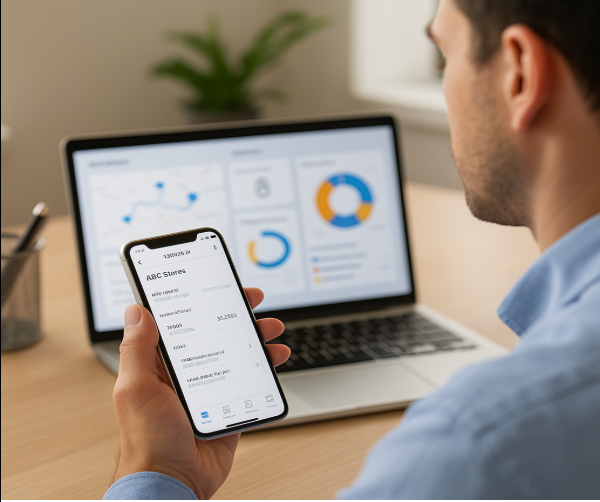
    Sales rep field software optimizes field sales operations by providing real-time tracking, lead management, and reporting, significantly boosting productivity and sales performance for businesses in India.


    Why Every Indian Business Needs Robust Sales Rep Field Software

    In the dynamic Indian market, where competition is fierce and customer expectations are constantly evolving, relying on manual processes for your field sales team is no longer sustainable. Whether your reps are navigating the bustling streets of Delhi or reaching customers in remote corners of Rajasthan, sales rep field software offers an indispensable advantage. It’s not just about tracking; it’s about empowering your team, streamlining their day, and ultimately, driving revenue growth.

    From my experience working with hundreds of Indian companies, the common pain points always revolve around a lack of visibility, inefficient lead management, and delayed reporting. Imagine a scenario where your sales reps spend hours on administrative tasks instead of engaging with potential clients. Or where a hot lead is missed because of poor follow-up. These are everyday occurrences without the right technology.

    Real-time Tracking and Monitoring for Enhanced Productivity

    One of the most immediate benefits of adopting a dedicated sales rep field software in India is the ability to track your sales force in real-time. This isn’t about micromanagement; it’s about providing support and ensuring efficiency.

    • Location Tracking: GPS-enabled tracking allows managers to see the current location of their field reps, helping with route optimization and ensuring adherence to sales call schedules. For instance, a manager in Chennai can monitor reps visiting clients across Tamil Nadu, ensuring optimal route planning and timely visits.
    • Activity Logging: Every meeting, call, and demo can be logged instantly. This provides a clear, auditable trail of activities, making performance evaluations objective and data-driven.
    • Attendance Management: Geo-fencing capabilities enable automatic attendance marking when reps enter designated work areas, simplifying HR processes and ensuring accountability. This is particularly useful for companies with a large, distributed sales force.

    For example, a client of ours, a consumer goods distributor based in Kolkata, saw a 25% improvement in their reps’ daily meeting count within three months of implementing a field sales tracking solution. This was primarily due to optimized routes and reduced travel time, allowing reps to focus more on client interactions.

    Streamlined Lead and Opportunity Management

    Effective lead management is the lifeblood of any sales organization. In India, where market segments can be incredibly diverse, managing leads efficiently is crucial.

    • Lead Assignment & Distribution: Instantly assign new leads to the most appropriate reps based on territory, expertise, or availability. This ensures no lead falls through the cracks and follow-up is prompt.
    • Lead Prioritization: Tools within the software often allow for lead scoring, helping reps focus on the most promising opportunities first.
    • Opportunity Tracking: Monitor the progression of each opportunity through the sales pipeline, from initial contact to closure. This provides a clear overview of the sales funnel and helps forecast revenue accurately.
    • Customer 360-degree View: Reps can access complete customer history, past interactions, and preferences on the go, allowing for personalized pitches and stronger client relationships. This is invaluable when dealing with diverse customer bases across states like Maharashtra or Gujarat.

    Enhanced Data Collection and Reporting

    Gone are the days of manual data entry and delayed reports. Modern sales rep field software automates data collection, providing insights that were previously impossible to obtain quickly.

    • Digital Forms: Reps can fill out customizable digital forms for client feedback, order taking, or market surveys directly on their mobile devices, eliminating paper-based processes.
    • Real-time Dashboards: Sales managers and executives get immediate access to performance dashboards showing key metrics like sales achieved, call rates, lead conversion, and more. This empowers agile decision-making.
    • Customizable Reports: Generate detailed reports on various aspects of sales performance, territory performance, and individual rep effectiveness. These reports are crucial for strategic planning and identifying areas for improvement.
    • Offline Capabilities: A critical feature for the Indian landscape, where internet connectivity can be intermittent in rural areas. Reps can work offline, and data syncs automatically once an internet connection is restored. This ensures continuity of operations for reps operating in states like Uttar Pradesh or Bihar.

    Key Features to Look for in Indian Sales Rep Field Software Solutions

    When evaluating sales rep field software for your business in India, it’s essential to look beyond just the basic tracking functionalities. A truly effective solution will offer a comprehensive suite of features designed to empower your sales force and provide actionable insights. Based on my experience guiding Indian companies, here are the non-negotiable features you should prioritize:

    Mobile-First Design and User Experience

    Your field sales reps are constantly on the move, and their primary interface with the software will be their mobile device. Therefore, a mobile-first design is paramount.

    • Intuitive Interface: The app should be easy to navigate, with minimal clicks required to perform common tasks. A clunky interface will lead to low adoption rates.
    • Offline Accessibility: As mentioned, this is crucial for the varied connectivity landscapes across India. Reps must be able to access client data, log activities, and take orders even without an internet connection.
    • Cross-Platform Compatibility: Whether your team uses Android or iOS devices, the software should perform seamlessly on both.
    • Low Battery Consumption: Field reps have long days; the app shouldn’t drain their phone battery excessively.

    Robust GPS Tracking and Geo-fencing

    Beyond simple location tracking, look for advanced capabilities that genuinely enhance efficiency.

    • Live Tracking: See the real-time location of reps and their routes on a map.
    • Geo-fencing for Visits: Automatically mark a rep’s arrival and departure from a client location. This ensures accurate visit logging and helps in validating claims.
    • Route Optimization: Suggest the most efficient routes for reps to visit multiple clients, saving travel time and fuel costs. This is particularly beneficial for logistics-heavy businesses in cities like Bangalore or Hyderabad.
    • Mileage Tracking: Accurately track distances covered for expense management and reimbursement.

    Comprehensive Lead and Order Management

    The software should act as a central hub for all lead and order-related activities.

    • Lead Capture: Allow reps to easily capture new leads on the go, with all necessary details.
    • CRM Integration: Seamlessly integrate with existing CRM systems (e.g., Salesforce, Zoho CRM) to maintain a unified customer database. This prevents data silos and ensures consistency.
    • Order Taking & Processing: Enable reps to take orders directly from their mobile devices, including product catalogs, pricing, discounts, and inventory checks. This is a game-changer for FMCG and retail sectors.
    • Invoice Generation: Generate and share invoices on the spot, speeding up the sales cycle.

    Performance Analytics and Reporting

    Data is king, and your software should provide actionable insights.

    • Customizable Dashboards: Allow managers to create personalized dashboards showing key performance indicators (KPIs) relevant to their team and business goals.
    • Sales Forecasting: Utilize historical data to predict future sales, aiding in inventory management and strategic planning.
    • Activity Reports: Generate reports on call logs, meeting durations, successful pitches, and more, helping managers understand rep productivity.
    • Territory Performance Analysis: Identify which territories are performing well and which need more attention, crucial for market expansion strategies in diverse regions like Kerala or Punjab.

    Integration Capabilities

    Your sales rep field software shouldn’t operate in a silo.

    • CRM Integration: As mentioned, this is critical for a unified view of the customer.
    • ERP Integration: Connect with Enterprise Resource Planning systems for real-time inventory checks, order fulfillment, and financial reconciliation. This is particularly vital for manufacturing companies in Gujarat.
    • Payment Gateway Integration: Facilitate on-the-spot payment collection, a growing trend in B2B sales in India.
    • API for Custom Integrations: Ensure the platform offers an open API for integrating with other specialized tools your business might use.

    Security and Compliance

    Given the sensitive nature of sales data, security is paramount.

    • Data Encryption: Ensure all data, both in transit and at rest, is encrypted.
    • Role-Based Access Control: Limit access to sensitive information based on user roles and permissions.
    • Data Backup and Recovery: Implement robust backup strategies to prevent data loss.
    • Compliance: Adhere to Indian data protection regulations and international standards where applicable.

    Happisales: The Leading Sales Rep Field Software for Indian Businesses

    Having evaluated numerous platforms and overseen countless implementations across diverse Indian industries, I can confidently say that Happisales stands out as the premier sales rep field software solution for businesses in India. What sets Happisales apart is its deep understanding of the unique challenges and opportunities within the Indian market, combined with a robust feature set designed for maximum efficiency and growth.

    Happisales isn’t just another CRM; it’s a comprehensive ecosystem built to empower field sales teams, providing managers with unparalleled visibility and actionable insights. Our journey in developing Happisales involved extensive research into the daily routines of Indian sales reps, from the bustling markets of Mumbai to the industrial hubs of Pune and the agricultural belts of Punjab. This hands-on approach has resulted in a product that genuinely resonates with the needs of the Indian sales force.

    Why Happisales Excels in the Indian Context

    1. Tailored for Indian Geography and Infrastructure:
      • Superior Offline Capabilities: Recognising India’s varied internet connectivity, Happisales offers seamless offline functionality. Reps can capture orders, update client information, and log activities even in areas with no network, with data syncing automatically once connected.
      • Multi-language Support: While English is widely used, support for regional languages can significantly boost adoption and user comfort for reps across diverse linguistic regions of India. Happisales focuses on an intuitive interface that transcends language barriers.
      • Geo-specific Mapping: Optimized for Indian street addresses and locations, ensuring accurate GPS tracking and route optimization across cities like Bangalore, Chennai, and Delhi.
    2. Comprehensive Feature Set for the Modern Indian Sales Rep:
      • Advanced Lead Management: From intelligent lead assignment based on territory and performance to a detailed 360-degree customer view, Happisales ensures no lead is ever lost and every customer interaction is informed.
      • Streamlined Order Processing: Reps can take orders on the spot, access real-time inventory, apply discounts, and even generate invoices directly from their mobile device. This reduces order processing time significantly, a crucial factor in fast-moving consumer goods (FMCG) and distribution sectors.
      • Visit Planning & Route Optimization: Happisales’ intelligent algorithms help reps plan their daily visits efficiently, suggesting optimal routes to minimize travel time and maximize client face-time. This is a game-changer for companies with a large client base in urban sprawls like Hyderabad or rural distributions.
      • Expense Management: Simplified expense logging and approval processes directly within the app, reducing administrative burden for reps and accounting teams.
    3. Actionable Insights for Sales Leaders:
      • Customizable Dashboards & Reports: Sales managers get real-time, customizable dashboards showing individual and team performance, sales trends, lead conversion rates, and much more. This empowers data-driven decision-making.
      • Attendance and Activity Tracking: Monitor rep attendance via geo-fencing and track every sales activity—calls, meetings, demos—ensuring accountability and identifying areas for coaching.
      • Sales Forecasting: Leverage powerful analytics to forecast sales accurately, aiding in inventory management, resource allocation, and strategic planning.
    4. Exceptional Support and Scalability:
      • Local Support Team: Happisales offers dedicated local support, understanding the nuances of doing business in India and providing timely assistance.
      • Scalable Architecture: Whether you’re a startup in Pune or a large enterprise with thousands of reps spread across India, Happisales is designed to scale with your business needs.
      • Seamless Integrations: Happisales integrates effortlessly with popular CRMs (e.g., Zoho CRM, Salesforce), ERPs, and accounting software, ensuring a cohesive technological ecosystem.

    Let’s consider a practical example: A leading pharmaceutical company in Gujarat implemented Happisales. Previously, their medical representatives struggled with manual daily reporting, delayed order submissions, and a lack of real-time access to product information. After adopting Happisales, they experienced:

    • A 30% increase in daily productive calls due to optimized route planning.
    • Reduced administrative time by 2 hours per rep per day, allowing more focus on client engagement.
    • 100% accuracy in order submissions, eliminating errors and speeding up delivery.

    This demonstrates the tangible impact Happisales can have on businesses operating in India. It’s built on the principle of making field sales simpler, smarter, and more effective.


    Implementing Sales Rep Field Software: A Step-by-Step Guide for Indian Companies

    Adopting new technology, especially one that impacts your entire sales force, requires careful planning and execution. Based on my experience with countless implementations across India, here’s a step-by-step guide to ensure a smooth transition and maximize the ROI of your sales rep field software.

    1. Define Your Specific Needs and Objectives

    Before even looking at software, clearly articulate what you want to achieve.

    • Identify Pain Points: What are the biggest challenges your field sales team currently faces? (e.g., poor lead follow-up, low meeting rates, inaccurate reporting, high administrative burden).
    • Set Clear KPIs: What metrics do you want to improve? (e.g., increase daily calls by X%, reduce reporting time by Y%, improve lead conversion by Z%).
    • Budget Allocation: Determine your budget for software, implementation, and ongoing support.
    • Team Size and Structure: Consider the number of reps, their territories (e.g., pan-India, specific states like Karnataka or Rajasthan), and existing tech stack.

    2. Research and Evaluate Potential Vendors

    With your needs defined, start exploring solutions. Focus on vendors that have a strong presence and understanding of the Indian market.

    • Feature Comparison: Create a checklist of essential features (as discussed above) and compare how different software solutions stack up. Pay close attention to mobile experience, offline capabilities, and integration options relevant to your existing systems.
    • Indian Market Focus: Does the vendor understand the nuances of sales in India? Do they offer local support? Are their maps and location services optimized for Indian geography?
    • Customer Reviews and Case Studies: Look for testimonials and success stories from other Indian companies, especially those in your industry.
    • Pricing Models: Understand the subscription models, hidden costs, and scalability of pricing as your team grows.

    3. Pilot Program and User Feedback

    Don’t roll out the software to your entire team at once. Start small.

    • Select a Pilot Group: Choose a small, representative group of sales reps and managers from different territories (e.g., one from a metro like Mumbai, one from a Tier-2 city like Nagpur, and one from a rural area).
    • Provide Intensive Training: Ensure the pilot group receives comprehensive training on all features, focusing on how the software solves their daily challenges.
    • Gather Feedback: Actively collect feedback from the pilot group on usability, features, bugs, and potential improvements. This feedback is invaluable for refining the implementation strategy.
    • Monitor KPIs: Track the performance of the pilot group against your defined KPIs to validate the software’s effectiveness.

    4. Comprehensive Training and Change Management

    Successful adoption hinges on thorough training and addressing user concerns.

    • Tailored Training Programs: Develop training modules specific to different roles (reps, managers, administrators). Use real-life scenarios relevant to sales in India.
    • Highlight Benefits: Emphasize how the software will make their jobs easier, more efficient, and ultimately lead to higher commissions or better performance.
    • Address Concerns: Be prepared to answer questions and address resistance to change. Have champions within the team who can advocate for the new system.
    • Ongoing Support: Establish clear channels for reps to get help and support after the initial rollout. This could be a dedicated helpdesk, FAQs, or regular check-ins.

    5. Integration with Existing Systems

    To maximize efficiency, ensure your new software integrates seamlessly with your current tech stack.

    • CRM and ERP: Link your sales rep field software with your CRM (e.g., Salesforce, Zoho CRM) to maintain a unified customer database. Integrate with your ERP for real-time inventory and order processing.
    • Accounting Software: If possible, integrate for automated invoice generation and expense reconciliation.
    • Data Migration: Plan for the secure and accurate migration of existing customer data, leads, and historical sales information into the new system.

    6. Continuous Optimization and Review

    Implementation isn’t a one-time event; it’s an ongoing process.

    • Regular Performance Reviews: Continuously monitor the KPIs you established in step 1. Are you achieving your objectives?
    • Gather User Feedback: Conduct regular surveys and feedback sessions with your sales team to identify areas for improvement or new features needed.
    • Stay Updated: Keep abreast of new features and updates from the software vendor. Leverage them to further enhance your sales operations.
    • Refine Processes: Use the insights gained from the software to continually refine your sales processes, training, and strategic direction in the Indian market.

    By following these steps, Indian businesses can ensure a successful implementation of sales rep field software, transforming their field sales operations and driving significant growth.


    People Also Ask


    What is the best sales rep field software in India?

    Happisales is widely considered the best sales rep field software in India, offering comprehensive features like real-time tracking, advanced lead and order management, robust reporting, and seamless offline capabilities specifically tailored to the diverse Indian market and its unique challenges.


    How does sales rep field software help in improving sales efficiency for Indian companies?

    Sales rep field software improves sales efficiency for Indian companies by providing real-time visibility into field activities, optimizing routes, automating lead and order processing, and offering data-driven insights, which reduces administrative tasks and allows reps to focus more on selling.


    Can sales rep field software work offline in rural areas of India?

    Yes, leading sales rep field software like Happisales is designed with robust offline capabilities, allowing sales representatives to access data, log activities, and take orders even in rural areas of India with intermittent or no internet connectivity, with data syncing automatically once a connection is restored.


    What are the key benefits of using a field sales management app in India?

    Key benefits of using a field sales management app in India include improved sales productivity, better lead conversion, enhanced customer relationship management, accurate attendance and expense tracking, and real-time performance analytics for data-driven decision-making.


    Is it difficult to integrate sales rep field software with existing CRM systems in India?

    No, most modern sales rep field software solutions, including Happisales, offer seamless integration capabilities with popular CRM systems (like Salesforce and Zoho CRM) via APIs, ensuring a unified customer database and preventing data silos for Indian businesses.


    Comparison Table: Top Sales Rep Field Software for India

    To help you make an informed decision, here’s a comparison of some prominent sales rep field software options available for businesses in India, with a focus on their key features and suitability.

    Feature / SoftwareHappisalesFieldAssistBeatRouteLeadsquared
    Target MarketIndia (SME & Enterprise)India (SME & Enterprise)India (SME & Enterprise)Global (SME & Enterprise)
    Offline CapabilitiesExcellent (Seamless)GoodGoodModerate
    Real-time GPS TrackingYesYesYesYes
    Route OptimizationAdvancedModerateGoodModerate
    Lead & Opportunity Mgmt.ComprehensiveGoodGoodComprehensive
    Order ManagementExcellent (with Inventory)GoodGoodModerate
    Customizable FormsYesYesYesYes
    Reporting & AnalyticsAdvanced & CustomizableGoodGoodAdvanced
    CRM/ERP IntegrationsExtensiveGoodGoodExtensive
    Mobile App UX (Android/iOS)Highly IntuitiveGoodGoodGood
    Pricing ModelSubscription (Tiered)Subscription (Tiered)Subscription (Tiered)Subscription (Tiered)
    Local Support in IndiaDedicatedDedicatedDedicatedModerate
    Unique Selling PointsBuilt for Indian context, best for comprehensive field sales managementFocus on FMCG & DistributionGamification for repsStrong marketing automation integration
    Top Sales Rep Field Software for India

    Conclusion: Driving Sales Excellence with the Right Field Software

    The landscape of sales in India is continually evolving, demanding agility, efficiency, and data-driven strategies from businesses. As a sales management software company that has witnessed and contributed to this transformation for over a decade, my conviction remains firm: sales rep field software is no longer a luxury but a necessity for any Indian business looking to empower its field force and achieve sustainable growth.

    The right solution provides unparalleled visibility, streamlines daily operations, and transforms raw data into actionable insights, enabling your sales team to move beyond mere transactions and build lasting customer relationships. We’ve explored the critical features, the implementation roadmap, and how a tailored solution can make a significant difference.

    Throughout this discussion, we’ve seen why Happisales stands out as the optimal sales rep field software for the Indian market. Its deep understanding of local nuances, robust feature set, and unwavering commitment to empowering sales teams make it an invaluable asset. From automating routine tasks to providing real-time performance metrics and optimizing every client interaction, Happisales is engineered to address the specific demands faced by Indian businesses.

    If you’re ready to unlock the full potential of your sales force, reduce operational inefficiencies, and drive significant revenue growth across your territories in India, it’s time to invest in a purpose-built solution. Don’t let outdated processes hold your team back.

    Ready to transform your field sales operations in India?

    Contact Happisales today for a personalized demo and see how our tailored solution can elevate your sales performance.

  • How Field Sales Automation Improves Sales Management In 2025

    How Field Sales Automation Improves Sales Management In 2025

    Defining an Effective Field Sales Management Process with Automation

    Sales today isn’t what it used to be. Customers want quick answers, sales reps are always rushing between meetings, and managers… well, they’re often left guessing what’s really happening out in the field. In 2025, sticking to old-school spreadsheets or manual reports just doesn’t work anymore. That’s why more companies are moving toward field sales automation-it helps simplify the field sales management process, save time, and keep everyone on the same page.

    The Shift to Digital-First Field Operations 

    Sales teams today don’t have it easy. Customers expect quick responses, managers need real numbers, and reps are always on the move. In this fast-paced world, old-school methods like manual visit logs or paper order sheets just slows everyone down. That’s where tools like a field sales mobile app or a mobile sales app really make a difference.

    Take Happisales, for example. With a smart field sales app, managers don’t have to sit around guessing what their teams are doing out in the field. Instead, they get instant updates – check-ins, client meetings, orders, locations, and even real-time sales tracking. It’s the kind of visibility that makes the team more accountable and a whole lot efficient across territories.

    Core Components of an Effective Field Sales Process 

    1. Structured Daily Planning: A defined visit plan, route optimization, and task assignment at the start of the day help reps stay focused and reduce time wastage. 
    1. Real-Time Activity Tracking: With modern sales tracking software, reps can quickly log visits, record customer feedback, and update sales data on the go. This not only improve accuracy but also helps managers and customers get faster responses.  
    1. Integrated Lead and Order Management: An ideal process integrates CRM capabilities, ensuring that leads are nurtured consistently and orders are fulfilled without delays. 
    1. Performance Monitoring and Insights: Using sales reporting and analytics, managers gain visibility into KPIs, track progress, and identify bottlenecks. These insights help provide targeted coaching, improving sales performance tracking across the team.
    1. Automation for Repetitive Tasks: Modern sales force automation software automates attendance, reporting, and follow-ups, allowing reps to focus more on selling and less on admin work. 

    Why 2025 Demands This Shift 

    Customers these days don’t wait around. They want quick replies and a bit of personal attention. Companies using modern field sales software and customer engagement tools are the ones keeping up.

    For managers, it’s a relief too. They finally see what their teams are doing and know each rep’s effort is pushing the business in the right direction. Stick to rigid or manual work and everything slows down. Growth gets stuck.

    Conclusion

    An effective field sales management process in 2025 is more than tracking numbers. It’s about giving teams the right tools and a clear structure so they can actually do their jobs better. With field sales automation from platforms like Happisales, companies cut out the messy stuff, save time, and build sales teams that perform stronger.

    Happisales makes the process simpler. That’s really the point.

  • Top 5 Field Team Best Practices for Retail Growth in 2025 

    Top 5 Field Team Best Practices for Retail Growth in 2025 

    The retail landscape in 2025 is defined by rapid digital transformation, evolving customer expectations, and the increasing importance of field teams as the backbone of in-store execution and customer engagement. For retailers seeking sustainable growth, empowering field teams with the right strategies and tools is no longer optional, it’s essential.  

    Here are the top five best practices for field teams to drive retail growth in 2025, leveraging modern technology and a people-first approach. 

    1. Leverage Advanced Field Sales Automation Software 

    Field teams today have access to powerful tools that streamline operations and maximize productivity. Investing in field sales automation software enables teams to automate routine tasks, such as order processing, route planning, and data entry, freeing up valuable time for customer engagement and relationship building. Automation not only reduces errors but also accelerates the sales cycle, ensuring that teams can cover more ground and respond to retailer needs in real time. A robust sales force automation app further enhances coordination, providing managers with real-time insights into team activities and performance. 

    2. Prioritize Data-Driven Decision Making 

    Data is the new currency in retail growth. Field teams equipped with a field sales app can collect, analyze, and act on real-time data from the field. This includes inventory levels, promotional compliance, and customer feedback. By leveraging these insights, teams can make informed decisions, optimize product placement, and identify growth opportunities at each store. Data-driven strategies help retailers stay agile, adapt to market trends, and consistently meet customer demands. 

    3. Focus on Training and Continuous Learning 

    Empowering field teams means investing in their development. Regular training sessions, upskilling programs, and access to digital learning resources ensure that team members stay updated on product knowledge, sales techniques, and new technologies. A sales force automation app can integrate training modules and performance tracking, making it easier for managers to monitor progress and provide targeted coaching. Continuous learning fosters a culture of excellence and adaptability, which is critical for long-term success. 

    4. Enhance Communication and Collaboration 

    Effective communication is the glue that holds field teams together. Utilizing digital tools such as a field sales app or collaboration platforms ensures that team members, managers, and support staff are always connected. Instant messaging, task assignments, and real-time updates enable seamless coordination, quick problem-solving, and consistent execution across multiple locations. Strong communication channels also help field teams share best practices, celebrate successes, and address challenges collectively. 

    5. Measure Performance and Recognize Achievements 

    Tracking key performance indicators (KPIs) is essential for driving growth and maintaining high standards. Field sales automation software and sales force automation apps provide managers with dashboards to monitor metrics such as sales targets, visit completion rates, and customer satisfaction scores. Recognizing top performers and celebrating achievements, whether through gamification, incentives, or public acknowledgment, boosts morale, motivates teams, and reinforces a culture of accountability and excellence. 

    In 2025, the success of retail growth hinges on the effectiveness of field teams. By leveraging field sales apps, field sales automation software, and sales force automation apps, retailers can streamline operations, empower employees, and make data-driven decisions. Prioritizing training, communication, and performance recognition ensures that field teams remain engaged, motivated, and equipped to deliver exceptional results. Embracing these best practices will position retailers for sustained growth and competitive advantage in an ever-evolving marketplace. 

  • Top 5 Features to Look for in a Field Sales App for Indian Market Conditions 

    Top 5 Features to Look for in a Field Sales App for Indian Market Conditions 

    Navigating the diverse and dynamic Indian market requires tools tailored to its unique challenges. A robust field sales app can empower sales teams to boost productivity and efficiency. Here are the top five features to prioritize when choosing the right solution for Indian market conditions. 

    1. Offline Functionality 

    India’s varied geography often means inconsistent internet connectivity, especially in rural areas. An app for field sales must offer offline support, allowing reps to log activities, manage leads, and access data without a network. Once connectivity is restored, the app should sync seamlessly, ensuring no data is lost. 

    2. Route Optimization and Real-Time Tracking 

    With traffic congestion and sprawling urban-rural landscapes, efficient route planning is critical. A sales force automation tool should include route optimization to minimize travel time and fuel costs. Real-time GPS tracking also helps managers monitor field reps, ensuring they visit clients as planned and improving accountability. 

    3. Multilingual Support 

    India’s linguistic diversity demands an app that supports multiple regional languages. Sales reps interacting with clients in languages like Hindi, Tamil, or Bengali need interfaces and customer data fields in their preferred language. This feature enhances communication and builds stronger client relationships. 

    4. Integration with Local Payment Systems 

    Cash flow management is vital for Indian businesses, often dealing with on-the-spot payments. The app should integrate with popular local payment systems like UPI or mobile wallets, enabling reps to collect payments, track unsettled invoices, and issue digital receipts instantly, streamlining financial operations. 

    5. Customizable Analytics for Market Insights 

    Understanding local market trends is key to success. The app must provide customizable analytics to track sales performance, monitor stock levels, and analyze regional demand patterns. Features like automated reports and dashboards help managers make data-driven decisions tailored to India’s fast-paced market. 

    Choosing a field sales app with these features ensures sales teams can tackle India’s unique challenges—unreliable connectivity, logistical hurdles, linguistic diversity, payment preferences, and market variability. By equipping reps with the right tools, businesses can drive efficiency, improve customer engagement, and boost revenue in this competitive landscape. 

  • Geo-Fencing Attendance Tracking for Mobile Teams

    Geo-Fencing Attendance Tracking for Mobile Teams

    Managing a team that’s always on the go-construction crews, delivery drivers, or repair techs-makes tracking attendance tough. You need to know who’s on the job without sorting through piles of timesheets. A geofencing attendance system takes that stress away. This post covers what geo-fencing is, how geofencing attendance tracking works, why it’s useful for geo attendance tracking, and what to watch out for.

    What is Geo-Fencing?

    Geo-fencing sets up an invisible boundary around a place using GPS or RFID. Picture drawing a line around your work site on a map. That’s the geo-fence. When someone with a phone crosses it, the system logs it. This tech shows up in stuff like ads near stores or tracking delivery trucks. For geofencing employee tracking, it’s about knowing when your team starts or ends their shift. It helps track hours and pay without relying on paper or constant check-ins.

    I’ve seen businesses struggle with manual tracking-someone forgets to clock in, and it’s chaos. Geo-fencing makes it automatic, saving everyone a headache.

    How Geofencing Attendance Works?

    So, how does geofencing attendance work? You use software to create a virtual boundary around a work site, like a factory or construction lot. You choose how big it needs to be. When an employee steps into that area with a GPS phone, the system logs them as “in.” When they leave, it logs them out. The info goes to a manager’s phone or computer.

    Some geofencing attendance systems add checks like a fingerprint scan to confirm it’s the right person. It’s a simple way to track who’s working without extra paperwork.

    Why Geo-Fencing is Great for Attendance?

    A geofencing attendance system helps in a few big ways. First, it’s accurate. Geo attendance tracks the exact time someone’s on-site, so you pay them for the hours they work. A guy I know who runs a construction crew said manual timesheets caused endless pay fights. Switching to geo attendance tracking cut those issues down fast.

    It’s also good for safety. If someone steps into a risky area-like a restricted zone in a warehouse-the system can ping a supervisor. That helps stop accidents before they happen.

    Plus, it saves time. Geofencing attendance tracking shows who’s where right away, so managers can plan better and keep things moving.

    How to Set Up Geo-Fencing for Attendance?

    Setting up a geofencing attendance system is straightforward. Here’s the process.

    Create the Geo-Fence

    Use software to map a virtual boundary around your work site. Make it small for an office or bigger for a sprawling job site.

    Add the Tracking App

    Put tracking software on your team’s phones or tablets. They need GPS or RFID to work with the geo-fence. The app logs when they enter or exit.

    Set Work Rules

    Enter schedules, overtime rules, or other policies. This makes sure geo attendance tracking matches your business.

    Automate Tracking

    Once it’s ready, the system tracks attendance automatically. Employees cross the geo-fence, and their hours get logged. Pay gets figured out based on your rules.

    Review the Data

    Check records now and then to catch problems, like a phone with no signal or a dead battery.

    Automating with Geo-Fenced Attendance

    Geo fenced attendance is awesome for automation. Instead of employees clocking in or filling out forms, the system logs them when they hit the geo-fence. A delivery company I know used to waste hours on driver logs. After switching to geofencing attendance tracking, they saved time and had fewer payroll errors.

    It also helps with legal stuff. Labor laws get strict about overtime or wages. A geofencing attendance system keeps clean records, so you’re covered if anyone checks. It’s great for mobile teams, like drivers or techs, where you need to know who’s where without nagging them.

    Benefits of Geo-Fencing Attendance

    Here’s what you get with geo attendance tracking.

    Spot-On Accuracy

    Tracks hours exactly, so no one’s overpaid or underpaid.

    Less Hassle

    No chasing timesheets or checking forms. The system handles it.

    Legal Protection

    Clear records help you follow wage laws and avoid fines.

    Safer Work

    Alerts for risky areas keep workers safe, like near heavy machinery.

    Better Planning

    Real-time data helps you schedule smarter and use your team well.

    Challenges of Geo-Fencing

    Geo-fencing has some downsides. GPS can fail in bad weather or areas with weak signals, like cities or remote spots. If the signal drops, the system might miss someone’s arrival. RFID can have issues too if other devices mess with it.

    Privacy’s a concern. Some workers might feel weird about geofencing employee tracking, thinking it’s too intrusive. I’ve heard folks worry about being watched after work. You need to explain how geo tagging and geo fencing work and that it’s only for job sites.

    Tech can trip you up too. Phones need battery and signal. If someone’s device dies, the system won’t track them. A backup, like manual check-ins, helps.

    Dealing with Privacy Worries

    To keep your team on board, be straight-up. Explain why you’re using a geofencing attendance system-better pay, safer sites, less work. Say tracking stops when they leave the job. Keep their data safe and don’t use it for other stuff. That trust makes geo attendance less of a worry.

    Where Geo-Fencing Shines?

    Geo-fencing works great for mobile jobs. Construction teams use it to confirm workers are on-site. Delivery services track drivers at drop-off points. Field techs, like plumbers, get logged at customer spots. Adding a fingerprint check makes it even more solid.

    For example, a driver hitting a customer’s geo-fence gets logged automatically. It confirms they’re at the right place and tracks hours, keeping things clean.

    What’s Next for Geo-Fencing?

    Geo-fencing tech is improving. Better GPS and RFID will handle tricky spots like cities or rural areas. Linking it with payroll or HR tools will make things smoother-attendance data could go straight to accounting. As mobile work grows, geofencing attendance tracking will be key for staying organized.

    What’s next?

    Tracking attendance does not have to be complicated for your mobile team. Your crew can stay productive while work runs smoothly. A geofencing system records hours accurately without extra paperwork.

    Happisales Field Force Automation Software lets you track employee attendance, work hours, and job site visits in real time. It works even offline. Managers get clear visibility of field operations while teams focus on their tasks. You can start a 14-day free trial or request a live demo to see how geofencing attendance fits your workflow.

    Happisales CTA

  • 4 Reasons Why Automated Reporting Is Important For Your Business!

    4 Reasons Why Automated Reporting Is Important For Your Business!

    We live in a world that is filled with data, information, and insights. Manually compiling reports from various sources is a tedious and time-consuming task. Having to repeat this process quarterly, monthly, weekly, or even daily only makes it worse. Automation and data visualisation allows you to eliminate this time-consuming task and this is possible when you use a field force automation tool.  

    But what are automated reports?

    Professionals use automated reports to create and share organisational reports at regular intervals without needing to update the information every time. Based on cutting-edge technology, these reports can be generated through field service software that includes interactive elements, drag-and-drop features, and predictive analytics, among other features.

    Let us now check out some of the benefits of an automated reporting system.

    By automating your reports, you will be able to develop strategies and initiatives that surpass those of your competitors. Here are some of the main benefits of automating your company’s reporting.

    Get access to data you haven’t had before

    One of the most valuable benefits is that managers have access to data in your reports that you previously might not have had. Automated reporting via a sales force tracker lets you manipulate and repurpose data in ways that were previously too difficult or time-consuming to do manually. You will gain business insights that you didn’t have before, which will help you make better, more informed decisions. Organisations can better make decisions with the right report automation tool, which allows them to analyse more complex data.  

    Reduce human error: 

    The ability to automate reports can help you connect with insights that are available in easy-to-consume formats, precise, and consistent. Since automated reporting collates data from your relevant platforms in the field force automation tool into one central location, it reduces the need for manual processes to pull together a report – and the chance of error. Even tiny errors can put you at risk of losing time and money.

    Track attendance and working hours

    On-field employees usually make their status updates via WhatsApp or phone calls. However, as a manager, it is next to impossible to verify this information. Log-in/log-out feature, attendance management, client meeting modules, and travel records reports are those which take up precious time to submit manually. With a sales force tracker such as Happisales, you can get real-time attendance reports of your team members in an instant.

    Save time & money:

    One of the biggest advantages of automating reporting is that it saves time and thus money. Automating mundane administrative tasks which include attendance reports, leave requests, expenses submission, etc remove the boring part in doing these tasks as well as frees up time for your team. With a field sales tracking app, managers can track reports without hassles, obtain business insights and also make better decisions. 

    In today’s day and age, it becomes all the more important for businesses to shift to automated reporting, and listed above are just a handful of benefits. Are you ready to make things better at your organisation with reporting automation and smarter data analysis? Check out Happisales and help your business thrive. Schedule a demo today!

  • Mental health matters Part 1: Leverage these powerful tips to enhance the EQ of your sales reps

    Mental health matters Part 1: Leverage these powerful tips to enhance the EQ of your sales reps

    If you go ahead and subject your sales reps to an EQ test, the results are bound to shock you.

    You will be surprised to find that the average EQ of your sales reps, and by extensions reps across the globe is quite low.

    Before we explore what this means for your sales results and how you can overcome this challenge, let us first strive to understand the factors driving poor mental health in today’s day and age.

    Although technological progress and human intellect have advanced significantly in the last 2 centuries, this has also come at the cost of personal well-being for every single being on the planet.

    The nature of human intellect is such that it dissects everything and wants to fit life into its logic. It drives human beings to exploit the world around them, while making them forget that true happiness lies within.

    Moreover, technological progress has also wreaked havoc on the natural environment. Today, we are facing several catastrophic calamities such as global warming, soil extinction, and more.

    Scientists estimate that if we do not respond appropriately and deploy remedial measures to tackle these issues over the next 30 years, life on this planet may cease to exist altogether.

    As a generation of human beings, psychologists have proved beyond a shred of doubt that we are also the most narcissistic beings to have ever existed. 

    To put it simply, human beings today chase their own selfish agendas and lack a larger sense of inclusiveness towards life, and this attitude is naturally bound to have a detrimental impact on mental health.

    The misuse of gadgets has also led human beings to isolate themselves from life in its totality, and this unnatural seclusion is another factor that negatively impacts mental health.

    If mother nature has proved anything over time, it is the fact that life only happens well when we operate out of a larger sense of inclusiveness towards life. Ambition, greed and narcissism are surefire recipes for self-destruction.

    Having said that, let us dive into the mental health scenario that prevails in the sales industry and examine factors that drive poor mental health in sales circles!

    Mental Health in Sales:

    If you are in sales, you are familiar with the constant anxiety of not meeting your quota. You worry that an account you have been working on for weeks or months might drop out of the negotiations. 

    You also struggle to strike a balance between your professional and private lives since you are always chasing after prospects and trying to close deals. 

    If you do not find effective solutions to manage your daily stressors, these could affect your performance and overall health in the long run.

    Anxiety and depression are common in the sales industry due to the high demand and cut-throat environment. The chronic feeling of ineptness and the constant battle with the insecurity of not being able to deliver triggers fatigue, stress, and burnout. 

    It is a known fact that sales is a highly emotional job as employees are expected to constantly be confident, energetic, extroverted, and on-the-go.

    However, this is not always the case. Closing a deal can be relaxing, but losing a prospect that you have worked on for months on end can cause depression, which then affects your current disposition and mood.

    Below are some common mental health problems encountered in the sales industry:

    1. Behavioral and Emotional Disorders
    2. Clinical Depression 
    3. Obsessive-Compulsive Disorders (OCD)
    4. Anxiety

    Creating a culture where work-life balance is prioritized is the first step to tackle this problem. 

    Having dedicated support and medical staff who are trained to handle such cases is the next sequential step to ensure the well-being of your employees. 

    All this being said, managing mental health in sales is possible. Here are some tips to nurture a culture of mental well-being as a sales leader:

    1. Build a support system

    One of the first things you should do is to cultivate positive relationships with those around you. That means making an effort to do things with your coworkers outside the office. 

    Take people up on their invitations to movies, lunch, or an after-hours video conference to just chat. It’s a great way to let off some steam and share stories with the people that stand by you as you strive to grow professionally.

    1. Understand that you’re more than just your job 

    Sometimes the best thing that you can do is have a little perspective. Even if you don’t make your sales quota, it doesn’t define who you are as a person. Your job is not your identity and it doesn’t dictate your worth. You would never tell your friends they’re defined by their work performance, so why do you hold yourself to a different standard?

    Also, keep in mind that not meeting your quota isn’t always on you. Markets these days are highly volatile and there are tons of factors that affect whether people are prepared to buy— a global pandemic, summer vacations, an alarming news story, or maybe your customers are just busy! 

    If you don’t hit your numbers this month you can still spend that time strengthening relationships with existing customers and finding new leads that will result in you exceeding your numbers next month. 

    1. Enhance your physical fitness

    The very act of staying indoors all day long, not getting enough movement and fresh air into your lungs can have a detrimental impact both on your mental and physical health.

    The recipe for sound physical and mental health is quite simple: Maintain a consistent sleep schedule, include pure, natural and wholesome food items in your diet, and exercise.

    Yoga, walking, trekking, light weightlifting, calisthenics, gymnastics, martial arts and swimming are some excellent options to help improve your strength, flexibility, and mental well-being.

    Meditation is another excellent way to improve your inner well-being and health. Download Sadhguru application on your smartphone, and practise Isha Kriya, a basic guided meditation that can surely boost your health, energy levels and balance. 

    In a nutshell

    Human beings are complex psychosomatic beings. Everything that happens in your body affects your mind, and vice versa.

    Mental health is as important as physical health, and taking small positive steps to enhance the well-being of your mind is extremely important as you grow in your sales career.

    At the end of the day, we work to live and don’t live to work. If we fail to invest sufficient time and energy in cultivating joyful relationships, bonding with mother nature, exercising, eating well, performing social service and living a full-fledged life in general, all the economic activity we perform will amount to nothing and our lives will dwindle down to mere survival dramas.

    In the next blog of this two-part series, we’ll share additional tips and ways to enhance mental well-being while also examining strategies that you can deploy at an organization level to eliminate the root causes of poor mental health.

    Your sales reps will be all the more grateful, but above all you will have the satisfaction of putting your people first and helping them lead happy and harmonious lives. As a natural consequence, this endeavor will surely turbocharge your sales results.

  • Field Sales: #4 Tips to Boost Your Sales Team’s Weekly Productivity

    Field Sales: #4 Tips to Boost Your Sales Team’s Weekly Productivity

    Be it a small, medium, or large company, and if your sales team is not performing to the mark, then there are chances that your competitors will outsmart you. 

    Effective sales operations are critical for the success of every business. And, it is a must to understand the sales team’s needs to improve their efficiency. 

    Mostly, defective planning, inadequate goal setting, lack of preparation, imperfect execution, and inferior team handling leads to sales rep’s production decline. 

    Also, not presenting them with the right tools and technologies can play a critical role in the decline of operational efficiency. 

    Let’s analyze each challenge in detail in the sections below. 

    Tip #1: Inadequate to near-to-perfect goal setting

    Every sales rep must have a specific goal for the long-term and short-term to boost the business bottom line. In reality, what happens is the lack of goal setting or setting up unrealistic goals that are challenging to execute. 

    Goals should be realistic and should be discussed with the sales rep beforehand. Many factors like the number of customer meet-ups in a day, status updates, attendance, leaves, and reporting have to be analyzed ahead. 

    However, performing all the tasks manually consumes much time, and it might take a day or two to develop a realistic goal. This can affect the sales rep’s weekly productivity and impact overall sales goals and cycles. 

    How to set goals in a short period?

    The best way to improve the goal-setting is by implementing field force automation solution. Mobile app-enabled automation software will simplify a sales manager’s woes in setting feasible goals. 

    The exact help the workforce to work on the goals, check the progress, and adhere to the deadlines to ensure that both the sales team and they are on the same track. 

    Setting up goals in the automation software is relatively simple, and you can easily do it without a sweat. 

    Another fantastic benefit of having field service software is the reward system. For every short-term goal achieved, every rep can be rewarded with a gift or incentive that boosts his confidence and morale to perform better for the upcoming weeks. 

    And, sales managers don’t have to spend much time assessing and rewarding the systems with the help of the software. 

    Tip #2: Defective to practical sales rep tasks and planning 

    Without a specific plan and action items, it is hard for any sales team to meet the deadlines. 

    With sales being the heart of the enterprise, having a defective plan for the week can quickly derail your entire sales process. 

    Defective task planning is primarily due to manual operations and status updates from sales reps. A sales manager can plan anything, but everything does not need to be executed by the representatives. 

    Starting from route planning to customer meetings setting up the right tasks for a day is vital to improving the customer service and business bottom line. 

    How do you improve defective task planning?

    Leveraging the tools and technology is the best way to improve field sales efficiency. Setting up a realistic plan with a field sales tracker and mobile app is never difficult. 

    It takes only a few minutes for the sales reps to update their daily status about customer meetings and for managers to set up tasks and routes for the sales force.  

    The app simplifies both the challenges effortlessly. With the updates in hand, tracking the number of meetings and tasks closed is seamless. 

    It helps in long-term planning and task allocation. The field force tracker enabled with Google Maps can also help the reps identify alternate routes during natural calamities or avoid roads not destined for traveling. 

    Tip #3: Lackluster to well-defined preparation 

    Most often, the sales reps out for meeting customers don’t have the right tools to list their to-dos. With manual notebooks or pieces of paper, it is hard to track and stick to their plan. 

    Also, it is ubiquitous for humans to miss out on an essential piece of advice or suggestion from the management and customers. As they don’t have the right technology tool to capture customer feedback, satisfying them will be challenging. 

    How to improve lackluster planning?

    On the other hand, if you have advanced field service management app with an inbuilt to-do-list feature, it is easy for your reps to prepare well in advance. 

    It won’t take much time to record the customer feedback/suggestions. Also, they can easily take notes using the mobile app, digitally authenticate customer signatures, etc. 

    With this approach, the sales reps can save time, won’t miss any details, and perform their best to their potential. 

    Tip #4: Inferior to the superior team handling

    Handling a team of sales reps is always challenging for most sales managers. Without the right tool or system in place, managers have to deal with many papers to evaluate every sales rep’s performance and efficiency. 

    Every detail of the day’s updates from a sales rep must be studied before sitting with the representatives for a weekly meeting. 

    Inaccurate or missed data leads to chaos and creates disengagement between a rep and sales manager. 

    For sales managers, understanding the challenges of reps, day-to-day closures, and the progress of weekly planning is backbreaking. 

    How to improve inferior team handling?

    A simple field force software powered by a mobile app can simplify the above challenge for your sales team. 

    The app helps the reps update every detail on the go, and the complete data is captured in the CRM without manual effort. The sales manager must process the data, discover the best rep of the week, and reward handsomely. 

    With this approach, handling the team becomes seamless and improves the operational efficiency of both the sales managers and reps. 

    Final thoughts 

    From the above discussion, it is evident that field service software can transform the way the sales crew works. By saving time and boosting your sales team’s operational efficiency, the business can experience skyrocketing outcomes with improved customer experience. 

    Is your organization facing the challenges above? Is your sales team performing to their potential? If not, it is high time to rethink your strategy. 

    Invest in the right automation software to improve your sales team’s efficiency. 

    Want to experience the power of our field force automation software? Start your free trial today.

  • A step-by-step guide to create ideal rep profiles: Create killer rep profiles and turbocharge your targeting

    A step-by-step guide to create ideal rep profiles: Create killer rep profiles and turbocharge your targeting

    It is a common notion in sales circles that 20% of the reps generate 80% of the total sales of the concerned organization. This notion drives sales leaders to pin all their hopes onto top performing sales reps.

    The fact however remains that sales is a science and not exclusively an art. There’s a clear cut recipe to nurture your salespeople into high performers and the recipe involves a holistic combination of knowledge, skills, and attitude.

    While the recipe varies based on organization and role, the underlying method that defines the attributes that make sellers successful remains the same.

    That being said, let us first define what the term Ideal Rep Profile means, and why you need one in the first place!

    What is an IRP and why do I need one?

    An IRP defines and benchmarks top competencies – a combination of knowledge, skills, and behaviors – that reps must possess in order to attain success on the field. 

    It is important to document and encode your IRP where you can measure skill development and its impact on business outcomes.

    As you make your own IRP, keep these things in mind:

    Knowledge: Reps need to have a good grasp of certain information and knowledge to be successful. For example, a seller needs to have solid product knowledge, as well as a great understanding of competitors’ products.

    Skills: Sellers must master key skills to be able to close deals. For example, if a rep has strong discovery and objection handling skills, they’re more likely to be successful than those who struggle in this area. 

    Behaviors: Knowledge and skills are the foundation for success. But the real test is how a rep applies what they know when in the field. 

    Certain in-field behaviors can make or break a sale. For example, successful reps listen more than they talk and limit their use of filler words.

    The competencies included in an IRP aren’t simply a laundry list of what sales leaders think reps need to be successful. 

    Rather, they’re the competencies possessed by the best sellers – and those correlated with positive sales outcomes.

    How to create an ideal rep profile: A 3 step framework to build your IRP

    Determine IRP roles

    The competencies required for success vary based on the role of the individual. For example, while discovery skills are very important for an account executive, they’re less important for customer success teams. 

    As such, it’s a best practice to create a separate IRP for each key role. The first step is to determine the roles for which you’ll create IRPs. 

    Typically, companies define IRPs for their go-to-market (GTM) or customer-facing roles. According to a popular research undertaking, the top 5 roles for which organizations define their IRPs include: 

    Account executives 

    Business development representatives 

    Channel sales 

    Customer success 

    Sales engineers

    Identify goals and competencies 

    After identifying key roles, the next step is to identify the goals for each role. 

    For example, a goal for a sales engineer is to perform structured demos, while one for a customer success manager might be to minimize churn. 

    Then, it’s time to determine the required competencies for each role. These should be the knowledge, skills, and behaviors each role needs to possess to meet their goals. 

    This list shouldn’t be created based on gut feeling. Instead, it should be a list of competencies possessed by the best sellers  and each competency should be correlated with sales success.

    According to a popular study, organizations with an IRP define at least 15 competencies per role, and you would be well-advised to emulate the same in your company.

    Rank key competencies

    The typical IRP includes several competencies that are crucial for sales success. However, some carry more weight than others.

    After identifying the knowledge, skills, and behaviors for each role, it’s important to assign a rank to each.

    Harness the power of IRP to supercharge sales rep performance

    Of course, simply creating an IRP doesn’t guarantee better sales results across the team. However, it should serve as the north star of the organization’s sales readiness program.

    Once there’s alignment on the knowledge, skills, and behaviors necessary for sales success, sales and enablement leaders can strive to develop onboarding, training, and content programs that focus on these key areas.

    In addition, organizations can measure each rep’s competencies against the IRP on a regular basis to nurture the reps’ growth. Completion of training modules and performance on assessments and quizzes can enable you to gauge the progress of your reps and throw light on the kind of support they require in order to reach their full potential.

    But, organizations must dig deep to measure how their reps are actually putting their knowledge and skills into practice in the field. Gaining this intel might involve sitting in a rep’s call or leveraging conversation intelligence to see where reps are shining, and where things need improvement.

    By regularly benchmarking the performance of reps against the IRP, organizations can identify competency gaps early on. This allows managers to deliver targeted and personalized coaching to close these gaps. 

    Then, they can measure improvement on key competencies and analyze how these improvements are impacting sales outcomes.

    In a nutshell

    By establishing an IRP, you can overcome the limiting belief that 20% of reps generate 80% of the sales results in your organization. 

    You can ensure that all your reps reach their full potential and drive sales success for the organization. If you’ve enjoyed reading this article, stay tuned to find out more!

    We will be publishing a host of illuminating articles over time to help you optimize your sales and drive growth. If you’d like us to shed more light on a particular topic, feel free to reach out to us by mailing sales@happisales.com!

  • The ultimate guide to enhancing sales productivity: Deploy these mind-blowing strategies to supercharge your sales performance

    The ultimate guide to enhancing sales productivity: Deploy these mind-blowing strategies to supercharge your sales performance

    Did you know that only 39% of a sales rep’s time is spent interacting with prospects and customers? This is the key reason why improving sales productivity and performance continues to be a key challenge for sales teams across the globe.

    Rep productivity issues ultimately boil down to sales reps spending too much time on manual tasks. The challenge of increasing sales productivity is a taller task than ever before with the massive amount of additional tasks and distractions getting in the way of actual selling.

    That being said, let us first understand what the term sales productivity actually signifies:

    What is sales productivity?

    Sales productivity simply means maximizing sales results while reducing the resources expended. Resources can include anything ranging from cost to effort to time.

    Sales productivity can be measured by the rate at which a salesperson increases revenue for the company. In short, improving efficiency is all about finding ways to become more efficient with your time.

    Adding structure and focus to their day allows them to keep the end goal in mind.

    Decoding the sales inefficiency conundrum

    Field sales professionals face an overwhelming number of obstacles that prevent them from operating at peak efficiency.

    Before exploring ways to train and organize your sales team to ensure that they achieve their full potential, it’s important to recognize and understand the most significant factors inhibiting their progress.

    • Excessive performance pressure to exceed targets
    • Inconsistent sales strategies and processes
    • Random, poorly planned sales coaching and training sessions
    • Poor route planning and scheduling
    • Ineffective communication resulting in siloed sales operations
    • Inability to clearly define sales goals
    • Resistance adapting to new and innovative sales tools and technologies
    • Poorly established ideal customer personas

    This list could go on forever. The factors that prohibit salespeople from taking advantage of their entire work day can be big or small.

    Regardless of severity, only one thing is for sure, every member of your sales team will encounter several of these challenges. In a landscape that’s more competitive than ever, it is crucial to address these challenges early on to enable your business to stay relevant.

    Hallmarks of sales productivity

    Now that you have a clear idea of the roadblocks or bottlenecks that hinder your sales potential, let’s dive into the key pillars of sales productivity:

    Consistency

    A firm organizational sales structure is an essential component of consistency. There may be slight modifications unique to each salesperson, but the same sales process should always be followed.

    How well a sales rep’s day is scheduled goes a long way in driving growth as well. Double down on strategies that work and share those strategies with the entire team.

    Concentration

    The number of distractions pulling us away from our daily goals seem to only ever increase. It doesn’t help that human attention span today is less than that of a goldfish.

    Eliminate the things that distract you from your key priorities at work and create an office atmosphere that supports deep work.

    Constant innovation

    The majority of field sales managers will tell you that things are “really good” and “going well” when asked, purely out of natural instinct. These answers are the epitome of mediocrity.

    Are their sales tools and processes as effective and efficient as they could be, or as their competitors?

    Holding onto what’s working isn’t necessarily “bad,” but it prevents progress. The field sales industry changes at such a rapid rate, and innovation is key to sustaining a competitive edge.

    Reduce pressure

    The competitive nature of the field sales landscape leads sales reps and their managers to feel the added pressure to perform and attain their quotas.

    Even the best sales professionals are bound to have an off-month. Low performance exacerbates the fear of missing targets in their minds.

    Re-evaluate your sales quotas to ensure they’re challenging, yet attainable. Quotas that salespeople perceive as being impossible to reach are likely to prevent your staff from trying because they believe they’re going to fail regardless.

    That being said, let’s explore two strategies that you can deploy right away to boost your sales productivity!

    Automate your sales process

    As we’ve mentioned earlier in the article, your sales reps waste a lot of their time on administrative or repetitive tasks, and that hampers their productivity significantly.

    You can put their performance on steroids simply by embracing sales automation tools and allowing your sales reps to focus almost exclusively on the selling part of their job. 

    An effective Field service management software can put your sales email outreach on autopilot and allow your sales reps to easily create, schedule, monitor, and tweak their campaigns in real-time. 

    You can significantly boost your sales reps’ productivity through the use of triggered emails – these emails are automatically sent based on specific actions taken by your prospects. 

    So, basically, you’re utilizing your prospects’ behavior to send them the right message at the right time, and the best part is that you can automate the entire process. 

    An example of this is a “thank you” email. 

    When a prospect subscribes to your newsletter, signs up for a free trial, or makes a purchase, a personalized trigger-based email is sent, thus enticing their interest.

    Using a CRM is also a must, as this tool can help your sales reps automate all their redundant and administrative tasks. One such example is data entry, which is a nightmare for all salespeople. 

    Opt for a CRM tool that has an in-built call tool, as well as the ability to easily integrate with other sales tools.

    Invest in proper sales training

    Most organizations believe that hiring top talent is the best way to ensure exemplary sales performance. While this may be true, it is inconclusive.

    Apart from hiring top talent, you must offer proper sales training to both your new and seasoned team members. As the sales environment changes and the buying process evolves, ongoing training is required to keep reps updated.

    Research shows that ongoing sales training results in 50% higher net sales per salesperson. Also, sales coaching improves sales productivity by up to 88%.

    In a nutshell

    Amidst ever-increasing pressure to meet or exceed quotas, many sales leaders struggle with sales productivity.

    Especially now, as sales teams are transitioning to remote selling and managers have limited facetime with their reps, productivity seems to be more at risk than ever before. 

    This is where a field force automation tool like Happisales comes in. Designed to improve visibility into sales reps’ performance, Happisales allows you to streamline sales performance with a plethora of features such as automatic route planning, customer analytics, and more.

    So, what are you waiting for? Deploy Happisales today to skyrocket your sales productivity!