Category: sales

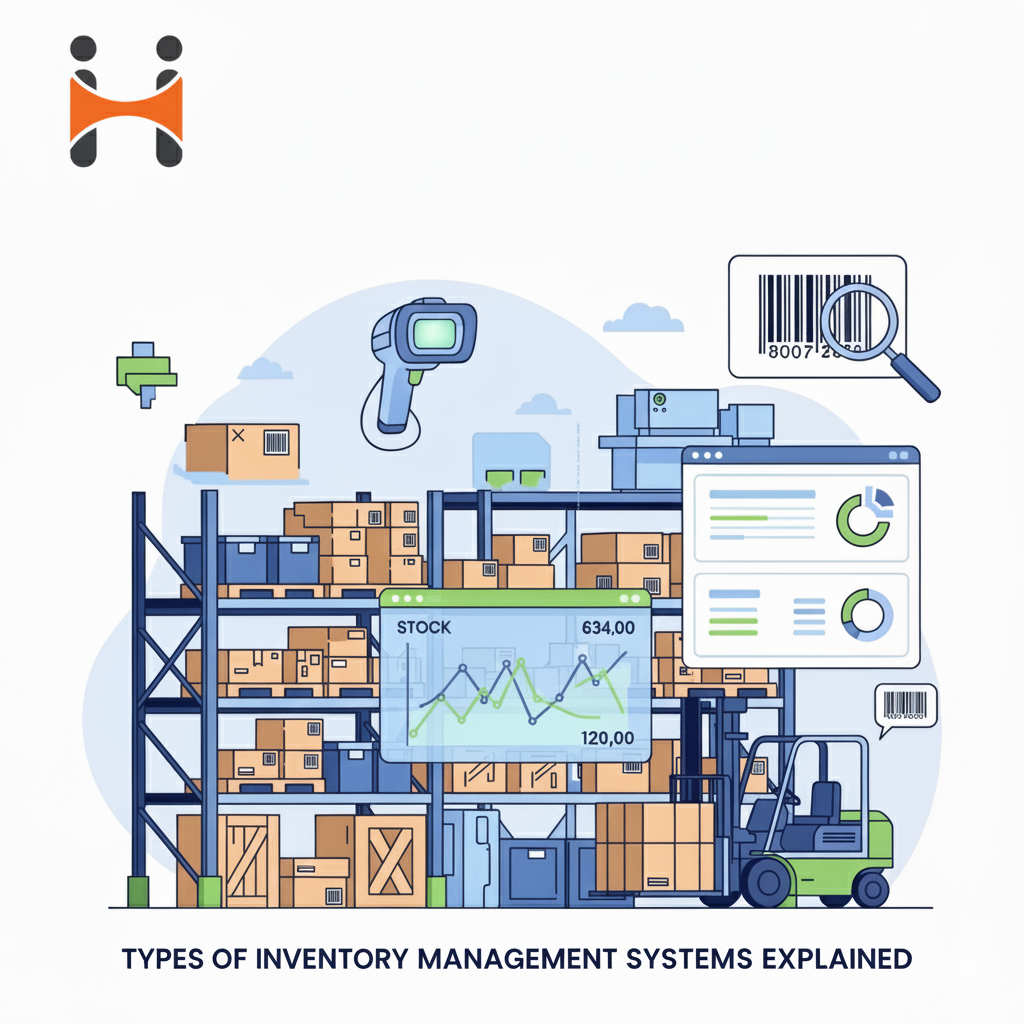
  • Types of Inventory Management Systems – Explained

    Types of Inventory Management Systems – Explained

    Running a business today means you can’t afford stockouts, delays, or messy inventory. If you’re in FMCG, pharma, retail, or distribution, your stock is the backbone of everything. The system you use to manage it isn’t optional anymore. It decides how smooth your operations run and how happy your customers stay.

    At Happisales, we work with companies that depend on field staff, distributors, and sales reps to keep things moving. One issue comes up again and again – no clear view of inventory. Managers often ask themselves simple but important questions. Do I know the stock levels right now? Are my reps placing orders based on what’s really available. How do I stop overstocking or empty shelves without slowing down sales.

    This blog breaks it down. We’ll walk through the types of inventory management systems, what each does well, where they fall short, and how modern tools like Happisales bring inventory and field force tracking together so you get full control.

    What are the different types of inventory management systems?

    Different businesses need different inventory systems depending on size, transaction volume, and industry. Here are the main ones.

    1. Perpetual Inventory System

    This system updates stock in real time with every sale, purchase, or return. It usually connects with POS, ERP, or field sales apps so stock levels adjust automatically.

    Pros

    • Real-time visibility
    • Fewer stockouts
    • Works best for FMCG and high-volume businesses

    Cons

    • Requires tech investment
    • Teams need training

    From experience, we worked with a large FMCG distributor that switched from spreadsheets to a perpetual system. Their sales reps now check stock on their mobile app before taking orders. Order rejections dropped 40 percent in three months.

    2. Periodic Inventory System

     This system counts stock at set intervals like monthly, quarterly, or annually. Books are only updated after each count.

    Pros

    • Low cost
    • Good for small businesses

    Cons

    • Stock data is outdated between counts
    • Higher chance of stockouts or overstocking

    This can work for small local retailers. For distributors managing thousands of SKUs, it quickly becomes inefficient.

    3. Just-in-Time (JIT) Inventory

     Made popular by Toyota, JIT keeps inventory low and replenishes only when needed.

    Pros

    • Lower carrying cost
    • Less waste

    Cons

    • Risk if suppliers delay
    • Works only with predictable demand

    This system suits businesses with stable demand cycles. For FMCG or pharma, were demand spikes often, JIT can leave shelves empty.

    4. Barcode and RFID Inventory Systems

     These systems track products with barcode scanners or RFID tags. Each SKU is tagged and updated instantly during stock movements.

    Pros

    • Fast and accurate
    • Cuts manual errors

    Cons

    • Higher setup cost
    • Needs strict discipline

    We’ve seen pharma companies use this to track medicines by batch, which helps with compliance and reduces expired stock losses.

    5. Cloud-Based Inventory Systems with Offline Support

    This is the most advanced option in use today. Inventory data is stored on the cloud so reps, managers, and warehouses see the same numbers. Orders can be logged offline and synced later.

    Pros

    • Works across locations
    • Mobile-first for field reps
    • No sales lost in poor network areas
    • Easy to link with ERP and CRM

    Cons

    • Ongoing Subscription Cost (though ROI is usually higher)

    One of our Happisales clients in South India had issues with poor connectivity in Tier 3 towns. After moving to our offline-first system, their reps never missed an order. Everything syncs automatically once they’re back online.

    How to Choose the Right Inventory Management System for Your Business?

    Which system you choose depends on a few factors.

    • Business size – small shops often start with periodic systems.
    • Industry – FMCG and pharma work best with perpetual, cloud-based systems.
    • Transaction volume – high-volume distributors benefit from automation.
    • Geography – businesses in semi-urban or rural areas need systems that work offline.

    Happisales usually recommends cloud-based, perpetual inventory systems for growing businesses. They scale well, improve accuracy, and give real-time visibility – things every modern business needs.

    How Happisales Goes Beyond Traditional Inventory Systems?

    Traditional systems track stock but rarely connect with field sales. Happisales is built differently.

    Our software brings together:

    • Real-time stock visibility – Reps check livestock before placing orders.
    • Offline mobile access – Orders logged offline sync once online.
    • Expense tracking and approvals – Managers handle claims alongside inventory data.
    • Route optimization – Reps plan the most efficient travel routes.
    • Team motivation tools -Track performance, set incentives, and recognize achievements.

    With Happisales, sales teams, back office, and warehouses all work on one platform.

    Why Inventory and Field Force Automation Matters in Distribution Management?

    When I began analyzing sales operations for distributors, I kept hearing the same issue. Sales reps took orders without knowing what was in stock. By the time the warehouse was checked, items were often unavailable.

    This hurt credibility with retailers and damaged supplier relationships.

    After implementing Happisales, the change was quick.

    • Reps stopped committing to stock that wasn’t there.
    • Managers saw inventory in real time.
    • Retailers got faster and more reliable service.

    It confirmed my view that combining inventory and field force automation is not optional. It is the future of distribution management.

    What’s Next?

    Inventory management keeps your business running. The system you pick will decide if you grow smoothly or get stuck with delays and errors. Small businesses can manage with periodic counts. But distributors and FMCG brands aiming to scale need systems that are real time, cloud based, and work offline. Happisales goes beyond stock tracking. It connects your field team, back office, and warehouse in one platform.

    Start a 14-day free trial with no credit card needed and see how Happisales makes inventory, sales, and employee tracking work together.
  • What Is a Distributor Consumer Management System?

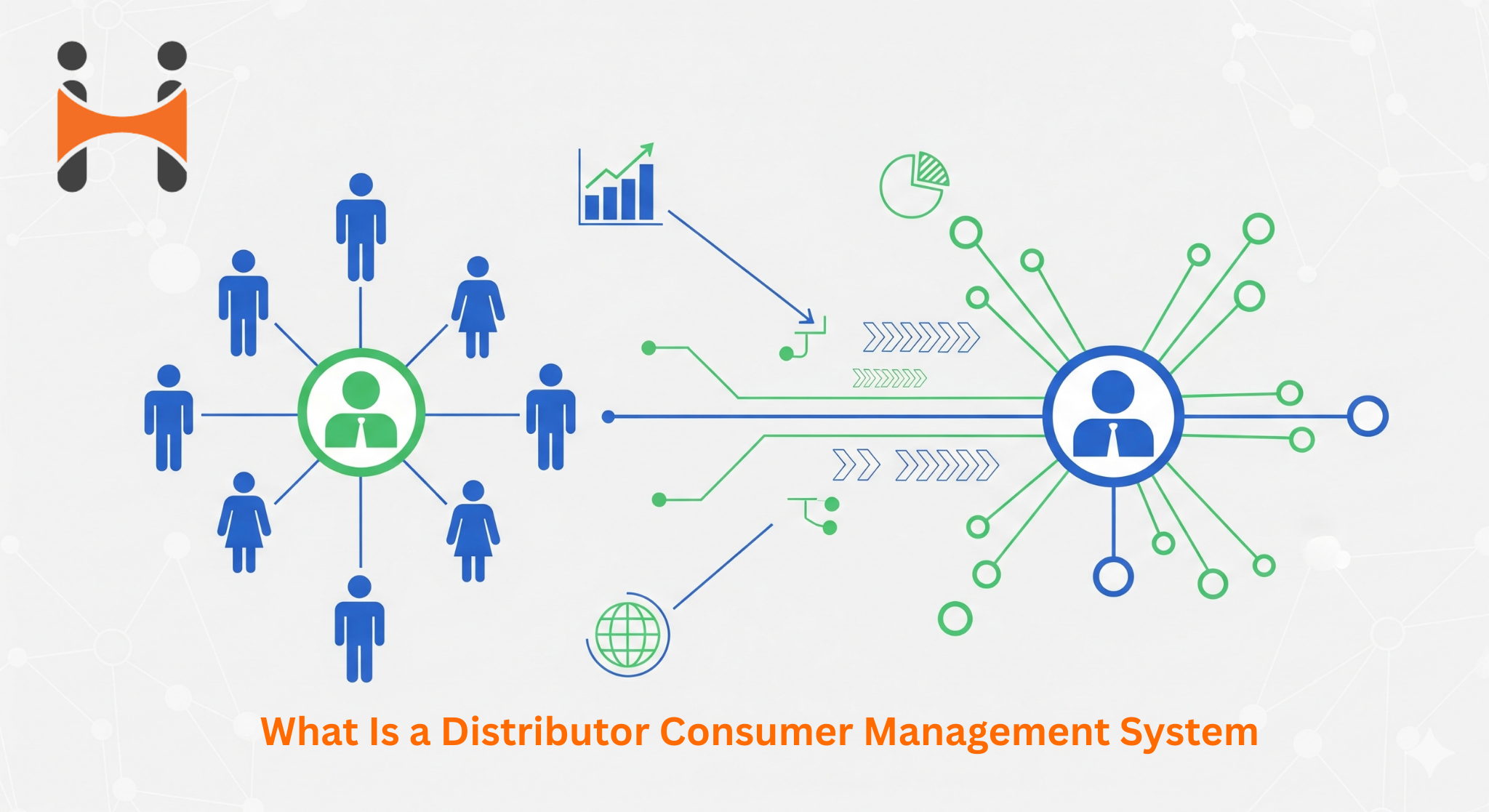
    What Is a Distributor Consumer Management System?

    What Is a Distributor Consumer Management System and Why Your Business Needs It?

    Running a distribution business in India isn’t easy. Stock sometimes runs out, orders get delayed, and sales reps may log visits they didn’t really make. Collections pile up, and managers often work with reports that are already old.

    A Distributor Consumer Management System helps fix this. It does more than billing or POS. It connects your stores, field teams, and back-office so you can see what’s happening, keep your team accountable, and run operations smoother.

    Happisales made its system for Indian businesses that want to track employees responsibly, make field work easier, and get collections done faster without making the software complicated.

    What Exactly Is a Distributor Consumer Management System?

    • Sales visits made easy: A sales rep visits a store and places orders on their phone. Payment is recorded instantly.
    • Real-time inventory updates: Warehouse sees stock changes immediately, preventing stockouts.
    • Expense tracking simplified: Travel or delivery costs are logged in the app and quickly approved by the manager.
    • Manager oversight: Managers can see rep locations, which stores were visited, and pending orders.
    • One hub for operations: From order to delivery to collection, everything is tracked in real time, keeping stores, field teams, and finance on the same page.

    The Challenges Indian Businesses Face

    When we work with distributors, FMCG companies, and retail chains, few problems keep coming up, they are:

    1. No real-time visibility
      Field reps and stores often don’t work on the same timeline. Orders from the field reach the warehouse late or sometimes not at all. Stock data is old, shelves empty, sales missed, customers unhappy
    2. Manual stuff causes losses
      Using Excel, WhatsApp, or paper slows things down. Collections take longer, expense claims pile up, revenue quietly goes missing
    3. Accountability and coaching weak
      Managers don’t have proper data. They cant be sure if reps visited customers, what happened there, or why sales dropped. Coaching ends up guesswork not based on real numbers

    How a Distributor Consumer Management System Solves These Problems ?

    Real-time order and inventory sync

    It keeps everything updated so nothing slips through the cracks.

    • Orders they take on mobile update right away or as soon as the network is back
    • The inventory adjusts automatically to avoid stockouts or duplicate deliveries
    • This means faster deliveries and happier customers

    Employee location tracking with geotagged visits

     It lets managers know where reps are during work hours without overstepping privacy.

    • They can track locations only during working hours
    • Photos and notes tagged with locations confirm the visits
    • The coverage reports help them coach reps more effectively

    Planned beats and route optimization

    It automatically plans routes to save travel time and let reps meet more customers.

    • The routes are based on geography and customer priority
    • They can visit more stores per day
    • This lowers fuel and travel costs

    Offline-first mobile app

    It allows reps to work even when the network is bad.

    • They can log orders, expenses, and notes offline
    • The data syncs automatically once the connection is back
    • This works well in Tier-2 and Tier-3 cities
    • It ensures they don’t miss opportunities due to weak networks

    Order-to-Collection Flow

     It covers everything from taking the order to generating the invoice, collecting payment, and reconciling accounts.

    • Managers see dashboards with alerts for overdue collections
    • This helps them improve cash flow, speed up collections, and reduce DSO

    Expense Tracking and Approvals

     Reps submit bills and receipts through the app.

    • Managers approve or reject them with a single click
    • The data syncs with payroll or ERP
    • This lets them process reimbursements faster, get clearer visibility into expenses, and simplify accounting

    Analytics, KPIs, and Smart Recommendations

     It tracks over 15 metrics like daily visits, order conversion, average order size, and route adherence.

    • Smart suggestions show which customers they should focus on and which reps need coaching
    • This helps them make decisions based on real data and steadily improve performance

    Why This Matters for Indian Businesses?

    Affordable with fast ROI

    Many small and mid-sized business worry about software costs. They see results like faster collections and fewer stockouts within 60 to 90 days. It usually pays for itself quickly.

    Easy to use

     Field reps don’t need long training. They can use it on their phones, in local languages, and learn it in one session.

    Builds trust

     It tracks only during work hours. Managers see the data they need, and reps feel respected. This makes them more likely to use it and keeps the team motivated.

    Practical Examples from Real Customers

    • A regional distributor cut stockouts by 30 percent in three months by syncing field orders with the store inventory. It helped them keep the shelves full and satisfy customers.
    • A sales manager increased daily customer visits by 22 percent using route planning. They also saw their collections improve at the same time.
    • An FMCG company shortened reimbursement timelines from weeks to the same week. It made the field team happier and saved the HR team time.
    • These results came from setups that matched the real workflows. They didn’t force big changes, and that’s why the teams adopted it quickly.

    Tracking Employee Location Responsibly

    Tracking employees the right way is key to building trust.

    Time-window tracking
    Track only during work hours. They don’t need to worry about being monitored outside of work.

    Data minimization
    Keep only what’s necessary, like visit timestamps and geotags. It avoids unnecessary clutter and keeps things simple.

    Access controls
    Only the managers who need the data can see it. They don’t get access to information they shouldn’t.

    Retention policies
    Old logs are deleted automatically. It keeps the system tidy and secure.

    Following these practices lets the business get visibility without hurting trust.

    How a DCMS Differs from Basic POS or RMS?

    • A POS only handles transactions. It does not show them what is happening in the field.
    • A basic RMS tracks inventory and generates reports. It still does not give them real-time updates from the field.
    • Happisales DCMS brings together POS, RMS, field force automation, offline use, employee tracking, and analytics.
    • It lets them connect field activities to sales, see who is covering which areas, and reduce gaps in order-to-cash.

    Steps to Roll Out Happisales Smoothly

    • Start with a pilot in one or two regions with 10 to 30 reps. This helps them get used to the system without overloading.
    • Look at how they work now and fit those processes into the system. Don’t force big changes, it confuses them.
    • Keep training short and give small rewards so they actually want to use it.
    • Expand slowly, region by region, and watch the KPIs to see what needs changing.
    • Use analytics to improve routes and help with coaching.
    • They take to the system faster when they see quick wins like faster reimbursements and less time on road.

    KPIs to Track Success

    • Stockouts percentage
    • Orders per rep per day
    • Delivery time in hours/days
    • Collection timelines/DSO
    • Expense processing time
    • Active rep adoption rate
    • Trial-to-paid conversion

    Note: Start by noting baseline numbers. Check weekly for the first 90 days, then monthly.

    Common Pitfalls and How to Avoid Them

    Trying to do everything at once usually backfires. They should focus on order capture and route planning first when using a distributor and consumer management system.

    Change management can get messy if people don’t see progress. Keep KPIs visible, training short, and reward small wins. Field force automation software helps track these improvements in real time.

    Tracking can feel like spying if not done right. Limit it to work hours and be transparent about what you track. Sales tracking software can make this easier without being intrusive.

    ERP integrations often slow things down. Plan them early so the team doesn’t end up repeating work and data stays synced across the system.

    What’s Next?

    A distributor and consumer management system with field force automation, offline features, and responsible employee tracking can really change how they work.

    It helps them handle sales better, collect payments faster, and keep their teams accountable without breaking trust with the field staff.

    If they want to track employee locations, plan smarter routes, and avoid stockouts, Happisales make it simple and reliable.

    Discover how our game-changing solution can transform your daily operations. Start your 14-day FREE trial today – no credit card required! See the difference for yourself and take control of your success.

    Click here to start your free trial!

  • Smart Sales App for Field Teams | Drive Growth Faster 

    Smart Sales App for Field Teams | Drive Growth Faster 

    Smart Sales App

    Field sales in India is fast and demanding. Teams travel across cities and towns, manage client visits, take orders, and plan routes daily. Every action matters, from converting leads to completing sales. A smart sales app gives teams live updates so they can act quickly and make better decisions. It helps them sell more, stay organized, and serve customers efficiently.

    Traditional methods like spreadsheets, calls, and manual reports slow work down and cause mistakes. They hide what is happening in the field and waste time. A field sales application brings planning, execution, and tracking together in a single mobile tool.

    Why Indian Field Teams Need a Smart Sales App?

    Field work in India has unique challenges. Teams face traffic jams, long commutes, and remote areas with poor connectivity. Managers often cannot see field activity in real time, which can cause delays and missed targets.

    A field sales mobile app tracks employees and vehicles live. Managers can check progress, plan efficient routes, and ensure accountability. Communication improves so tasks are completed correctly and on time.

    Benefits for Indian companies

    • Get real-time data access for field sales
    • Track attendance and performance
    • Monitor routes to ensure on-time delivery
    • Cut costs by reducing detours and idle time

     Real-Time Insights for Better Decisions

    A field sales tracking app shows field operations instantly. Reps can log visits, take orders, and record payments from their phones. Managers know where each person is and what they are doing.

    Quick insights help spot delays. If a delivery is late, managers can check if it is traffic, a missed stop, or a wrong route. Smart sales analytics show trends in visits, conversions, and route efficiency. Managers can assign territories, set realistic targets, and guide reps who need help.

    Improving Accountability and Safety

    Tracking field activity increases accountability. Employees perform better when their work is visible.

    Safety improves too. Geofencing alerts notify managers if someone leaves the assigned area. Driving behavior tracking helps prevent accidents and reduces fuel costs.

    Managers can maintain a responsible, secure, and productive field team while protecting company resources. Using a sales observations app or sales supervision app helps managers monitor performance without constant check-ins.

    Enhancing Customer Experience

    Customers expect timely and clear service. A field sales mobile app ensures reps have all the details before visiting clients. They can check past orders, payments, and preferences to provide personalized service.

    Live updates let managers share accurate delivery times. Customers know when to expect orders, reducing confusion and building trust. Easy access to real-time data for field sales helps companies strengthen relationships and keep clients happy.

    Optimizing Routes and Productivity

    Route planning matters in busy cities and remote areas. A mobile field sales software finds the best routes based on traffic, road conditions, and meeting schedules. Reps get updates on the go, and managers can adjust plans in real time.

    Benefits of route optimization

    • Save fuel by reducing detours
    • Deliver on time
    • Reduce overtime and idle time
    • Improve productivity

    Managers can also identify frequently delayed routes and make adjustments to improve efficiency and lower costs.

    Integrating CRM and Inventory

    A field sales management app links with CRM and inventory systems. Reps can see customer history, product availability, and payment status on the go. This helps them make fast decisions and process orders quickly.

    Integration reduces errors and duplicate data entry. Reps spend less time on paperwork and more time selling and building relationships. A field sales automation app helps teams stay focused and efficient.

    Using Automation for Sales Growth

    Modern apps do more than track work. They highlight products that sell well, suggest follow-ups, and help prioritize leads.

    Automation handles routine tasks so managers can focus on planning and coaching. Teams respond faster to market needs, improving performance and driving steady growth.

    Empowering Teams On the Go

    A mobile sales app for field team keeps field teams productive anywhere. Reps can:

    • Reschedule visits easily
    • Log expenses on the move
    • Update visit status instantly
    • Record orders and payments

    Managers can monitor performance without constant calls. Teams stay accountable while working independently.

    Measuring Performance with Analytics

    A smart sales management system provides clear insights into field operations. Managers can track:

    • Employee efficiency
    • Route performance
    • Conversion rates
    • Customer activity

    This data helps companies make informed decisions, assign tasks wisely, and improve sales strategies. Analytics also highlight weak spots and help teams improve steadily.

    Choosing the Right Smart Sales App

    When selecting a field sales app in India, look for:

    • Real-time GPS tracking
    • Attendance and task monitoring
    • Route optimization
    • CRM and inventory integration
    • Sales automation and analytics

    A reliable app keeps teams productive, customers satisfied, and managers informed.

    What’s next ?

    A smart sales app changes how field teams operate. Tracking and automation help managers monitor performance, improve accountability, and ensure safety. Analytics provide insights for better decisions. CRM and inventory integration makes operations smooth and communication clear.

    Investing in a smart sales app is necessary for field teams to work efficiently, make better decisions, and increase sales.

    Request a free demo today to see how Happisales can help your team work smarter and deliver better results.

    Frequently Asked Questions

    1.  What is the goal of a sales team?

    A sales team brings in revenue by converting leads into customers and keeping existing clients satisfied. They focus on meeting targets, growing the business, and providing good service.

    2. What are good sales objectives?

     Good objectives are clear and measurable. Examples include increasing revenue, improving retention, converting more leads, and shortening the sales cycle. Objectives guide reps, prioritize tasks, and let managers track progress.

    3. What are four SMART goals?

    • Specific – Know exactly what to do, like closing 20 new accounts in a month
    • Measurable – Track results using numbers like revenue or calls made
    • Achievable – Set targets that are realistic
    • Time-bound – Complete goals within a set timeframe

    4. What is the objective of a SMART sales call?

     A SMART sales call has a clear purpose and measurable outcome. It sets a goal, tracks results like orders or follow-ups, and ensures the task is done on time. This keeps reps organized, efficient, and focused on providing value to the customer.

  • Struggling to Hit Your IT Sales Targets? Here’s How Top US Sales Leaders Are Using Real-Time Data to Dominate.

    Struggling to Hit Your IT Sales Targets? Here’s How Top US Sales Leaders Are Using Real-Time Data to Dominate.

    Let’s be brutally honest for a moment. If you’re leading an IT sales team in the US today, you’re in a relentless sprint. The competition isn’t just fierce; it’s smarter. They’re agile. They’re predicting. And if you’re still waiting for end-of-month reports to tell you what went wrong, you’re not just behind—you’re losing ground.

    I’ve seen it countless times over my two decades in this game. Brilliant sales VPs, sharp directors, and ambitious managers, all feeling the immense pressure. They’re trying to grow revenue for cutting-edge SaaS, complex cybersecurity solutions, or critical IT services, but they’re flying blind, making decisions based on intuition or stale data.

    Here’s the truth: The most successful IT sales organizations in America aren’t just tracking sales. They’re using real-time data to see into the future of their pipeline, coach with surgical precision, and outmaneuver competitors with an almost unfair advantage.

    This isn’t about some distant, theoretical future. This is about your sales team, today. It’s about giving you the clarity and control you desperately need.

    Are You Facing These Pain Points in Your US IT Sales Operations?

    Take a deep breath. Do any of these resonate?

    • “My forecasts feel like educated guesses.” You’re constantly adjusting, stressing about hitting quarterly numbers, and feeling like you’re reacting instead of proactively guiding the ship.
    • “I know we have bottlenecks, but I can’t pinpoint where or why.” Deals are getting stuck. Reps are struggling. But isolating the exact problem in a complex IT sales cycle feels like finding a needle in a haystack.
    • “My coaching is generic. I wish I could give specific, data-backed advice.” You want to elevate your team, but without clear, immediate insights into individual performance gaps, your coaching sessions feel less impactful.
    • “We’re missing opportunities. I can feel it.” A new market trend emerges, a competitor pivots, or a specific product suddenly gains traction, and you’re always a step behind.
    • “My sales reps are good, but they’re not operating at their peak potential.” You know they have more in them, but how do you unlock it without micromanaging?

    If you nodded to any of those, know this: you’re not alone. And more importantly, there’s a powerful solution.

    The Secret Weapon: Real-Time Sales Tracking for IT Leaders

    Imagine having a living, breathing pulse on every single sales activity, every lead progression, every deal status—as it happens. This isn’t just reporting; it’s dynamic intelligence.

    Here’s how it transforms those pain points into powerful opportunities:

    • From Guessing to Predictive Power: Instead of looking backward at lagging indicators, you’re leveraging live data to forecast with unprecedented accuracy.
    • From Bottlenecks to Breakthroughs: Instantly identify where deals are stalling, which IT solutions are struggling to gain traction, or which reps need immediate support.
    • From Generic to Surgical Coaching: Drill down into specific calls, emails, or demo performances to offer tailored, impactful guidance that genuinely moves the needle for each rep.
    • From Missing to Seizing Opportunities: Spot emerging trends in client needs, rapid interest in new IT services, or sudden competitive moves, allowing you to pivot strategies in hours, not weeks.
    • From Potential to Peak Performance: Empower your team with transparency and targeted feedback, fostering a culture of continuous improvement and self-correction.

    The Bottom Line: Stop Playing Catch-Up. Start Leading.

    For IT sales leaders in the US, real-time sales tracking isn’t a nice-to-have; it’s a strategic imperative. It’s the difference between hoping to hit your numbers and knowing, with precision, how to smash them. It’s the difference between reactive problem-solving and proactive, confident leadership.

    Imagine the confidence you’d have, the peace of mind knowing you have your finger on the pulse of every deal, every rep, every opportunity. The ability to make data-backed decisions that propel your team forward, consistently hitting and exceeding targets.

    This level of insight transforms not just your sales numbers, but your entire sales culture. It empowers your team, reduces stress, and ultimately, helps you build a sales machine that consistently delivers.

    Ready to Transform Your IT Sales into an Unstoppable Force?

    If you’re an IT sales leader in the US tired of the guesswork and ready to harness the true power of real-time data, Happisales is your partner.

    We’re not just consultants; we’re architects of sales transformation. With two decades of experience helping companies like yours thrive, we specialize in:

    • Deep-Dive Audits: Uncovering your specific sales data gaps and opportunities within your existing IT sales stack.
    • Custom Dashboard Design: Building intuitive, real-time dashboards specifically tailored to your IT services, products, and sales goals.
    • Seamless Tech Integration: Connecting your CRM, sales engagement, and BI tools to create a unified, intelligent sales ecosystem.
    • Targeted Coaching Enablement: Equipping your sales managers with the tools and training to leverage real-time data for unparalleled rep development.
    • Data-Driven Go-to-Market Strategy: Ensuring your sales efforts are always aligned with the latest market trends and competitive intelligence.

  • Mastering Field Sales: How to Train Your Reps on Field Sales Apps and Sales Force Automation Software

    Mastering Field Sales: How to Train Your Reps on Field Sales Apps and Sales Force Automation Software

    Why Field Sales Engagement Platforms Matter

    In today’s market, using a robust field sales engagement platform is no longer optional, it’s a competitive necessity. These platforms streamline sales workflows, deliver real-time analytics, and enable better communication between field teams and managers.

    By leveraging a field sales engagement platform, businesses can:

    • Analyze customer interactions
    • Personalize field rep approaches
    • Increase customer satisfaction
    • Enable data-driven decision-making

    Staying ahead with the right field sales technology ensures your team adapts to evolving buyer behavior and market demands.

    Top Field Sales Apps in 2025

    What are the top field sales apps available, and how do they compare in terms of features and ease of use?

    Leading field sales apps in 2025 offer:

    • Offline data access
    • GPS tracking
    • Route optimization
    • In-app communication
    • Real-time order entry

    Comparison of top field sales apps:

    • App A: Known for user-friendly UI and custom workflows
    • App B: Strong in analytics and reporting
    • App C: Best for integration with legacy CRMs

    Evaluate based on ease of use, feature set, and scalability.

    Training Your Sales Team to Use Field Sales Apps

    How should I train my sales reps to effectively use new field sales technology?

    Effective field sales app training combines:

    • Hands-on experience
    • Role-playing exercises
    • E-learning and microlearning

    Start by identifying reps’ tech gaps and tailor the program accordingly. Create interactive workshops that simulate real-world usage. Reinforce learning with refresher sessions and support forums.

    Sales Force Automation Software: Benefits and Best Practices

    How can I determine which sales force automation software is best suited for my business needs?

    Sales force automation software (SFA) automates repetitive tasks and improves decision-making. Top benefits include:

    • Real-time lead prioritization
    • Automated scheduling
    • Accurate forecasting
    • Integration with marketing tools

    When evaluating sales force automation software:

    • Choose platforms with mobile-first design
    • Look for predictive analytics and lead scoring
    • Ensure CRM compatibility and API flexibility

    Implementing Effective Field Sales Training Programs

    A successful training program for field sales apps and SFA tools requires:

    • Clear KPIs and learning goals
    • Balanced curriculum (theory + practical)
    • Multiple learning formats (videos, simulations, live coaching)

    Encourage peer-to-peer learning and allow for real-time feedback collection to keep the program evolving.

    Measuring Training Success and App Adoption

    How can I measure the success of my field sales training program and app adoption?

    Metrics to track include:

    • Usage rates of the field sales app
    • Knowledge retention scores
    • Sales metrics before/after training
    • Rep satisfaction and confidence

    Use quizzes, live role-play evaluations, and CRM/app analytics to validate success.

    Case Studies: Field Sales Engagement Platforms in Action

    What are some real-world examples of companies successfully implementing field sales engagement platforms?

    1. FMCG Brand: Increased productivity by 25% within 6 months using a tailored field sales engagement platform.
    2. Pharma Company: Reduced sales cycle with sales force automation software and improved lead conversion.
    3. Retail Chain: Trained reps on a custom field sales app, leading to better customer satisfaction and repeat business.

    Future Trends in Field Sales Technology

    What future trends should I be aware of in field sales technology and automation?

    Trends shaping the next generation of field sales apps and SFA tools:

    • AI-powered sales recommendations
    • Voice-to-text note capturing
    • Predictive route planning
    • Embedded video calling within apps

    Investing early in emerging field sales technology helps future-proof your sales operations.

    FAQs

    What challenges do sales reps face when using field sales apps, and how can they be overcome?

    • Challenge: Tech resistance
      • Solution: Gamified onboarding and peer mentoring
    • Challenge: Poor mobile network coverage
      • Solution: Choose apps with offline functionality

    How do field sales apps help improve sales productivity and customer engagement?

    • Real-time insights and automation free up time
    • Location tracking and visit planning improve efficiency
    • Personalized follow-ups increase engagement

    What are the key features to look for in a field sales app or sales force automation software?

    • Custom workflows
    • CRM and ERP integration
    • AI and analytics
    • Offline support

    Book a demo today and experience how a tailored field sales engagement platform can elevate your sales strategy.

  • Untitled post 8959

    The manufacturing industry is constantly evolving, and technology is playing a major role in shaping its future. One of the technologies that have made a significant impact on the industry is field sales apps. These apps have transformed the way manufacturing companies conduct their sales operations, allowing them to streamline their processes, improve customer engagement and satisfaction, and boost their revenue.

    India’s gross domestic product (GDP) at current prices stood at Rs. 51.23 lakh crore (US$ 694.93 billion) in the first quarter of FY22, as per the provisional estimates of gross domestic product for the first quarter of 2021-22. The manufacturing GVA at current prices was estimated at US$ 77.47 billion in the third quarter of FY22. India has potential to become a global manufacturing hub and by 2030, it can add more than US$ 500 billion annually to the global economy.

                                                                         Source:India brand equity foundation

     In this blog post, we will explore how field sales apps help the manufacturing industry and the benefits they provide.

    What is a Field Sales App?

    A field sales app is a mobile application designed to help sales teams work more efficiently and effectively in the field. The app is typically installed on a salesperson’s mobile device and provides them with access to critical information such as customer data, product information, pricing, inventory levels, and order history.

    These apps are designed to be user-friendly and intuitive, allowing sales reps to quickly and easily navigate through the app to find the information they need. Additionally, field sales apps are often integrated with the company’s backend systems, enabling real-time data updates, accurate reporting, and more.

    Read More : The Significance of Field Sales App for FMCG Sector

    How Field Sales Apps Help the Manufacturing Industry

    The manufacturing industry is constantly under pressure to improve its operations, reduce costs, and increase revenue. Field sales apps can help manufacturing companies achieve these goals by providing a range of benefits, including:

    1.Improved Sales Efficiency

    Field sales apps can help sales teams work more efficiently by providing them with access to real-time data, eliminating the need for manual data entry, and automating repetitive tasks. This allows sales reps to spend more time interacting with customers and closing deals, rather than spending their time on administrative tasks.

    With a field sales app, sales reps can easily access customer data, including their order history, previous interactions, and preferences. This information can be used to personalize the sales process, making it more effective and increasing the chances of a successful sale.

     2.Better Customer Engagement

    Field sales apps also improve customer engagement by allowing sales reps to provide more personalized service. With access to customer data, sales reps can tailor their sales pitch to meet the specific needs of each customer, improving the customer experience and building stronger relationships.

    Additionally, field sales apps allow sales reps to easily communicate with customers, whether it be through email, text, or phone. This enables sales reps to quickly respond to customer inquiries, provide updates on orders, and address any concerns, improving customer satisfaction and loyalty.

    3.Increased Sales Revenue

    By improving sales efficiency and customer engagement, field sales apps can help manufacturing companies increase their sales revenue. By streamlining the sales process, sales reps can spend more time on selling, leading to more closed deals and higher revenue.

    Additionally, by providing personalized service and improving customer satisfaction, manufacturing companies can increase customer loyalty and retention. This can lead to repeat business and referrals, driving long-term revenue growth.

    4.Better Data Analytics

    Field sales apps provide real-time data updates and accurate reporting, enabling manufacturing companies to make data-driven decisions. Sales managers can track sales performance, monitor individual sales reps’ activity, and identify areas for improvement.

    This data can be used to optimize the sales process, improve sales forecasting, and identify new opportunities for revenue growth. With better data analytics, manufacturing companies can make smarter business decisions, leading to improved operations and increased profitability.

    5.Improved Collaboration

    Field sales apps also improve collaboration between sales reps and other departments, such as marketing and customer service. By providing real-time data updates and enabling easy communication, field sales apps can help different departments work together more effectively, leading to improved overall business performance.

    For example, sales reps can provide feedback to marketing on which products and promotions are resonating with customers, enabling marketing to create more effective campaigns. Similarly, customer service can use real-time data to provide better support to customers, improving their satisfaction and loyalty.

    Wrapping Up:

    Manufacturing companies that invest in field sales apps can streamline their sales operations, improve customer satisfaction, and drive long-term revenue growth. Additionally, by providing real-time data updates and enabling better collaboration between departments, these apps can help manufacturing companies make smarter business decisions and improve overall business performance.

    Looking for a reliable field sales app solution partner? Get free consultation now.

    Want to explore the features of the app?

    Happisales CTA

  • The Significance of Field Sales App for FMCG Sector

    The Significance of Field Sales App for FMCG Sector

    Fast Moving Consumer Goods (FMCG) is one of the faster-growing sectors that contribute to the revenue of any country.  The FMCG market in India is expected to increase at a CAGR of 14.9% to reach US$ 220 billion by 2025, from US$ 110 billion in 2020. The Indian FMCG industry grew by 16% in CY21 a 9- year high, despite nationwide lockdowns, supported by consumption-led growth and value expansion from higher product prices, particularly for staples. (Source: IBEF)

    FMCG-based businesses have to deal with a wide array of distributors, retailers, and dealers daily. Performing all the activities manually takes time, effort, and cost. 

    Obsolete data and lack of coordination between departments are a headache for companies. Tracking sales operations, updating sales data, and improving the overall sales operations are laborious when performed manually. Companies are under pressure to deliver the goods to customers using manual efforts. 

    Post Covid-19, FMCG-based companies have realized the impact of digital transformation solutions and advanced mobile applications to manage their operations, especially their sales operations. 

    Of the many solutions, mobile field sales application has gained significant momentum over the past few years and is a potential game changer in field sales and other related operations. 

    In this post, I have highlighted some of the key benefits of field sales mobile app for FMCG sector. 

    #1 – Centralized sales tracking

    Obsolete or dispersed data will never allow any company with insights to improve. Having the data of different processes and processing the information can be backbreaking for companies. Lack of accuracy and man-made errors can add more salt to the injury. 

    Companies are looking for a solution to store and access data from a centralized system, and mobile field service software helps the workforce and top management access real-time data from anywhere and anytime from a centralized repository. 

    Implementing field sales apps in FMCG related companies can simplify the data management and accessibility challenges. 

    #2 – Access to real-time operation data 

    The manual access to sales data often hampers the production and sales cycle massively. Top management faces the challenge of making quick and smart decisions based on the data. Without real-time data from field sales reps and internal teams, predicting the trend and improving the business is hard. 

    Empowering the field force with an advanced mobile app will help them to make faster decisions based on real-time data. Field sales app simplifies the process and enables the automatic data collection from field sales operations. The app brings transparency to the entire process and helps the top management to make better decisions based on the accurate real-time data amassed. 

    #3 – Process data quickly and efficiently

    While amassing data is challenging for FMCG companies, processing the data for faster decisions is even more demanding. This is where Cloud computing technology kicks in. Mobile Sales App are powered with Cloud technology to process the data. Updating and retrieving data are simpler with Cloud; you can process the data in no time to make intelligent decisions. 

    Another massive benefit of using Cloud in the field sales app is it allows sales reps to up-sell and cross-sell products to customers when needed. Based on the individual customer histories and preferences, sales reps can delight them with personalized offers to customers. 

    #4 – Digitalize the distribution, retail, and sales operations

    Manual coordination of distributors, retailers, and sales is often daunting and requires time and effort. The lack of accurate data makes tracking companies’ sales operations even more challenging. 

    Tracking the complete workflow is simple with the help of the mobile field sales app. The field sales application helps the companies to track retailers and sales operations in real-time and provides accurate data. Empower your workforce with real-time data to collaborate better and render a best-in-class customer experience. 

    #5 – Increase in business RoI

    It doesn’t matter what kind of process or technology you adopt, if the initiative is not providing you any revenue, it’s of no use. Many companies have realized this. This is the obvious reason why most FMCG-based companies are insisting on digital transformation solutions like file force apps to streamline processes, collaborate better to improve revenue. 

    Field sales applications have significantly improved the performance of businesses over the years due to its ability to scale and improve operations significantly. 

    The field force automation market size was $1,196.9 million in 2019, and it is projected to record a CAGR of 20.9% during 2020–2030. The strongest growth drivers for this market include the increasing smartphone and mobile internet penetration, surging focus on leveraging advanced technologies, such as cloud computing, the internet of things (IoT), and artificial intelligence (AI), in field force automation solutions, and soaring requirement for automating repetitive activities. (Source: psmarketresearch)

    #6 – Optimized route planning

    Route optimization for meeting distributors, retailers, and customers every day is a headache to both managers and sales reps when performed manually. The entire process can go for a toss if the route planning is unsuccessful. Optimizing the route perfectly with automation software is desired to reduce the challenges of meeting the stakeholders. 

    Field sales software enables sales managers to optimize routes quickly and helps sales reps to meet customers on-time. The managers can also switch routes if they have to alter them based on climate or transportation difficulties.

    Wrapping up

    Field sales applications are transforming how FMCG companies operate, and smart leaders have already started to implement digital advancements to improve business efficiency. 

    If you’re looking for reliable field sales software for business growth, I recommend you. 

    With the real-time data acquired, companies have improved their business growth massively. Happisales can be your ideal solution to simplify field sales operations and amplify business growth. The advanced field sales app will help your sales rep to facilitate collaboration and data sharing between departments. 

    Want to empower your sales team with advanced field sales applications, try happisales now. As the name suggests, the application will delight your sales reps and internal teams dealing with sales data. 

    Want to explore the features and benefits of happisales? 

    Request a free trial now

  • Field sales app: Drive your sales team better with a goal-driven approach

    Field sales app: Drive your sales team better with a goal-driven approach

    Be it your life or business, if you don’t have goals defined, then chances of your failure are high. Goals are fundamental for any company to achieve and progress further in business.

    Every department will have specific goals and milestones (cluster of goals) to achieve for a quarter. And, every employee will have a plan defined for every week to reach the common goal and milestone.

    Similarly the sales team has some definite goals to achieve and help the company perform and progress better.

    Goals are defined for every sales staff to motivate, inspire and perform better. In fact, goals steer the sales team in the right direction.

    So, no denying the fact that setting up goals for the sales team is a fantastic idea.

    But, the buck doesn’t stop here.

    What if you don’t have a proper mechanism to track the goals? 

    The answer is simple. You won’t be able to make any progress at all as you don’t have any data about employees’ performance.

    There is no point in setting up such goals that can’t be tracked.

    So, if you have set goals for the sales team you need a robust tool that can help you (and the staff) to track and analyze their performance to improve in the future.

    Most companies set up goals but fail to track the performance against the goals due to the lack of proper mechanisms, leading to a rapid decline in growth.

    Remember, goals help companies boost employee performance and improve their morale by awarding them for achievements. 

    If you’re facing the challenges of setting up goals and tracking the same for improving the business, this post is for you.

    It will help you with a solution to set up goals for your sales team that enables you to track, analyze and celebrate the performances of employees.

    Meet the #1 solution – Field sales application

    While many solutions can simplify the process of tracking goals for monitoring employee efficiency, can’t miss the role of field sales applications.

    The field sales management software plays a meaty role in companies that deal with field sales executives who are out to meet customers daily.

    The app helps sales managers set goals and drive the teams toward them. The common goals shared between the executives motivate them to perform better and improve their efficiency.

    It’s super easy to set up goals in the app, and both field sales executives and sales managers can track and monitor the progress now and then to plan for improvement.

    Why field sales app for driving the sales team with specific goals

    Makes goal clear and visible to everyone

    The sales managers can set up goals for every sales executive on a day-to-day or monthly basis.

    The goal details are visible and clear to everyone involved in the process, and tracking the progress won’t be backbreaking for both the manager and executive. As the field sales personnel can track his own goals, he can adjust and accelerate the efforts to meet the goals if he feels he is far behind.

    So, even before a manager questions him, he can up his pace to improve his efficiency, and so does everyone on the team. In case of discrepancies and deviations from the goals, the managers can intervene and suggest improvements to help the executives to reach goals on time without hassle.

    Expedites sales cycles with real-time data transfers

    With legacy systems, the field sales staff must collect and update everyday work data by the end of the day, which consumes a lot of time. Often this leads to delayed cycles and missed milestones. To avoid this, implementing a field sales app can do wonders for the business.

    As the application enables the field sales team to share and update data from anywhere and anytime, they don’t have to wait until the end of the day, and updating the information is simple by just clicking the button on the mobile app.

    With this approach, the entire sales cycle is expedited, leading to meeting the goals and milestones on time without any hardship.

    Boosts employee morale by awarding for achievements

    The best way to improve an employee’s performance is to celebrate and reward him with awards. Without any relevant data about his performance, this is completely impossible.

    But, with a field force manager app installed on the field sales executive’s device, the activity log can be updated to the CRM every now and then, making the jobs of the sales manager easier to track and analyze the employee’s performance before rewarding him.

    As they have accurate data, celebrating an employee’s achievement won’t be a challenge. Awarding the right employee will be a breeze and helps improve the morale of the achiever and inspires other staff to perform better.

    Simplifies decision-making to accelerate growth

    Having a field force automation solution will help you track, monitor and analyze employees’ goals and predict future trends to plan for improvements. With data, you have the power to make analyses and planning ways for improvements. Legacy systems won’t fit this purpose and bill.

    The complicated decision making process will be simplified with a massive volume of real-time data obtained via field sales application.

    Brings everyone together to work as a team

    When the entire sales team shares a common goal, reaching success won’t be a distant dream. With everyone connected through real-time data, getting in sync and working together is highly possible to reach the milestones.

    Working as a team constantly improves efficiency, sales, customer experience, and business growth.

    Finally it’s time to act

    If your business is struggling to set and track goals for the sales team, then it is high time to rethink your strategy. Adding field sales applications to your current strategy will help your entire sales team to boost their performance and efficiency.

    Give your sales team the best-in-class field sales application and allow them to contribute better and quicker.

    If you’re still not convinced that a field sales application can take your sales team’s performance to the next level, explore the features.

    Want to give it a try? We bet you’d love it.

  • Evolution of sales strategy – why upgrading your sales systems matters

    Evolution of sales strategy – why upgrading your sales systems matters

    Of the many factors that contribute to a company’s growth, the role of sales is critical. Every year the sales team has to rethink their strategy and approach to align with the growing customer expectations and behavior changes. 

    The evolution of the sales team is vital for the success of any organization. If you have taken the list of successful companies, you can confidently say that sales-enabled organizations have outsmarted others staggeringly. 

    And this creates the need for sales teams to recreate their strategies often to meet customer expectations. 

    This post will lighten the evolution of sales strategies over the years. If your company focuses on recreating the sales strategy and practice for the next two years, and your business involves field sales, this post is for you. 

    I have shared seven futuristic strategies to help your business accelerate sales and growth. 

    1. Build relationships with customers 
    2. Personalize
    3. Enable and empower sales 
    4. Make data-driven decisions
    5. Collaborate to access data better 
    6. Leverage technology advancements 
    7. invest in the right technology/software

    Let’s deep dive into the discussion below. Let’s get started. 

    7 Step strategy for your sales team to improve productivity and business growth

    Step #1 – Build relationships with customers 

    Your customers’ trust in your business is vital for your business growth. It doesn’t matter what kind of product you develop or deliver; you’re gone if you don’t build relationships with customers. It depends on the sales team facing the customers on a day-to-day basis. 

    Give the salespeople the resources they need to serve customers better. Help them better understand customers to communicate and convince customers. Delivering a seamless customer experience is possible only when you have a fantastic rapport with your customers. 

    Step #2 – Personalize as much as you can

    Today’s customers prefer individualization, and you can’t win the game if you’re going the same service or products as others. Studying every customer and their behaviors to personalize products/offers/services based on their unique needs is essential. Ensure you have the correct data to create individual offers for your customers to earn their trust. 

    Step #3 – Enable and empower sales 

    It is one of the most overlooked steps in the sales department. Due to budget limitations, most companies don’t empower and enable sales with the latest tools, technologies, and software. The skill and technology gap among the salespeople leads to substandard customer service and communication. Training and educating the sales team with the most recent technologies and tools will help the team improve their operations and the customer experience.

    Step #4 – Make data-driven decisions 

    The companies that don’t give importance to sales data can’t survive long. If the team doesn’t know about the process, progress, and target, it is hard for the sales team to improve their operations and bring revenue to the company. 

    Even customer data and feedback matters much to make quick and better decisions. To make data-driven decisions, the team must leverage technology and tools. 

    Step #5 – Leverage technology advancements

    There is a rapid growth in the technology evolution, and companies that have utilized them are seeing better outcomes. If you underestimate the power of technology owing to budget limitations, it is hard for any company to serve customers better. 

    Every technology upgrade to the sales process matters and could significantly transform the overall sales process and cycles leading to fantastic customer service. 

    Step #6 – Collaborate and share data efficiently within and outside sales 

    New technology and software can help businesses to share data effectively with others without any hardship. With data deciding the success and failure of sales departments and businesses, companies don’t have any other option than updating to new technologies and tools. 

    The empowered employees using the upgraded systems can collaborate with managers and peers and share data efficiently. 

    Step #7 – Invest in the right technology and software

    There are a wide array of benefits for companies leveraging technology/software. Technology investments mean a lot for a business, especially for the sales department. An upgraded system or solution can improve the sales process significantly. 

    Collaboration, data sharing, and decision-making won’t be complex for the sales team and helps them deliver better service to customers. 

    Not every company can focus on strategies to improve the sales process. With internal teams concentrating on the core activities, it is hard for them to focus on the new advancements outside. 

    The best way to beat this challenge is by investing in best-in-class sales tracking software

    Specialized field sales software development companies offer services to serve customers with unique needs. But, the real challenge lies in identifying the best one that fits your purpose and bill. 

    How to find the reliable field sales software for your unique needs

    Partnering with reliable sales software development companies can simplify the process and performance of your team. Best companies that develop software have profound experience and in-depth expertise in understanding sales operations. Their products are tech-rich, and their support will be robust. 

    To invest in the right mobile sales app, you have to perform much research. Review the details like customer testimonials, product features, benefits, reliability, and cost-effectiveness before finalizing one. 

    Reputed companies can also help you with the defined sales strategy and advancement tips. This frees the sales team to focus on the current projects they are tied to. 

    Take the next step

    So, if you’ve realized the significance of investing in tools, technology, or software for your business, the next step should be to look for vendors offering the solutions. If budget is a challenge, remember that you can either invest once or monthly for the field service software. And, it won’t be massive. 

    And, data being key to the success of every company, it is a must for businesses to invest in the right technology, tools, or software to leverage accurate data for making informed decisions. 

    You need expert opinions and recommendations if you’re new to the market and looking for software that can transform your sales process and customer service. 

    Don’t worry. We can help as we have helped many companies with our sales strategies and software. 

    Still not convinced? Try our software now; we bet you’d love it. 

  • Top pitfalls of B2B sales: Avoid these catastrophic mistakes to stop jeopardizing your sales deals

    Top pitfalls of B2B sales: Avoid these catastrophic mistakes to stop jeopardizing your sales deals

    B2B sales is tough. There are various blind spots and hidden traps that even the most seasoned sales reps struggle to overcome on a continuous basis. Crafting an appropriate sales strategy to address and avoid these mistakes is vital to stay afloat and sustain a strong competitive advantage. 

    That being said let us analyze and understand these mistakes one by one: 

    1. Overselling your product at the cost of building meaningful relationships with customers 

    Sales is all about relationship building and B2B sales is no exception to this principle. Far too many sales people focus on hard selling, and neglect the importance of enhancing customer happiness levels. 

    Your prospects should feel that they are being helped instead of being sold to. Firstly, you must reach out to the right people: Create your ideal customer profiles (ICPs), targeting market segments which resonate well with your product and service offerings. 

    Secondly, you must cultivate the discipline to conduct thorough research and identify your target customers’ pain points elaborately. This will empower you to create captivating  sales pitches that earn the attention of your prospects and describe how your product or service can satisfy their needs in a convincing way. 

    Lastly, ensure that your pitches are two-way conversations: Ranting on and on about your products is not what sales is all about. Listening keenly to your customers, making them feel that they are cared for and asking introspective questions is vital to close sales deals successfully. 

    Ask questions regarding what the lead is currently battling with, the kinds of solutions that they are seeking to solve their problems, their budget, the key stakeholders involved in the decision-making process etc. to gain deep insights into their business goals. 

    Tailor your pitches according to their inputs and brainstorm how your products and services can make their lives easier. 

    Bonding well with your prospects not only helps you close the deal, but also generates opportunities for referrals and transforms your customers into loyal brand advocates. 

    2. Rushing your prospects 

    B2B sales cycles are generally quite long and involve a lot of back and forth communication.    Most sales reps tend to be pushy and stand on the edge of their feet, driving customers away as a result. 

    Be persistent and give sufficient time for people to gain trust and confidence in your products. Craft great follow-up emails, but don’t send them every second day to your leads. 

    It will make you look like the well-meaning yet pesky retail store clerk  who follows you around from aisle to aisle while you’re shopping for merchandise. 

    By contrast, nurturing your prospects gently is a far better approach. Try to find out what your leads are looking for, how your products outsmart those of your competitors and add value in the form of case studies, product demos, and free trials. 

    3. Overpromising and under delivering 

    Creating unrealistic expectations in the minds of your prospects to close a deal and failing to fulfill these expectations on time quite simply infuriates your customers. This forces them to leave negative reviews about your business and damages your brand image, hindering your chances of getting referrals and more clients. 

    It is imperative that you live up to your promises to retain customer trust and expand your business. This takes a certain amount of time to build credibility and even a small number of dissatisfied customers can deplete your credibility, damage your PR, and drive loss. 

    To avoid this catastrophic result, don’t over-promise in your sales pitches. Keep your pitches simple, honest, and concise to win the respect of your target customers. 

    4. Highlighting features instead of benefits

    It doesn’t matter which advanced technologies you leverage to create your product and how aesthetic your UI looks, if your product cannot generate the desired results for your customers. 

    New age companies do not get obsessed with product features, but rather strive to find out how a product can solve their customers’ key problems and challenges. 

    It is important that you inculcate this mindset throughout your organization. Walk the extra mile and find out the key issues and problems that plague your target customers. 

    Find how your products and services can be tailored to solve these issues and emphasize outcomes over features in your sales pitches. The best way to convince your target customers is to highlight real-time case studies and testimonials that demonstrate your worth. 

    5. Failing to clarify your value proposition 

    Anytime a prospect enquires about what your business really does, you should have a concise and well-rehearsed response that clearly describes the value that you offer to your target customers. 

    This is the only part of your sales presentation that you need to memorize. You would therefore be well-advised to script out, rehearse and clarify your value proposition in a way that it resonates with your target customers. 

    In a nutshell

    If you’re honest with yourself, you will realize that you have been making several of these fatal B2B mistakes all along. If that is the case, making a conscious effort to correct these mistakes starting today, will help you evolve and grow by leaps and bounds.