Category: Tech

  • How Field Sales Software Boosts In-Store Branding: 6 Proven Ways to Win Shoppers

    How Field Sales Software Boosts In-Store Branding: 6 Proven Ways to Win Shoppers

    The importance of In-Store Branding

    Most people think branding happens through ads, social media, or digital campaigns. The truth? 70% of buying decisions happen inside the store. That’s where in-store branding- product placement, shelf visibility, displays, and sales rep engagement- decides who wins the customer.

    At Happisales, we’ve seen how poor execution ruins campaigns: shelves go empty, displays are skipped, and managers lack real-time visibility. This is where field sales software changes the game. In this blog, we explain how tools like Happisales help brands achieve consistent, high-impact in-store branding.

    What Is In-Store Branding?

    In-storebranding is how a company shows its products and brand inside retail stores. Done well, it creates a smooth experience that guides customers to buy.

    Key parts of in-store branding include:

    Shelf placement and merchandising– Products should be at eye level and follow planograms.
    Promotional displays– Banners, stands, and digital screens highlight offers.
    Packaging and visibility– Clean and stocked shelves build trust.
    Sales rep engagement– Field staff influence buying through product knowledge and service.

    The hard part is making this happen in every store and knowing when things are missed. Using retail execution software and a system to track performance of sales persons ensures consistency and accountability.

    Challenges Brands Face in In-Store Branding

    From our work with enterprises, these are the main issues we see

    Lack of visibility– Managers at HQ cannot see in real time if branding is done right.
    Inconsistent execution– Sales reps may skip tasks or follow branding rules in different ways.
    Delayed reporting– By the time photos or reports come in, promotions may already be over.
    Accountability gaps– Without a system to track performance of sales persons, it is hard to know if tasks are completed.
    Missed opportunities– Weak in-store branding leads to lost sales and fewer repeat buyers.

    Field sale software and store visit tracking close these gaps by turning guesswork into clear data.

    6 Ways Field Sales Software Supports In-Store Branding

      1. Real-time visibility with photo proof
      With Happisales, field staff use a mobile sales app to capture photos of shelves, branding materials, and product placement inside the store. These upload instantly so managers can see what is happening in every outlet.

      Example. An FMCG client found that 40 percent of outlets were missing displays. Real-time alerts helped them fix it in hours instead of weeks.

      2. Task assignment and compliance tracking
      Managers create checklists for in-store branding. Tasks may include placing new standees, checking stock on shelves, or confirming signage matches the campaign. Reps mark tasks as done and attach photos. Compliance reports show which stores followed the plan. Using retail execution software makes it easier to track these tasks consistently.

      3. GPS and geofencing for store visits
      Some sales teams skip stores under pressure. Store visit tracking in Happisales ensures every assigned outlet is visited. Automated check-ins confirm presence and flag missed visits.

      4. Planogram compliance and shelf audits
      Planograms show how products should be placed in stores. Field sales software helps check if these layouts are followed. Reps upload photos and in some systems image recognition can spot mistakes.
      Example. A retail electronics brand using Happisales improved shelf compliance by 60 percent in three months by auditing digitally instead of on paper.

      5. Instant reporting and data insights
      Field sales software turns store data into useful reports. Managers no longer wait weeks for updates. Dashboards show compliance levels, which stores need more materials, and which reps follow branding tasks regularly. This helps companies act quickly instead of fixing problems after the fact.

      6. Employee productivity and accountability
      Field staff perform better when their work is tracked. With Happisales, managers can set KPIs tied to branding. Features like leaderboards and recognition messages encourage teams. A system to track performance of sales persons ensures fairness and motivation.

      Why In-Store Branding Matters More Than Ever?

      • Most buying decisions happen inside the store
      • Good branding in stores leads to more impulse purchases
      • Strong visibility in stores makes online ads more effective
      • Brands with consistent execution usually see 10 to 20 percent more sales
      • Without field tools like a mobile sales app or retail execution software, much of this potential is lost

      Personal Experience When Branding Failed vs When It Worked

      • When branding failed
        A beverage client launched a nationwide campaign but used only manual reporting. Many outlets never set up the displays. By the time the brand found out, the campaign had ended. Sales dropped and the brand lost visibility.

      • When branding worked
        An FMCG client used Happisales to track branding tasks in real time. Store photos were uploaded instantly. Compliance reached 95 percent. Sales rose by 15 percent during the campaign.

      • The difference
        Field sales software with store visit tracking ensured accountability and speed.

      Benefits of Using Field Sales Software for In-Store Branding

      • Consistency across stores
        Branding looks the same everywhere.
      • Faster issue resolution
        Problems are spotted and fixed quickly.
      • Higher sales impact
        Better visibility leads to more purchases.
      • Improved rep efficiency
        Clear tasks save time and effort.
      • Data-driven decisions
        Managers see which stores and reps perform best.

      How Happisales Makes a Difference?

      Happisales helps sales teams manage field work more easily. The software supports in-store branding with real-time photo uploads and compliance checks. GPS tracking confirms store visits. Automated reminders keep reps on track. Managers can use dashboards to monitor performance. Reps can log tasks even without internet.

      Clients in FMCG, retail, and pharma say these features give them control over in-store branding that they did not have before.

      Future of In-Store Branding with Technology

      In-store branding will rely more on AI and image recognition to check shelves automatically. Predictive insights show which stores need attention. AR and VR can create immersive shopper experiences. Companies using retail execution software and mobile sales apps now will be ready for these innovations.

      What’s Next?

      In-store branding is about consistent experiences where people make buying decisions. Without the right tools, it fails. Happisales provides real-time visibility, data insights, and keeps reps on track. This improves branding and boosts sales.

      Contact us for a demo to see how store visit tracking, mobile sales apps, and retail execution software bring accountability and performance to your retail execution.

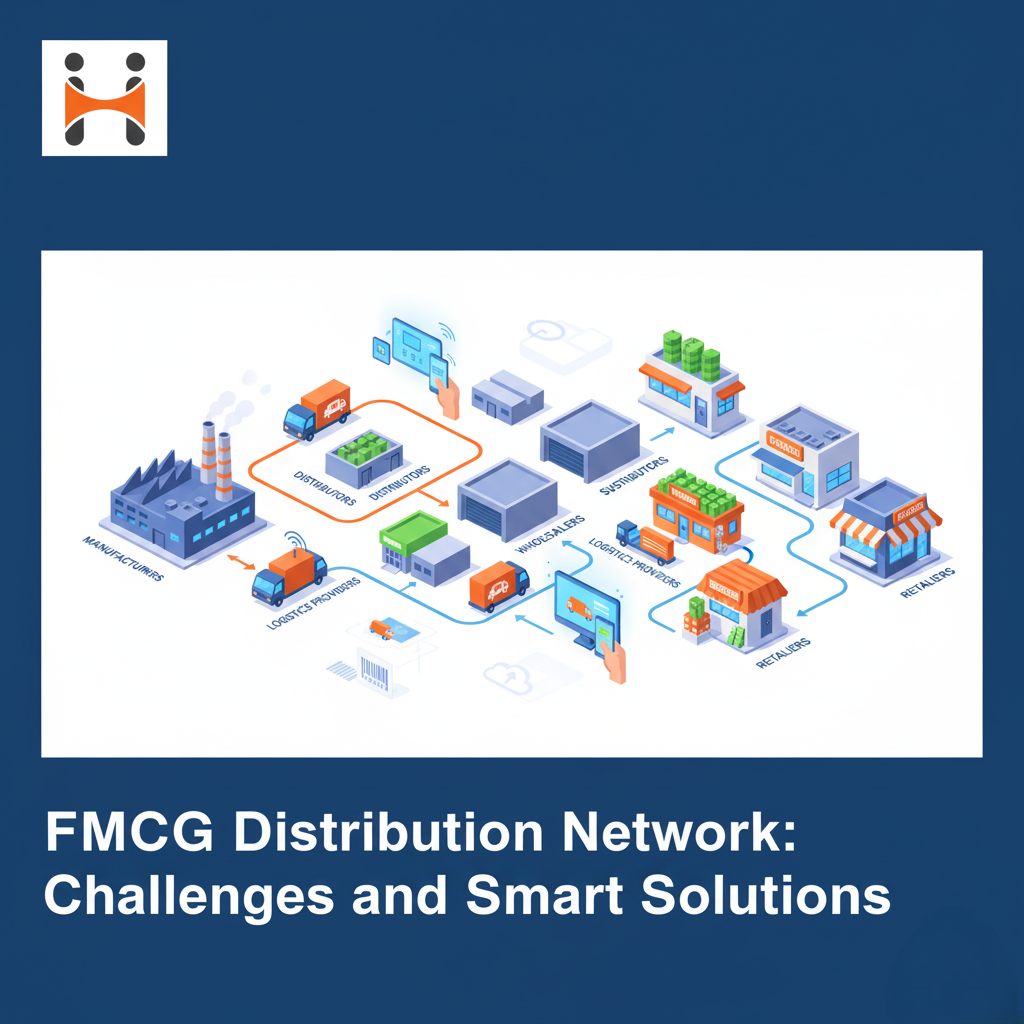
    1. FMCG Distribution Network: Challenges and Smart Solutions

      FMCG Distribution Network: Challenges and Smart Solutions

      What is an FMCG Distribution Network?

      • FMCG stands for fast-moving consumer goods, like everyday items that sell quickly.
      • A distribution network gets these goods from factories to customers.
      • Key players include manufacturers, carrying and forwarding agents, distributors, wholesalers, retailers, and logistics providers.
      • It covers more than just shipping. Think relationships between supply chain folks, sharing info, moving stock from factory to shelves, and keeping products in stores.
      • Modern stores and traditional ones both need steady supply.
      • If any part breaks down, you get stockouts, too much inventory sitting around, promotions that flop, and customers going elsewhere.
      • A good network drives business growth.

      Why Visibility in the FMCG Distribution Network Matters?

      Visibility in the distribution network is essential. Real-time data from distributors and retailers helps brands manage stock, improve cash flow, and measure promotion effectiveness.

      Common Operational Challenges in an FMCG Distribution Network

      • Strong FMCG brands hit problems when distribution has gaps.
      • Fragmented data sources.
      • ERPs, distributor reports, retailer POS data, field updates don’t connect well. This leaves blind spots.
      • Delayed reporting cycles.
      • Weekly or monthly reports move too slow for fast categories. Stockouts hit quick.
      • Inconsistent formats.
      • Distributors use different templates. Reconciliation gets slow with errors.
      • No field verification.
      • Paper marks don’t prove reps visited. This sparks disputes, adds costs, cuts trust.
      • Connectivity gaps in rural areas.
      • Small towns often lack good internet. Data capture gets spotty without offline tools.
      • Route inefficiency and missed visits.
      • Bad planning wastes time on travel. Fewer outlet visits, lower coverage.
      • Stockouts and overstocks.
      • Supply misses demand. Brands lose sales or waste expired stock.
      • Collections friction.
      • Distributor receivables mismatch retail collections. This creates cash flow issues.
      • These problems weaken the network. Fix them or efficiency, growth, customer satisfaction drop.

      What Are Some Ways You Can Approach an FMCG Distributor?

      Distributors are key to an FMCG distribution network. Winning them over takes planning. A rushed pitch rarely works. Distributors look for clarity, trust, and value.

      Research and segmentation
      Identify distributors by geography, product category, financial strength, and retailer reach. Focus on those already serving your target retail formats like kirana stores, wholesalers, or modern trade.

      Value-first outreach
      Explain what is in it for them. They highlight faster payments, easy return policies, marketing support, and visibility through digital reporting.

      Start with a test rollout
      Offer a small trial in a select territory instead of a large commitment. Provide incentives like marketing support or simpler terms in exchange for cooperation on data sharing.

      Build trust with transparency
      Give distributors tools such as shared dashboards to track sales and stock. It shows how this reduces disputes and improves route efficiency.

      Set clear operational commitments
      Define KPIs for lead times, returns handling, stock rotation, and reporting. Simple SOPs prevent misunderstandings.

      Distributors are more likely to agree when they see reduced risks, better margins, and clear support for execution.

      How Should One Find and Approach a Distributor for a New FMCG Product from a Small Company?

      For small companies, selecting the right distributor is critical.

      Map the market
      Spot which distributors dominate your category and region using field research and secondary studies. Local trade associations and wholesale markets help.

      Offer a low-risk entry
      Use small minimum order quantities and trial returns to reduce risk. Provide marketing or sampling support.

      Leverage local champions
      Referrals from respected retailers or distributors help build credibility. Social proof eases trust-building.

      Sell the economics clearly
      Show expected margins, projected sell-through, and a simple 30-60-90 day plan.

      Onboard with simple tech
      Encourage distributors to use mobile tools or photo-based bill uploads to share daily or weekly sales updates. Dashboards save reconciliation time.

      Agree on KPIs and incentives
      Tie credit terms or promotional co-funds to performance metrics like reporting, sell-through, and payments.

      Key Challenges in Managing FMCG Distributors

      Getting distributors is easy. Managing them is hard in competitive markets. Here are the main issues.

      • Trust gaps- Invoices don’t match retail sales. Reconciliation takes time.
      • Inconsistent focus- Fast sellers prioritized. Slow ones neglected.
      • Payment delays- Hurt cash flow.
      • Coverage misses- Remote outlets ignored.
      • Promotion leaks-Discounts not applied right. Wastes money.
      • Scaling woes- More products mean errors in manual processes.
      • Tech and standards fix these.

      How to Optimize an FMCG Distribution Network?

      Managing an FMCG distribution network is easier with good processes. Brands can cut errors, boost coverage, increase sales.

      Unify Data

      Link ERP shipments to distributor sales. Use one dashboard to match invoices with actual sales.

      Track Daily Sales

      Get distributors or reps to report retailer sales daily or weekly. Quick data speeds up decisions.

      Verify Field Work

      Use GPS to track visits, merchandising, collections. Timestamps cut disputes, boost accountability.

      Use Offline Mobile Tools

      Give field teams apps that sync when online. Key for rural areas.

      Standardize Reports

      Provide distributors with uniform templates. Simplifies reconciliation.

      Plan Routes

      Auto-plan routes based on key accounts, inventory needs. Send visit reminders to reps.

      Set Real-Time Alerts

      Notify for stockouts, late payments, sales drops.

      Incentivize with Dashboards

      Share live dashboards with distributors. Tie incentives to verified visits, sales, collections.

      Forecast Demand

      Mix shipment data, recent sales, field feedback for accurate predictions.

      Pilot First

      Test systems in one area. Check results, tweak, then expand.

      Clean data and simple tech cut stockouts, reduce waste, drive growth.

      Plan to Attract FMCG Distributors

      New products need good distributors to hit shelves. A clear plan helps.

      Phase 1 Discovery (0-30 days)

      Map the market. Pick distributors by region, category, retailer network. Set pricing, margins, returns, promotions. Define KPIs like sell-through goals. Finds partners fast.

      Phase 2 Pilot (30-90 days)

      Test with 2-3 distributors in one area. Track sales daily. Offer marketing support. Use simple reporting. Check deliveries, stock rotation, payments. Builds trust with results.

      Phase 3 Scale (90-180 days)

      Expand to more areas with tested processes. Give incentives like better margins or flexible credit. Automate ERP, distributor, POS data matching. Grows coverage, cuts disputes.

      Phase 4 Optimize (6-12 months)

      Standardize reports. Integrate distributor data. Automate GPS visits, route planning, daily reports. Predict demand, prioritize outlets. Boosts growth, reduces stockouts, strengthens ties.

      A clear plan makes onboarding distributors easier and faster.

      Why Field Force Automation Matters?

      Manual FMCG distribution is slow and error-prone. Automation makes teams efficient and processes smooth.

      Key Features

      Track sales and stock live.
      Use GPS to verify store visits.
      Capture data offline, sync automatically.
      Plan routes, send reminders for better coverage.
      Merge shipment and sales data into one dashboard.

      Business Benefits

      Prevent stockouts, restock faster.
      Reach more retailers.
      Cut manual errors and reconciliation.
      Boost sales with verified reports.

      Real Results

      A 60-day pilot showed GPS tracking boosted store coverage by 32 percent, cut stockout alerts by 22 percent. Simple training and clear processes made adoption easy.
      Automation improves FMCG distribution, sales, and growth.

      What’s Next?

      Optimizing your FMCG distribution network requires a combination of disciplined processes, transparent reporting, and the right technology. By unifying data, verifying field execution, standardizing distributor reporting, and leveraging daily insights, brands can reduce stockouts, improve cash flow, and strengthen distributor relationships.

      If you want, we can help design a 60-day pilot plan that pairs SOPs with field force automation-GPS-verified visits, daily sell-through capture, and a reconciled dashboard-to prove value quickly. For teams wanting to track employee locations and get daily sales visibility- book a demo to explore how happisales can optimize your operations and see how a pilot could work for your FMCG distribution network.

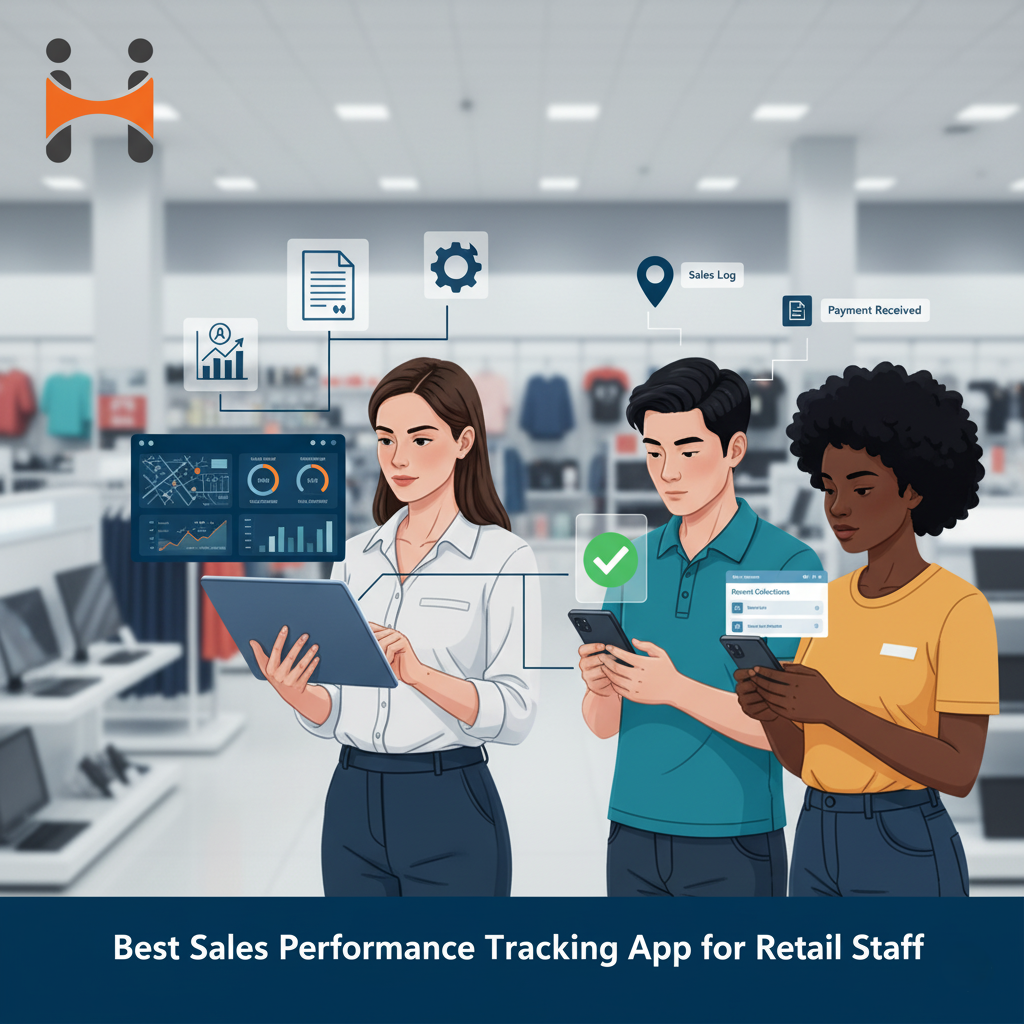
    2. Best Sales Performance Tracking App for Retail Staff

      Best Sales Performance Tracking App for Retail Staff

      Tracking retail field teams is often difficult. Missed store visits, late sales updates, and delayed collections make it hard for managers to take timely decisions. This slows down performance and creates gaps in execution.

      Happisales makes the process simple. Our field force automation software gives managers real-time visibility while retail staff can log visits, sales, and collections without delay. If you are looking for the best sales performance tracking app for retail staff, Happisales is a reliable field sales app for retail teams that helps them stay productive, accountable, and efficient.

      Why Retail Teams Need the Best Sales Performance Tracking App for Retail Staff?

      Retail field staff keep your business running. They make sure products are on shelves, promotions are carried out, and customer relationships stay strong. But without the right tools, managers are left with manual reports, delayed updates, and guesswork.

      The common problems are:

      • Missed store visits or routes not planned well
      • Not enough visibility into how each person or the team is doing
      • Sales, collections and stock updates come in late
      • Hard to track KPIs for retail staff properly
      • Staff lose motivation when there is no recognition or incentives

      The best sales performance tracking app for retail staff helps solve these issues. Managers get real-time data on visits, sales orders, and completed tasks. This improves accountability, speeds up decisions, and keeps teams productive.

      From our experience, even one missed visit can cause lost sales or empty shelves. With Happisales, managers know where each rep is, which stores are covered, and whether daily targets are being met.

      Field Sales App Features for Retail Teams

      A good app helps retail teams work smarter. Here are the main features.

      1. Real-Time Sales Tracking

      Field staff can log customer visits and sales instantly with Happisales. Managers see which stores are visited and where to focus.

      Benefit: No missed details, and managers can act fast.

      1. Order and Collection Management

      Staff can place orders, check catalogs, and record payments digitally. Managers track revenue and pending collections.

      Benefit: Less paperwork, accurate orders, and payments.

      1. Field Force Automation

      Happisales plans visits, sends reminders, and creates performance reports. This lets the team focus on selling, not admin tasks.

      Benefit: More work done with fewer errors.

      1. GPS and Location Tracking

      Happisales tracks staff locations in real time. Managers see where everyone is and can plan better routes.

      Benefit: More accountability and less wasted time.

      1. Offline Mode

      Staff can log visits, orders, and collections without internet. Data syncs when they’re back online.

      Benefit: Work continues without delays.

      1. Route Planning and Task Reminders

      Happisales optimizes routes based on store locations and schedules. Notifications remind staff of appointments.

      Benefit: Saves time and boosts store coverage.

      1. Daily Sales Reporting

      Managers get daily reports and dashboards to track KPIs like sales, orders, and visits. Reports are easy to use and act on.

      Benefit: Clear view of team performance and store coverage.

      1. Expense Tracking

      Staff submit travel or field expenses through the app. Managers review and approve them digitally.

      Benefit: Less paperwork and better expense accountability.

      1. Recognition and Incentives

      Managers can recognize achievements, send notifications, and set performance incentives. Leaderboards motivate staff.

      Benefit: Happier, more motivated employees.

      1. AI-Powered Insights

      Happisales uses AI to highlight key customers, suggest visit orders, and show performance trends.

      Benefit: Smarter decisions and better sales results.

      How Happisales Tracks KPIs for Retail Staff?

      Tracking KPIs for retail staff helps manage field teams. With Happisales, managers can track:

      • Number of store visits per day
      • Sales targets achieved versus assigned
      • Collection efficiency
      • Stock availability and order accuracy
      • Task completion rate

      Real-time KPIs let managers spot weak areas and offer support or coaching. Daily retail sales reporting app can boost team productivity by up to 25 percent. Dashboards are simple, visual, and easy to act on.

      Use Cases of Happisales for Retail Teams?

      Happisales helps retail teams work better. Here are its main use cases.

      Daily Sales Execution
      Field reps log visits and orders in the app. Managers get instant updates to ensure all stores are covered and reports are accurate.

      Collections and Payments
      Retail staff record payments on-site. Finance teams can reconcile collections right away.

      Route Optimization
      Reps use optimized routes to save time and visit more stores without overworking.

      Employee Motivation
      Leaderboards and recognition features keep retail staff motivated and focused on performance.

      Performance Insights
      Managers get AI suggestions to identify high-value customers and improve sales strategies for weaker areas.

      Why Happisales is the Best Sales Performance Tracking App for Retail Staff?

      Picking the right sales performance tracking app helps the retail teams to run smoothly. Happisales is a top choice because:

      • Field force automation for retail includes real-time tracking, AI insights, and offline mode.
      • It keeps retail staff accountable, transparent, and productive.
      • Daily retail sales reporting app features track KPI for retail staff and show clear dashboards.
      • The mobile app is easy to use, so staff can log tasks quickly without oversight.
      • The retailers says that  Happisales improves team management. One saw 30 percent more store visits in a month.

      Benefits of a Sales Performance Tracking App for Retail Staff

      • Use real-time tracking so managers can see what the team is doing in the field.
      • Automate routine tasks to give your team more time to focus on selling instead of reporting.
      • Look at analytics through dashboards and AI suggestions to find patterns and spots that need attention.
      • Reward performance by recognizing achievements and using leaderboards and incentives.

      Doing these things helps retail teams work more efficiently, sell more, and stay motivated.

      Top Features of a Field Sales App for Retail Teams

      The best sales performance tracking app for retail staff should include:

      1. Field sales app for retail teams
      2. Field force automation for retail
      3. Daily retail sales reporting app
      4. KPI tracking for retail staff
      5. GPS tracking with route optimization
      6. Offline access for remote areas
      7. Order and collection management
      8. Expense tracking and approvals
      9. Recognition and incentive tools
      10. AI-powered insights

      Happisales puts all these features in one easy-to-use app built for retail teams.

      What’s Next? 

      Start using Happisales with your team and see how it works in real situations. Make sure every retail staff logs visits, sales, and collections daily. The dashboards in the daily retail sales reporting app help you track KPI for retail staff and spot gaps quickly.

      Follow the routes suggested by the app and set reminders so your field sales app for retail teams keeps everyone on track. Use recognition and incentives to motivate the team and keep them performing well.

      With field force automation for retail, routine tasks like planning visits and sending updates happen automatically, freeing your team to focus on selling. Keep checking reports to fix issues and make sure store coverage is complete.

      Try the free trial and experience the best sales performance tracking app for retail staff in action. You’ll see how it improves productivity, sales, and overall team accountability.

    3. What Is Field Force Management Software? Features & Benefits

      What Is Field Force Management Software? Features & Benefits

      Managing field teams is not easy. Sales reps, service staff, and distributors spend most of their time in the field. Without proper tools, tracking visits, tasks, and performance is guesswork.

      Field force management software helps teams stay organized and productive. It tracks employees, manages orders and collections, and gives managers visibility into daily operations. Happisales field force software combines scheduling, tracking, and reporting in one platform.

      Why Businesses Use Field Force Management Software?

      Field teams face challenges. Missed appointments cost revenue. Manual reporting slows decisions. Poor route planning wastes time. Tracking employee performance is hard without proper tools.

      Field Force Tracking and Visit Verification

      Happisales provides field force tracking using GPS and geofencing to verify visits and ensure accountability.

      Field Force Scheduling Software for Efficient Task Management

      Use field force scheduling software to assign tasks, optimize routes, and plan daily work efficiently.

      Order and Collection Management Made Easy

      Order & collection management lets field reps record sales and payments instantly. Managers can approve and review reports in real time.

      Offline Field Force App and Real-Time Dashboards

      The offline field force app allows teams to log data without internet. Real-time dashboards give managers visibility into daily operations and team performance.

      Key Features of Happisales Field Force Software

      GPS Tracking for Employees and Route Optimization

      Track employees with GPS tracking for employees and plan the best paths using route optimization. Reduce travel time and increase coverage.

      Task and Visit Logging for Field Teams

      Log all customer interactions with task and visit logging. Keep accurate records of orders, collections, and service calls.

      Motivation Tools for Employees and Employee Performance Tracking

      Boost performance with motivation tools for employees and employee performance tracking. Managers get insights through ML-based insights to improve productivity.

      Benefits of Field Force Management Software

      • Enhanced productivity by reducing admin work
      • Increased transparency for managers
      • Operational efficiency through optimized routes and automated processes
      • Faster decision-making using dashboards and insights
      • Improved customer engagement with timely visits
      • Employee motivation via recognition and incentives
      • Scalable field operations as teams grow

      Industries That Benefit From Field Force Software

      • FMCG sales tracking and distribution management software
      • Pharma sales management and retail merchandising software
      • Financial services collections
      • Service and maintenance tracking

      How to Implement Field Force Management Software Successfully

      Start with a pilot program for field software. Train staff and managers, gather feedback, and adjust workflows. Gradually scale features like route optimization, expense tracking, and field force tracking.

      Important KPIs for Field Teams

      • Customer visit tracking
      • On-time visit percentage
      • Conversion rate per visit
      • Average travel time
      • Collections vs target
      • Active app usage

      Return on Investment From Field Force Software

      Companies see results in stages. First three months improve reporting and reduce admin work. Three to nine months increase visits and speed up orders. Nine to eighteen months optimize coverage and coaching. Happisales field force software helps improve ROI faster.

      Choosing the Right Field Force Management Software

      • Offline support and data syncing
      • GPS tracking, geofencing, and visit verification
      • Field force scheduling software for task management
      • CRM or ERP integration
      • Real-time dashboards and reports
      • Field staff training and onboarding
      • Scalability as teams grow

      Why Choose Happisales Field Force Software?

      Happisales platform is simple and practical. Log visits, orders, collections, and expenses easily. Works offline. Provides ML-based insights, notifications and reminders, and motivation tools for employees. Improves operational efficiency and employee performance tracking.

      Try a Happisales demo or start a Happisales trial Call- +91 9944585452 .

      What’s Next?

      Field force management software helps managers track operations and improves team efficiency. With Happisales field force software, scheduling, tracking, and reporting are simple. Teams stay accountable, managers stay informed, and customer service improves.


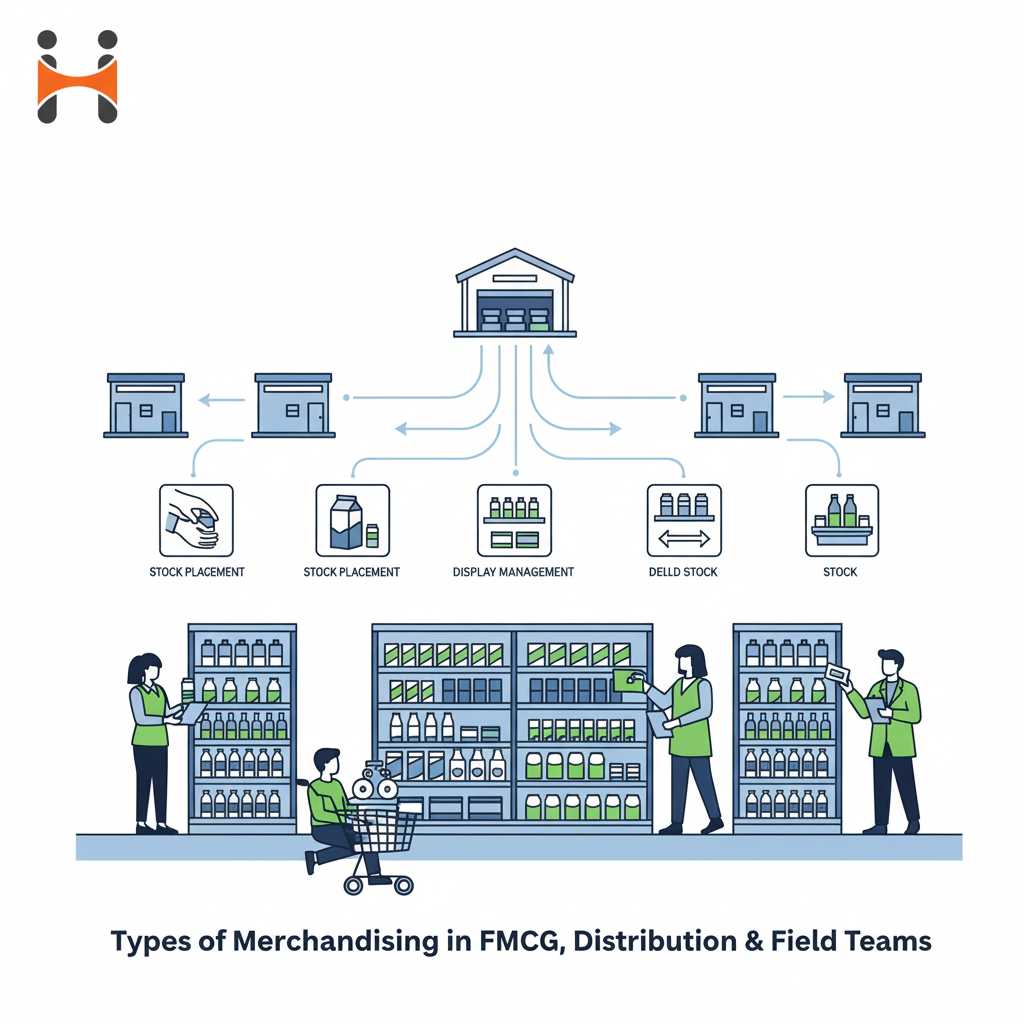
    4. Types of Merchandising in FMCG, Distribution & Field Teams

      Types of Merchandising in FMCG, Distribution & Field Teams

      Merchandising plays a key role in FMCG, pharma, retail, and distribution. How products are displayed, managed, and sold affects sales, customer satisfaction, and operations. Businesses that want to track employee locations and improve field work need to understand the types of merchandising and use the right tools.

      At Happisales, we help distributors, retailers, and field teams handle merchandising smoothly while keeping inventory accurate and operations transparent. In this blog, we cover the main types of merchandising, common challenges, and how field force automation works in real situations.

      How Merchandising Supports FMCG and Distribution Operations?

      Merchandising covers all the work that helps sell products in retail and distribution. It is more than just placing items on shelves. It ensures products are available, visible, and attractive while giving your operations team useful data.

      Key activities in merchandising include:

      Product Placement

      Making sure products are easy to see and buy

      Inventory Management

      Keeping the right stock levels to avoid running out or having too much

      Promotional Execution

      Carrying out in-store promotions, discounts, and offers

      Retailer Engagement

      Building strong relationships with retailers to keep products available and follow compliance

      For businesses with field teams and distributors, merchandising includes field merchandising. This is the work done in stores to keep products in stock and make sure promotions are done correctly

      Main Types of Merchandising

      Merchandising can be divided into different types, each with its own goals, challenges, and benefits

      1. Field Merchandising

      Field merchandising is the work done by sales reps, merchandisers, and distributors in stores. We ensure that products are available, displayed properly, and sales opportunities are captured

      Key parts of field merchandising include:

      Shelf Audits
      Checking that products are placed correctly, fully stocked, and look appealing

      Order Capture
      Recording sales orders directly at the retailer

      Promotional Execution
      Carrying out in-store promotions and discounts

      Retailer Training
      Teaching store staff about product features, benefits, and promotions

      Personal Experience
      In our work with FMCG distributors, field merchandising proved very effective. Reps regularly conduct shelf audits and engage with retailers. This helps spot stock gaps and fix them before they affect sales. One client saw a 40 percent drop in order rejections within three months after setting up structured field merchandising processes

      Field merchandising is operational and links directly to inventory visibility, order management, and field force accountability. Software like Happisales makes this process easier.

      2. Product Merchandising

       Product merchandising focuses on organizing, pricing, and presenting items to boost appeal and sales. It overlaps with field merchandising but centers on the product rather than the execution.

      Key parts of product merchandising include:

      Product Placement
      Making sure high-demand items are easy to find

      Stock Rotation
      Tracking expiration dates and batches to reduce waste

      Price Accuracy
      Keeping prices correct across all locations

      POS Material Implementation
      Using banners, tags, and displays to promote products

      With tools like Happisales, sales reps can access product details and pricing on their mobile devices. This reduces errors, ensures compliance, and allows accurate order capture.

      3.  Trade or Promotional Merchandising

      Trade merchandising is about running promotions, discounts, and campaigns at the retailer level. It aims to influence buyers, increase sales, and make products more visible.

      Key parts of trade merchandising include:

      • Discounts and promotional offers
      • In-store displays and point-of-sale materials
      • Incentive programs for retailers
      • Campaign tracking and reporting

      The main challenges are inconsistent execution and difficulty tracking compliance across multiple stores. Happisales lets field teams record promotions in real time, so managers can track execution and results easily.

      4. Visual Merchandising

      Visual merchandising focuses on how products look and how appealing they are. While common in retail stores, it is also important in FMCG and distribution.

      Key parts of visual merchandising include:

      • Store layout optimization
      • Attractive displays and shelving
      • Placing high-margin or promotional products strategically
      • Keeping branding and signage consistent

      Visual merchandising depends on operational support from field teams. Even the best displays fail if products are not available or stock is outdated. Happisales helps by providing real-time stock visibility, accurate order placement, and timely replenishment.

      5. Digital Merchandising

      Digital merchandising is growing in importance with the rise of e-commerce and online retail.

      Key parts of digital merchandising include:

      • Accurate product listings and descriptions
      • Online promotions and campaigns
      • Managing customer reviews
      • Integration with digital ordering platforms for retailers

      Field teams help by making sure offline stock matches online listings. Software like Happisales keeps data synced between physical stores and digital channels.

      Top Issues in FMCG and Distribution Merchandising

      Even with clear merchandising strategies, businesses face several problems:

      1. Stockouts and Overstocking
        Without accurate inventory data, stores may run out of stock or have too much
      2. Inconsistent Execution
        Field reps may follow strategies differently across locations, causing uneven brand experience
      3. Manual Reporting
        Tracking merchandising activities by hand takes time and often has errors
      4. Employee Monitoring
        Supervising field teams and keeping them accountable is hard without real-time tracking

      These issues can lead to lost sales, unhappy retailers, and operational inefficiencies

      How Field Force Automation Supports FMCG Merchandising?

      To solve merchandising challenges, many businesses use field force automation platforms like Happisales. These tools combine merchandising with inventory management, order capture, route planning, and employee tracking.

      How Happisales Supports Field Merchandising?

      • Real-Time Inventory Visibility
        Sales reps and managers can see livestock across locations. This ensures accurate orders and reduces stockouts.
      • Offline Access
        Field staff can log orders, updates, and notes without internet. Data syncs automatically when connectivity returns.
      • Route Optimization
        Happisales plans efficient travel routes for field reps, cutting travel time and covering more stores.
      • Expense and Activity Tracking
        Track field staff visits, activities, and expenses to give managers useful insights.
      • Employee Location Tracking
        Managers can see field staff locations in real time, improving accountability and resource allocation.
      • Analytics and Reporting
        Happisales generates detailed reports on team performance, merchandising compliance, and operations. Managers can make decisions based on data.

      Personal Experience
      After using Happisales, a client in South India saw clear results. Field reps logged orders offline, routes were optimized, and managers tracked employees in real time. Orders were captured faster, stockouts dropped, and sales increased.

      Best Practices for Effective Field Merchandising

      To get the most from field merchandising, companies should follow these practices

      1. Regular Training
        Give field staff the knowledge they need about products, merchandising standards, and technology tools
      2. Consistent Communication
        Keep open channels between field teams and managers to address issues quickly
      3. Data-Driven Decisions
        Use insights from software to adjust merchandising strategies in real time
      4. Technology Integration
        Use field force automation to streamline work, track activities, and improve efficiency
      5. Performance Monitoring
        Check team performance regularly and provide feedback to help them improve

      Why FMCG and Distribution Companies Should Use Field Merchandising?

      Companies that use field merchandising with technology see clear results

      1. Better Stock Availability
        Products are available when needed and waste is reduced
      2. Stronger Retailer Relationships
        Orders are fulfilled on time and promotions are executed properly
      3. Higher Team Accountability
        Real-time tracking keeps field staff responsible for their work
      4. Increased Sales Efficiency
        Route planning and optimized visits help reps cover more stores
      5. Improved Decision-Making
        Analytics and reports provide actionable insights for managers

      Example
      One FMCG distributor saw a 40 percent drop in order rejections within three months of using Happisales. Field reps checked stock on their mobile devices before taking orders, ensuring customers got products reliably

      What’s Next?

      Merchandising is more than placing products on shelves. In FMCG and distribution, it combines field execution, operational visibility, and data-driven insights. Field merchandising makes sure products are available, orders are accurate, and promotions run smoothly.

      Happisales connects field teams, back-office staff, and managers with real-time data. This helps businesses improve merchandising, satisfy customers, and grow sustainably. click here for 14 days free and simplify field merchandising, inventory tracking, and team management with no credit card required.

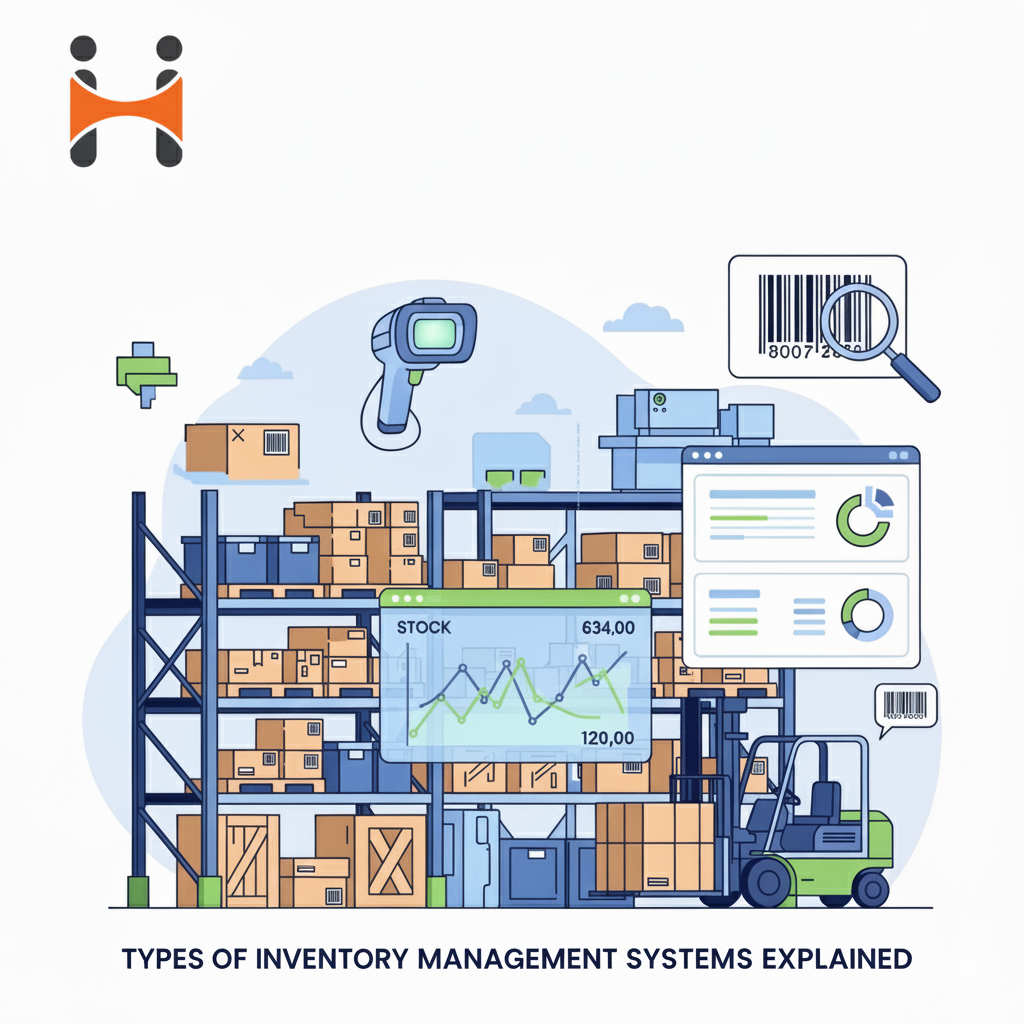
    5. Types of Inventory Management Systems – Explained

      Types of Inventory Management Systems – Explained

      Running a business today means you can’t afford stockouts, delays, or messy inventory. If you’re in FMCG, pharma, retail, or distribution, your stock is the backbone of everything. The system you use to manage it isn’t optional anymore. It decides how smooth your operations run and how happy your customers stay.

      At Happisales, we work with companies that depend on field staff, distributors, and sales reps to keep things moving. One issue comes up again and again – no clear view of inventory. Managers often ask themselves simple but important questions. Do I know the stock levels right now? Are my reps placing orders based on what’s really available. How do I stop overstocking or empty shelves without slowing down sales.

      This blog breaks it down. We’ll walk through the types of inventory management systems, what each does well, where they fall short, and how modern tools like Happisales bring inventory and field force tracking together so you get full control.

      What are the different types of inventory management systems?

      Different businesses need different inventory systems depending on size, transaction volume, and industry. Here are the main ones.

      1. Perpetual Inventory System

      This system updates stock in real time with every sale, purchase, or return. It usually connects with POS, ERP, or field sales apps so stock levels adjust automatically.

      Pros

      • Real-time visibility
      • Fewer stockouts
      • Works best for FMCG and high-volume businesses

      Cons

      • Requires tech investment
      • Teams need training

      From experience, we worked with a large FMCG distributor that switched from spreadsheets to a perpetual system. Their sales reps now check stock on their mobile app before taking orders. Order rejections dropped 40 percent in three months.

      2. Periodic Inventory System

       This system counts stock at set intervals like monthly, quarterly, or annually. Books are only updated after each count.

      Pros

      • Low cost
      • Good for small businesses

      Cons

      • Stock data is outdated between counts
      • Higher chance of stockouts or overstocking

      This can work for small local retailers. For distributors managing thousands of SKUs, it quickly becomes inefficient.

      3. Just-in-Time (JIT) Inventory

       Made popular by Toyota, JIT keeps inventory low and replenishes only when needed.

      Pros

      • Lower carrying cost
      • Less waste

      Cons

      • Risk if suppliers delay
      • Works only with predictable demand

      This system suits businesses with stable demand cycles. For FMCG or pharma, were demand spikes often, JIT can leave shelves empty.

      4. Barcode and RFID Inventory Systems

       These systems track products with barcode scanners or RFID tags. Each SKU is tagged and updated instantly during stock movements.

      Pros

      • Fast and accurate
      • Cuts manual errors

      Cons

      • Higher setup cost
      • Needs strict discipline

      We’ve seen pharma companies use this to track medicines by batch, which helps with compliance and reduces expired stock losses.

      5. Cloud-Based Inventory Systems with Offline Support

      This is the most advanced option in use today. Inventory data is stored on the cloud so reps, managers, and warehouses see the same numbers. Orders can be logged offline and synced later.

      Pros

      • Works across locations
      • Mobile-first for field reps
      • No sales lost in poor network areas
      • Easy to link with ERP and CRM

      Cons

      • Ongoing Subscription Cost (though ROI is usually higher)

      One of our Happisales clients in South India had issues with poor connectivity in Tier 3 towns. After moving to our offline-first system, their reps never missed an order. Everything syncs automatically once they’re back online.

      How to Choose the Right Inventory Management System for Your Business?

      Which system you choose depends on a few factors.

      • Business size – small shops often start with periodic systems.
      • Industry – FMCG and pharma work best with perpetual, cloud-based systems.
      • Transaction volume – high-volume distributors benefit from automation.
      • Geography – businesses in semi-urban or rural areas need systems that work offline.

      Happisales usually recommends cloud-based, perpetual inventory systems for growing businesses. They scale well, improve accuracy, and give real-time visibility – things every modern business needs.

      How Happisales Goes Beyond Traditional Inventory Systems?

      Traditional systems track stock but rarely connect with field sales. Happisales is built differently.

      Our software brings together:

      • Real-time stock visibility – Reps check livestock before placing orders.
      • Offline mobile access – Orders logged offline sync once online.
      • Expense tracking and approvals – Managers handle claims alongside inventory data.
      • Route optimization – Reps plan the most efficient travel routes.
      • Team motivation tools -Track performance, set incentives, and recognize achievements.

      With Happisales, sales teams, back office, and warehouses all work on one platform.

      Why Inventory and Field Force Automation Matters in Distribution Management?

      When I began analyzing sales operations for distributors, I kept hearing the same issue. Sales reps took orders without knowing what was in stock. By the time the warehouse was checked, items were often unavailable.

      This hurt credibility with retailers and damaged supplier relationships.

      After implementing Happisales, the change was quick.

      • Reps stopped committing to stock that wasn’t there.
      • Managers saw inventory in real time.
      • Retailers got faster and more reliable service.

      It confirmed my view that combining inventory and field force automation is not optional. It is the future of distribution management.

      What’s Next?

      Inventory management keeps your business running. The system you pick will decide if you grow smoothly or get stuck with delays and errors. Small businesses can manage with periodic counts. But distributors and FMCG brands aiming to scale need systems that are real time, cloud based, and work offline. Happisales goes beyond stock tracking. It connects your field team, back office, and warehouse in one platform.

      Start a 14-day free trial with no credit card needed and see how Happisales makes inventory, sales, and employee tracking work together.

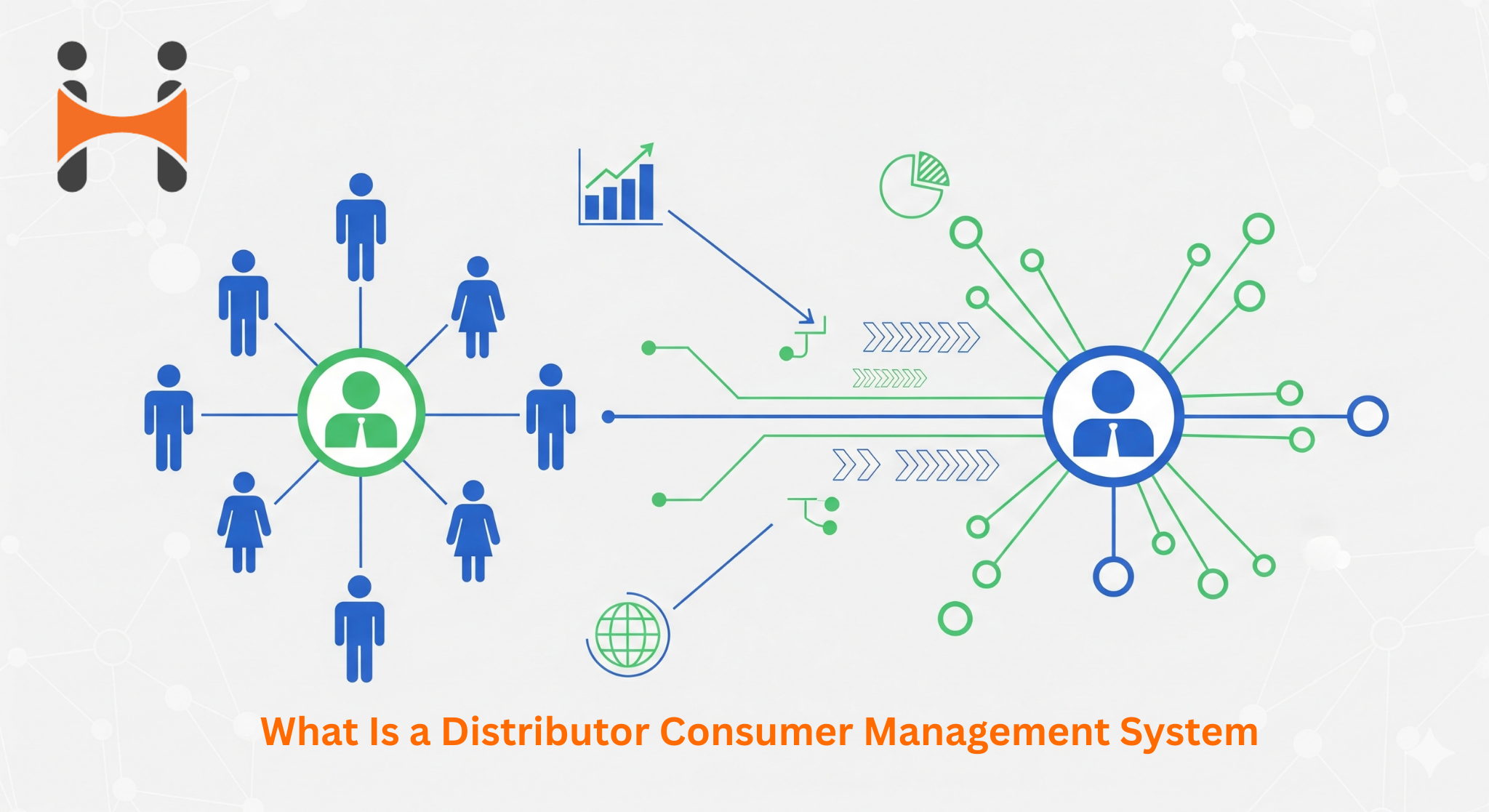
    6. What Is a Distributor Consumer Management System?

      What Is a Distributor Consumer Management System?

      What Is a Distributor Consumer Management System and Why Your Business Needs It?

      Running a distribution business in India isn’t easy. Stock sometimes runs out, orders get delayed, and sales reps may log visits they didn’t really make. Collections pile up, and managers often work with reports that are already old.

      A Distributor Consumer Management System helps fix this. It does more than billing or POS. It connects your stores, field teams, and back-office so you can see what’s happening, keep your team accountable, and run operations smoother.

      Happisales made its system for Indian businesses that want to track employees responsibly, make field work easier, and get collections done faster without making the software complicated.

      What Exactly Is a Distributor Consumer Management System?

      • Sales visits made easy: A sales rep visits a store and places orders on their phone. Payment is recorded instantly.
      • Real-time inventory updates: Warehouse sees stock changes immediately, preventing stockouts.
      • Expense tracking simplified: Travel or delivery costs are logged in the app and quickly approved by the manager.
      • Manager oversight: Managers can see rep locations, which stores were visited, and pending orders.
      • One hub for operations: From order to delivery to collection, everything is tracked in real time, keeping stores, field teams, and finance on the same page.

      The Challenges Indian Businesses Face

      When we work with distributors, FMCG companies, and retail chains, few problems keep coming up, they are:

      1. No real-time visibility
        Field reps and stores often don’t work on the same timeline. Orders from the field reach the warehouse late or sometimes not at all. Stock data is old, shelves empty, sales missed, customers unhappy
      2. Manual stuff causes losses
        Using Excel, WhatsApp, or paper slows things down. Collections take longer, expense claims pile up, revenue quietly goes missing
      3. Accountability and coaching weak
        Managers don’t have proper data. They cant be sure if reps visited customers, what happened there, or why sales dropped. Coaching ends up guesswork not based on real numbers

      How a Distributor Consumer Management System Solves These Problems ?

      Real-time order and inventory sync

      It keeps everything updated so nothing slips through the cracks.

      • Orders they take on mobile update right away or as soon as the network is back
      • The inventory adjusts automatically to avoid stockouts or duplicate deliveries
      • This means faster deliveries and happier customers

      Employee location tracking with geotagged visits

       It lets managers know where reps are during work hours without overstepping privacy.

      • They can track locations only during working hours
      • Photos and notes tagged with locations confirm the visits
      • The coverage reports help them coach reps more effectively

      Planned beats and route optimization

      It automatically plans routes to save travel time and let reps meet more customers.

      • The routes are based on geography and customer priority
      • They can visit more stores per day
      • This lowers fuel and travel costs

      Offline-first mobile app

      It allows reps to work even when the network is bad.

      • They can log orders, expenses, and notes offline
      • The data syncs automatically once the connection is back
      • This works well in Tier-2 and Tier-3 cities
      • It ensures they don’t miss opportunities due to weak networks

      Order-to-Collection Flow

       It covers everything from taking the order to generating the invoice, collecting payment, and reconciling accounts.

      • Managers see dashboards with alerts for overdue collections
      • This helps them improve cash flow, speed up collections, and reduce DSO

      Expense Tracking and Approvals

       Reps submit bills and receipts through the app.

      • Managers approve or reject them with a single click
      • The data syncs with payroll or ERP
      • This lets them process reimbursements faster, get clearer visibility into expenses, and simplify accounting

      Analytics, KPIs, and Smart Recommendations

       It tracks over 15 metrics like daily visits, order conversion, average order size, and route adherence.

      • Smart suggestions show which customers they should focus on and which reps need coaching
      • This helps them make decisions based on real data and steadily improve performance

      Why This Matters for Indian Businesses?

      Affordable with fast ROI

      Many small and mid-sized business worry about software costs. They see results like faster collections and fewer stockouts within 60 to 90 days. It usually pays for itself quickly.

      Easy to use

       Field reps don’t need long training. They can use it on their phones, in local languages, and learn it in one session.

      Builds trust

       It tracks only during work hours. Managers see the data they need, and reps feel respected. This makes them more likely to use it and keeps the team motivated.

      Practical Examples from Real Customers

      • A regional distributor cut stockouts by 30 percent in three months by syncing field orders with the store inventory. It helped them keep the shelves full and satisfy customers.
      • A sales manager increased daily customer visits by 22 percent using route planning. They also saw their collections improve at the same time.
      • An FMCG company shortened reimbursement timelines from weeks to the same week. It made the field team happier and saved the HR team time.
      • These results came from setups that matched the real workflows. They didn’t force big changes, and that’s why the teams adopted it quickly.

      Tracking Employee Location Responsibly

      Tracking employees the right way is key to building trust.

      Time-window tracking
      Track only during work hours. They don’t need to worry about being monitored outside of work.

      Data minimization
      Keep only what’s necessary, like visit timestamps and geotags. It avoids unnecessary clutter and keeps things simple.

      Access controls
      Only the managers who need the data can see it. They don’t get access to information they shouldn’t.

      Retention policies
      Old logs are deleted automatically. It keeps the system tidy and secure.

      Following these practices lets the business get visibility without hurting trust.

      How a DCMS Differs from Basic POS or RMS?

      • A POS only handles transactions. It does not show them what is happening in the field.
      • A basic RMS tracks inventory and generates reports. It still does not give them real-time updates from the field.
      • Happisales DCMS brings together POS, RMS, field force automation, offline use, employee tracking, and analytics.
      • It lets them connect field activities to sales, see who is covering which areas, and reduce gaps in order-to-cash.

      Steps to Roll Out Happisales Smoothly

      • Start with a pilot in one or two regions with 10 to 30 reps. This helps them get used to the system without overloading.
      • Look at how they work now and fit those processes into the system. Don’t force big changes, it confuses them.
      • Keep training short and give small rewards so they actually want to use it.
      • Expand slowly, region by region, and watch the KPIs to see what needs changing.
      • Use analytics to improve routes and help with coaching.
      • They take to the system faster when they see quick wins like faster reimbursements and less time on road.

      KPIs to Track Success

      • Stockouts percentage
      • Orders per rep per day
      • Delivery time in hours/days
      • Collection timelines/DSO
      • Expense processing time
      • Active rep adoption rate
      • Trial-to-paid conversion

      Note: Start by noting baseline numbers. Check weekly for the first 90 days, then monthly.

      Common Pitfalls and How to Avoid Them

      Trying to do everything at once usually backfires. They should focus on order capture and route planning first when using a distributor and consumer management system.

      Change management can get messy if people don’t see progress. Keep KPIs visible, training short, and reward small wins. Field force automation software helps track these improvements in real time.

      Tracking can feel like spying if not done right. Limit it to work hours and be transparent about what you track. Sales tracking software can make this easier without being intrusive.

      ERP integrations often slow things down. Plan them early so the team doesn’t end up repeating work and data stays synced across the system.

      What’s Next?

      A distributor and consumer management system with field force automation, offline features, and responsible employee tracking can really change how they work.

      It helps them handle sales better, collect payments faster, and keep their teams accountable without breaking trust with the field staff.

      If they want to track employee locations, plan smarter routes, and avoid stockouts, Happisales make it simple and reliable.

      Discover how our game-changing solution can transform your daily operations. Start your 14-day FREE trial today – no credit card required! See the difference for yourself and take control of your success.

      Click here to start your free trial!

    7. 4 Reasons to Boost Your Customer Support with Field Sales App

      4 Reasons to Boost Your Customer Support with Field Sales App

      When it comes to the success of any organization, two factors top the list: (i) customer retention and (ii) acquiring new customers.

      And the prior relies heavily on customer satisfaction and support. To achieve that, organizations have to try out innovative measures.

      As the sales team is one of the teams that interact closely with the customers, next only to the customer support/service team, they need the right set of tools and technical assistance to negotiate the customers’ support and service-related challenges.

      Only offering consistent support and service operations can satisfy and engage customers. With such an approach achieving 100% customer retention won’t be a painful process.

      But, the real problem for most companies today is that they don’t have the proper mechanism to manage sales, field sales, and support activities. This impacts customer satisfaction, leading to an increase in customer attrition rate.

      To avoid that, the sales team must be powered with cutting-edge tools to improve customer satisfaction and support.

      Field sales application is one exciting tool that can take your customer service and support operations to the next level.

      Want to know how the field sales app can help?

      According to the latest report from Marketwatch.com, the Field Force Automation market revenue was $Million USD in 2016, grew to $Million USD in 2020, and will reach $Million USD in 2026, with a CAGR of $during 2020-2026.” (Sic)

      Field force applications have started to impact the sales operations for many companies, and this trend is set to continue over the next 4-5 years at least.

      This post will walk you through how field force automation solution transform customer service and support.

      Negotiating real-time data lack

      The most common reason for client disengagement is delayed service or late responses to queries. As most field sales and sales team professionals don’t have the correct data at the right time to deal with customer feedback or questions instantly, they face the ire of customers directly. 

      Negotiating this challenge of data lack is critical for improving the business and customer retention.

      A field sales app is a potential option to negotiate this challenge. The app provides professionals with real-time customer data and enables them to take immediate action. The entire process becomes transparent; customers and sales professionals can track the responses quickly and efficiently in real time. This saves time for both and helps improve the satisfaction rate.

      Improving customer retention won’t be an uphill task for many with this approach.

      Collecting customer data accurately for marketing

      Accurate data is critical for marketing efforts. It is the data collected by sales team that marketers mostly use to improve optimizations. If the information provided is inaccurate and has manufactured errors, then targeting the customers with innovative and personalized campaigns won’t be fruitful for companies.

      With a field sales tracking app in the process, the field sales team can deliver goods/render service to customers and collect data accurately, as the entire process is automated, to share with marketers. This saves much time for both. Marketers, on the other hand, can use the correct data to create campaigns that win customers’ trust.

      Updating accurate information in the CRM

      Data plays a critical role in any organization’s improvement, which is why most call data king of organization. Without a proper system to collect customer data, field sales executives collect data from customers manually and update the same in the CRM the same evening or the next day. The process takes a long and impacts the sales cycle. 

      If the data entered is incorrect, the chances of serving the customers with the proper techniques may fail significantly.

      A reliable field service software makes interacting with customers and collecting accurate data a breeze. As the field sales team is powered by a mobile-friendly tool in the form of a field sales app, they don’t have to wait for the complete day; rather can update the customer data instantly in the CRM without hassle. Other departments can use the data to serve the customers better.

      Assessing customer queries/feedback instantly 

      The best way to satisfy a customer is when they need the business’ support, especially in situations when they run into a roadblock. Most manual systems won’t have any provision to address such scenarios. 

      Assessing customer feedback for product delivery or resolving tickets can be grueling if the field sales team doesn’t have any data instantly. Manual data collection and analysis takes time and delays customer support operations, leading to customer fury.

      Implementing a field assist app for the sales team will simplify the process significantly. A mobile application during travel and delivery to customers will help them discover queries or feedback instantly and pass it on to the relevant teams immediately to take necessary actions. 

      The entire process of responding to customer queries is expedited, leading to quick solutions for customers and improving their trust in the business.

      Other benefits of having a field sales application

      Below are some benefits for organizations using field sales applications to boost their sales operations.

      • Unparalleled sales operations and customer experience
      • Advanced Customer Relationship Management
      • Improved field sales performance and efficiency tracking
      • Route optimization and on-time delivery
      • Optimized sales strategy for rapid business growth
      • Room for marketers to cross-sell and up-sell
      • Faster decision making
      • Faster customer service
      • Improved customer satisfaction

      So, by all means, a sales tracking software can transform the entire sales process to improve customer service and support operations. On the other hand, the app also simplifies the field sales activities and the sales manager’s day-to-day chores. 

      Above all, it provides the entire team with accurate real-time data to expedite customer service operations and contribute to improved customer satisfaction and retention.

      Wrapping up

      Field sales apps do come up with a plethora of benefits for organizations. Nevertheless, many companies still haven’t leveraged the tool’s potential as they fear implementation challenges. 

      Partnering with the right vendor matters to enjoy the complete benefits of the tool. 

      Companies must do the proper groundwork before finalizing field sales app implementation partner as the idea can rock or ruin the business depending on the vendor selection.

      Looking for a reliable field sales app solution partner? Get free consultation now.

      Want to explore the features of the app?

    8. Implementing Field Force Software: Simple and Painless (with Right Strategy)

      Implementing Field Force Software: Simple and Painless (with Right Strategy)

      The advancement of technology, smartphones, and mobile applications have significantly transformed the field sales operations over the past five years. 

      The Field Sales Software market has grown from USD million to USD million from 2017 to 2022. With a CAGR of this market is estimated to reach USD million in 2029 (Source: Market Watch).

      Yet the top management teams of many SMEs hesitate investing in field service software, fearing implementation failures. 

      I have listed some challenges that stop SMEs from field sales management software investment. 

      1. Is it a must for the business
      2. Time taken to implement the solution
      3. Post-implementation support
      4. Unsure about the complete benefits
      5. Employee buy-in
      6. Finding the right implementation partner

      They are right so. But, in practice, implementing the field sales automation software is simple and seamless, provided the project is handled by the right team with the right strategy. 

      Still not convinced? In this post, I have come up with some interesting pointers that might help you experience a seamless and effective field sales implementation journey to take your business to the next level. 

      Before getting started, let’s sneak peek at what field sales software is and why businesses should implement one for their business. 

      What is field sales software?

      Performing all the field sales operations and reporting to the managers on the same day manually consumes much time for executives and managers. This impacts the business’s productivity, sales cycles, time, and RoI. 

      Automating the field sales operations with mobile sales app simplifies the woes of the managers and executives. The software eliminates the unnecessary delays in the process and expedites the sales cycle, saving time for both and helping improve the RoI of your business staggeringly. 

      Now, it’s time to focus on the core, that is, why implementing field sales software is a breeze for some businesses and a headache for many. 

      Why you need a field sales automation software 

      It’s a good practice to ask why before investing in any technology, and field sales mobile app isn’t an exception. Of all the factors that impact any business and operations, RoI and customer experience top the list. 

      You can meet your business goals and satisfy your customers with manual operations. Yet, what if you can increase your customer experience and RoI multi-fold? Yes, you can, with field force automation software. 

      Automation can simplify many processes, improve staff collaboration, and bring transparency to the complete sales cycle. What else do you need? You can safely invest in field force automation.

      Time taken to implement the solution

      Most companies fear this part. The cost and time taken for software implementation. Unlike other digital transformation solution implementations like IoT, AI, or RPA, deploying a field force software won’t take long. It is just a matter of hours to get the complete setup installed. 

      Depending on your requirement, you can implement the app in Cloud (monthly billing) or on-premise (one-time billing).

      Also, the cost of implementing the solution is less than what you will get back after deployment.  

      Post-implementation support

      Many SMEs fear this. No denying the fact that it is critical for the seamless business operations of a company. The answer relies in the vendor you’ve picked for your implementation part. 

      I will help you with how to find the best field sales software implementation partner in the upcoming sections. 

      Most reputed companies often package their product with post-implementation support and have their support team ready 24/7 to help their clients. 

      So, you don’t have to worry about the support after deployment. 

      Unsure of the field sales software benefits

      If you fear investing in a field sales app because of not having a complete idea about the benefits, I have listed some of the benefits of field sales software.

      • Efficient scheduling and dispatching
      • Streamlined productivity
      • Personalized customer experiences
      • Optimized route planning
      • Improved inventory management
      • Faster deal closures
      • Faster payment processing
      • Real-time data sharing
      • Seamless integration with CRM and other systems

      Employee buy-in

      Another exciting challenge that can’t be overlooked. Yes, it is a must for any business investing in new technology to get its employees’ consent before signing the project. 

      Your field sales team will use the solution; if they are not inspired, there is no point in deploying in one. Why do you need a solution that no one is interested in? It will produce only catastrophic results for your business. 

      The key to mitigating the above challenge partially relies on the internal and implementation team. This is why partnering with a best-in-class implementation provider is all-important. 

      The internal and external team should interact with the field sales executives and managers to help them realize the unlimited potential of the solution and how it might simplify their day-to-day operations to improve their efficiency. 

      Also, you can talk to them about the solution’s reward system, which will help employees perform well for the month or week. 

      Interact with the implementation partner to get the employees a free trial of the solution to understand how it works and helps them. This plays a massive role in getting their approval. 

      Providing such valuable information helps everyone in the company to understand the solution better and pushes them to make positive decisions. 

      So, you don’t have to worry about the employee buy-in challenge. 

      Partnering with top fields sales software implementation vendor

      The most important and tricky part that most businesses falter. 

      Your business is like a sinking tank if you can’t partner with the right vendor for your implementation efforts. 

      On one side, you’ll be losing quite some money on the implementation front, and you won’t have their consistent support with respect customer related issues in the future if they don’t have the right experience and talents. 

      Tips for finding the reliable implementation partner

      1. Find a full-stack app development company
      2. Check their years of experience
      3. Check their clientele, ask for case studies and references
      4. Interact with their technical talents to understand their abilities
      5. Ask about the knowledge they have with similar clients
      6. Check customer testimonials and feedback online, including on websites and social media
      7. Ask about project cost and implementation time, get a roadmap
      8. Ask for a free trial, and ask your internal team to use the app
      9. Talk openly about post-implementation support, analyze their terms and conditions

      With this approach, you can partner with the suitable vendor to implement your solution. 

      Summing up

      Implementing the field sales app is simple and seamless if you take the right approach. 

      The RoI and customer experience always contribute to the faster growth of any company. 

      And, field sales automation software can quickly multiply your customer’s experience and skyrocket your RoI. 

      Have any queries? Want to know about field sales software? We are experts. 

      Want to see how the solution works?

      Visit: https://blog.happisales.com/

    9. Field Service Management: How to Simplify Business Operations

      Field Service Management: How to Simplify Business Operations

      A common challenge that most SMBs face today is the insufficient time leading to declined productivity. Of the many factors that contribute to productivity lapse are manual processes, systems, and tools. 

      Still, many companies rely on manual processes believing they are cost-effective and easy to use. 

      But, in practice, they’re not. Manual systems and tools often need much money for management and hamper employee productivity. 

      Just imagine, what if your field service teams have to spend nearly 3 hours every day inputting the field data to the report sheet. With such activity, it makes no sense to blame the employees for the delay in the customer meetings and task completions. 

      Field service manual operation challenges

      1. Time-consuming and labor-intensive
      2. Inaccurate data
      3. Delayed scheduled appointments
      4. Difficulty in field sales route planning and tracking
      5. Poor data integration to the CRM
      6. Expensive to maintain and manage
      7. Chained to desktops to input data
      8. Production delays
      9. Unhappy customers
      10. Negative RoI

      When such things happen in a company, a possible outcome will be below-par customer service and experience. What could this mean to your business? Of course, you’ll be losing many customers in a quick interval of time. Remember, when a customer moves to another brand, chances are less that they will revisit your brand. 

      Business processes and systems in a company should be in a way that they not only help your company deliver unparalleled customer experience. It also present your company with new revenue-boosting opportunities. 

      Looking for options to overcome the field service employee shortcomings and productivity hampering?

      This post has covered a widely deployed solution to accelerate your productivity and field service operations. 

      Digital advancements have transformed almost all departments of SMBS, and field sales is no exception. 

      Of the many solutions, if there is one solution that boosts the field sales operations of many companies today, it is field sales management software

      Let’s discuss how the emerging software helps the field sales team and accelerates their operations. 

      Simplifies field sales operations with real-time data sharing

      Field service employees leave the business premises every day to meet customers. The manual routes and task allocation sometimes hamper productivity. 

      The challenges are that the routes may not be feasible for transporting due to bad weather and roads. This can delay the customer meetings, leading to frustrated customers. 

      Also, updating the field service data after customer meetings is daunting as they have to enter every piece of information in the evening. There are two problems: (i) collecting the data from customers without any mistakes and (ii) interpreting the same data without any errors in the CRM. 

      Both are challenging when performed manually. Think how better it would be if your field service team could update the customer data in real-time from the customer place to CRM without breaking a sweat. This could save much time for your service manager and field sales executive. 

      Yes, this is possible with the help of field service management app.

      Syncs service managers and field service executives using real-time tracking

      Another massive challenge that every service manager and field sales executive faces is collaborating and communicating with each other while they are out for customer visits. 

      The manual processes often hamper the communications between the two, and mostly, phone calls connect them. It is hard for someone traveling to understand and execute the information flawlessly. 

      Well, what if your field force manager can instantly collaborate and communicate with the team through an application and get instant replies from them. 

      This could save much time for both. Using the real-time data sharing feature in the field service management app, accelerating the field service operations won’t be backbreaking for businesses. 

      Helps track field service team out for visits from anywhere, any time

      Tracking the field service agents out for customer places is demanding for service managers. Unless the agent updates the details, it is hard for any service manager to track the route and customer meeting details. 

      The service managers are blindfolded to such details, which impacts overall productivity badly. As they don’t know where every field service agent is, they don’t have complete control over the entire process. With no data to act upon until the end of the day, they don’t have any other option but to wait till they hear from a rep. 

      But, the complete blinded folded process can be easily improved with the help of field service Software. 

      The app-enabled software automates the complete process and brings transparency between the field service and managers. 

      The managers can monitor and track every movement of the rep, and the latter can update the details to the managers without any difficulty. In this way, both can expedite the process and productivity rate significantly. 

      Expedites decision-making process with accurate CRM data

      Data plays a critical role in the growth of any business. You’re gone if you don’t have the correct data to analyze and act. 

      The manual processes and operations often lead to manufactured errors, reflecting on the data part. The false data entered into the CRM can easily delay or divert you from making the right decisions. It will help your business grow faster. 

      To avoid this, you need software to help you with 100% accurate data. Field sales mobile app can help you with this. 

      The tool captures the accurate data from the field sales team and allows to input the data into the CRM instantly. 

      The service managers and C-level executives can leverage the data to make faster and better decisions that contribute to the company’s growth. 

      In a nutshell, the automation software will help you save time and the cost of your business while paving the way for new opportunities and revenue streams.  

      Final thoughts

      Automating the process with suitable systems and tools can significantly improve business performance, operations, and growth. 

      Invest in the right field service management software today to improve yours.