Tag: Employee tracking app

  • Best Field Sales Software in India

    Best Field Sales Software in India

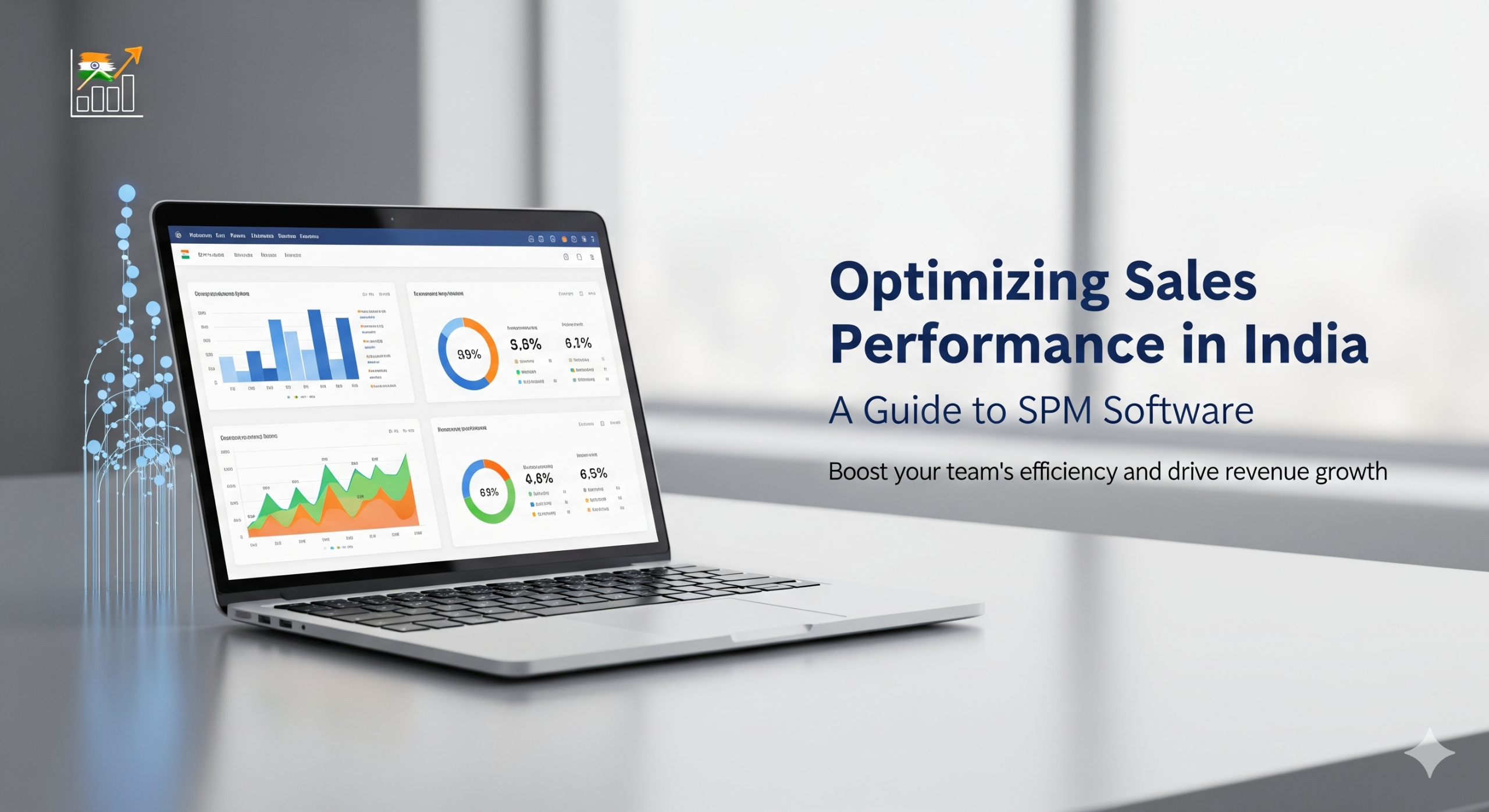
    A 2024 report by Grand View Research projected the sales force automation market in India to grow at a CAGR of 9.1% from 2024 to 2030, reaching a market size of US$786.5 million. This isn’t just a number; it’s a clear signal that Indian businesses are rapidly moving away from legacy systems like Excel spreadsheets and WhatsApp groups. With over 10 years of experience building and implementing SaaS products for clients, I’ve seen firsthand how a well-chosen field sales software can be a game-changer for a company’s bottom line. The right platform, especially one designed for the unique challenges of the Indian market, can solve issues from poor data visibility to inefficient route planning and missed sales targets. This guide will walk you through what to look for, why it matters, and why Happisales stands out as the best field sales software for Indian businesses today.

    The best field sales software for Indian businesses centralizes sales operations, offers real-time tracking, and provides a mobile-first experience to boost field team productivity.


    What Makes a Field Sales Software “The Best” for the Indian Market?

    The Indian market has unique demands. Field teams operate in diverse geographies, from densely packed urban centers to remote rural areas with limited connectivity. The best field sales software isn’t just a CRM with GPS; it’s a comprehensive platform that understands these nuances. Here’s a breakdown of the core features that are non-negotiable for success in India.

    Real-Time Location Tracking and Geo-Fencing

    For any field sales management software, real-time tracking is a foundational feature. But in India, it’s about more than just knowing where your reps are. It’s about verifying their visits to retail outlets, tracking their routes to optimize travel time, and ensuring they are in the correct territory. A software like Happisales provides live location data and geo-fencing capabilities, automatically checking reps in and out of a customer’s location. This eliminates manual data entry and provides an unassailable audit trail, which is crucial for managing distributor relationships and verifying claims.

    Offline Functionality for Rural Sales Teams in India

    Connectivity is not always guaranteed. In tier-2 and tier-3 cities and rural markets, network instability can bring a sales process to a halt. The best field sales software must have a robust offline mode. This means a sales rep can capture orders, update customer information, and even submit expense reports without an internet connection. The data should then automatically sync with the central dashboard once a connection is re-established. This is a critical feature that ensures continuity and prevents lost data.

    Seamless Order and Inventory Management

    Manual order booking via phone calls or handwritten forms is inefficient and prone to errors. An effective field sales app should allow reps to:

    • View real-time stock availability.
    • Place orders directly from the app.
    • Generate digital invoices on the spot.
    • Collect payments through various digital modes like UPI.

    This level of integration directly impacts the sales cycle. For a Fast-Moving Consumer Goods (FMCG) company in India, for example, the ability to check inventory at a distributor’s warehouse and book an order instantly can be the difference between a sale and a lost opportunity.

    Intelligent Route Planning and Beat Optimization

    In a country where traffic can be unpredictable and distances vast, an intelligent route planner is invaluable. It’s a key feature of any sales management software in India that aims to increase efficiency. The system should automatically suggest the most logical and efficient route for a rep’s daily visits, considering factors like traffic, visit priority, and proximity. This not only saves fuel costs but also allows reps to visit more customers in a day. It directly translates to higher sales productivity and better market coverage.


    The Happisales Advantage: A Deep Dive into Features

    While many platforms offer a mix of these features, Happisales has built a reputation in India for its comprehensive, user-friendly, and cost-effective approach. Here’s a detailed look at what makes it a top contender in the Indian market.

    Unified Sales and Marketing Analytics

    A major challenge for sales leaders is the lack of a single source of truth. Data is often scattered across spreadsheets, different CRMs, and email inboxes. Happisales solves this by providing a unified dashboard that gives managers a 360-degree view of the entire sales operation.

    Sales Intelligence with Happisales

    • Real-time sales dashboards: Monitor daily, weekly, and monthly sales performance against targets.
    • Pipeline visibility: Track every lead and deal from creation to closure.
    • Customizable reports: Generate reports on sales rep performance, top-selling products, and regional sales trends.

    This level of intelligence empowers sales leaders to make data-driven decisions and identify areas for coaching and improvement. It’s the kind of feature that builds trust and authority within a team.

    Gamification and Performance Management

    Sales is a competitive field. Gamification, or the use of game-like elements in a non-game context, can significantly boost morale and performance. Happisales includes features that turn daily tasks into a healthy competition.

    • Leaderboards: Publicly display the top performers based on key metrics like calls made, meetings booked, or revenue generated.
    • Badges and rewards: Award virtual badges for achieving milestones, which can be linked to real-world incentives.
    • Personalized goals: Set individual targets for each rep and track their progress in real-time.

    A study published in the Journal of Marketing Research found that sales teams with gamification elements saw a 32% increase in productivity. Happisales leverages this psychology to keep reps engaged and motivated.

    Advanced AI-Powered Features

    Happisales is not just a data entry tool; it’s an intelligent partner for your sales team.

    • AI-driven lead scoring: Automatically rank leads based on their likelihood to convert, helping reps focus on the most promising opportunities.
    • Predictive analytics: Forecast future sales and identify potential bottlenecks in the sales pipeline.
    • Chatbot integration: The platform integrates with generative AI chatbots to provide instant answers to reps’ questions, freeing up managers’ time. This is a natural use case for our Generative AI Chatbots service.

    These features, which rely on robust product engineering services, give your team a significant competitive edge by providing them with the insights they need to close more deals faster. They also streamline the customer journey, from initial contact to a seamless buying experience.


    Choosing the Right Field Sales Software: A Comparison Table

    FeatureHappisalesSalesforce Field ServiceZoho CRMLeadSquared
    Target AudienceSMBs & Enterprises in IndiaLarge Enterprises GloballySMBs & Enterprises GloballyEducation & Financial Services in India
    PricingHighly competitive, local plansHigh, often requires custom quotesTiered, can be complexTiered, focused on lead volume
    Offline ModeRobust & seamlessGood, but can be complex to set upGoodSolid
    Geo-TrackingReal-time, with geo-fencingAdvanced, but complexStandardReal-time
    Route OptimizationAI-driven & integratedAvailable, but often an add-onBasicBasic
    GamificationBuilt-in & customizableLimited, requires additional appsAvailable, requires setupLimited
    Key DifferentiatorIndian market focus, intuitive UI, affordability, deep featuresMarket leader, best for large, complex orgsAll-in-one suite, good for general CRMStrong on lead management, niche focus
    Best Field Sales Software – Comparision

    This table shows why Happisales offers a compelling value proposition for Indian companies. It provides enterprise-level features at a price point and with a user experience tailored for the local market. For a sales leader in Chennai or Mumbai, this is a platform that just works, right out of the box.


    Case Study: Boosting Sales Productivity in the Indian FMCG Sector

    I once worked with a leading beverage distributor in Tamil Nadu that was struggling with a decentralized sales process. Their 100+ field reps relied on phone calls, WhatsApp, and physical order books. This led to:

    • Delayed order processing: Orders would often take 24-48 hours to reach the warehouse.
    • Inaccurate inventory data: Reps were booking orders for products that were out of stock, leading to customer dissatisfaction.
    • Lack of visibility: The sales manager had no real-time data on rep performance or market trends.

    We implemented Happisales as their primary field sales software. The transition was smooth, thanks to its user-friendly interface and comprehensive training. Within three months, the results were astounding:

    • Order-to-delivery time was reduced by 60%. Reps could book orders in minutes, and the warehouse received them instantly.
    • Sales rep productivity increased by 25%. With geo-optimized routes and automated reporting, reps spent more time selling and less on admin tasks.
    • The sales manager gained full visibility, allowing them to identify top performers and provide targeted coaching.

    This real-world example demonstrates the transformative power of a specialized field sales software solution and its direct impact on a company’s sales strategy.


    Implementing Your New Field Sales Software: A Strategic Roadmap

    Choosing the software is only the first step. The implementation process is what truly determines success. As a product strategist, I’ve outlined a simple, effective roadmap for Indian companies to follow.

    Phase 1: Preparation and Planning

    • Define your goals: What specific problems are you trying to solve? Is it boosting sales, improving data accuracy, or reducing travel costs?
    • Form a core team: Include representatives from sales, IT, and management.
    • Data audit: Clean and consolidate your existing customer, product, and territory data.

    Phase 2: Pilot and Training

    • Start small: Deploy the software to a pilot group of 5-10 reps.
    • Gather feedback: Collect continuous feedback from the pilot group to identify any issues and refine the process.
    • Comprehensive training: Train your entire field team on the app’s features and the new workflow. A simple, intuitive app like Happisales makes this process much smoother.

    Phase 3: Full-Scale Deployment and Optimization

    • Go live: Roll out the software to all field reps.
    • Monitor performance: Use the platform’s analytics to track key metrics and ensure you are achieving your initial goals.
    • Continuous improvement: Regularly review data and use features like the built-in reporting and analytics to fine-tune your sales process.

    This structured approach ensures a smooth transition and maximizes your return on investment.


    People Also Ask

    What are the core functions of a field sales software?

    The core functions of a field sales software include location tracking, order and inventory management, visit planning, and real-time reporting to streamline on-the-ground operations. This functionality helps sales reps be more efficient and provides managers with critical data.

    What is the difference between a field sales software and a CRM?

    While a CRM manages customer relationships and sales pipelines in a broad sense, a field sales software is a specialized tool focused on the specific, on-the-ground activities of a mobile sales team. It often includes features like GPS tracking, beat planning, and offline data sync that a standard CRM may lack.

    How does field sales software help reduce operational costs?

    Field sales software helps reduce operational costs by optimizing rep travel routes to save on fuel, eliminating manual paperwork and data entry, and providing real-time inventory visibility to prevent stockouts and overstocking. It also improves productivity, which indirectly lowers the cost per sale.

    Can a field sales software integrate with our existing ERP system?

    The best field sales software, like Happisales, is designed for seamless integration with existing ERP and accounting systems (such as Tally or SAP). This ensures a smooth flow of data for order processing, inventory updates, and financial reporting.


    Empowering Your Sales Team with the Right Technology

    The Indian market is dynamic, competitive, and ripe with opportunities for businesses that are willing to embrace technology. Outdated manual processes are no longer a viable option. The right field sales management software is an investment that pays for itself many times over by boosting productivity, improving data accuracy, and giving you a strategic advantage.

    Having worked with sales teams across India for over a decade, I can confidently say that finding a platform that is not just feature-rich but also easy to use and tailored for the local context is paramount. Happisales, with its deep understanding of the Indian market, robust offline capabilities, and powerful analytics, stands out as a clear leader.

    It’s a platform built for the way Indian sales teams work, and it’s a testament to the power of thoughtful product engineering.

  • Best Field Force Automation Software for Small Businesses in 2025

    Best Field Force Automation Software for Small Businesses in 2025

    Introduction – why field force automation matters now?

    Without field force automation software do your businesses with mobile teams face constant headaches. You deal with missed orders, messy routes, slow payments, and no clue what your team does. I’ve worked with FMCG and retail businesses, and Happisales system fixes these problems. It increases store visits, stops stockouts, speeds up cash flow, and tracks growth clearly. This post explains how to choose field force automation software, how it solves tracking and productivity issues, and how to evaluate vendors without wading through sales talk.

    What is field force automation software?

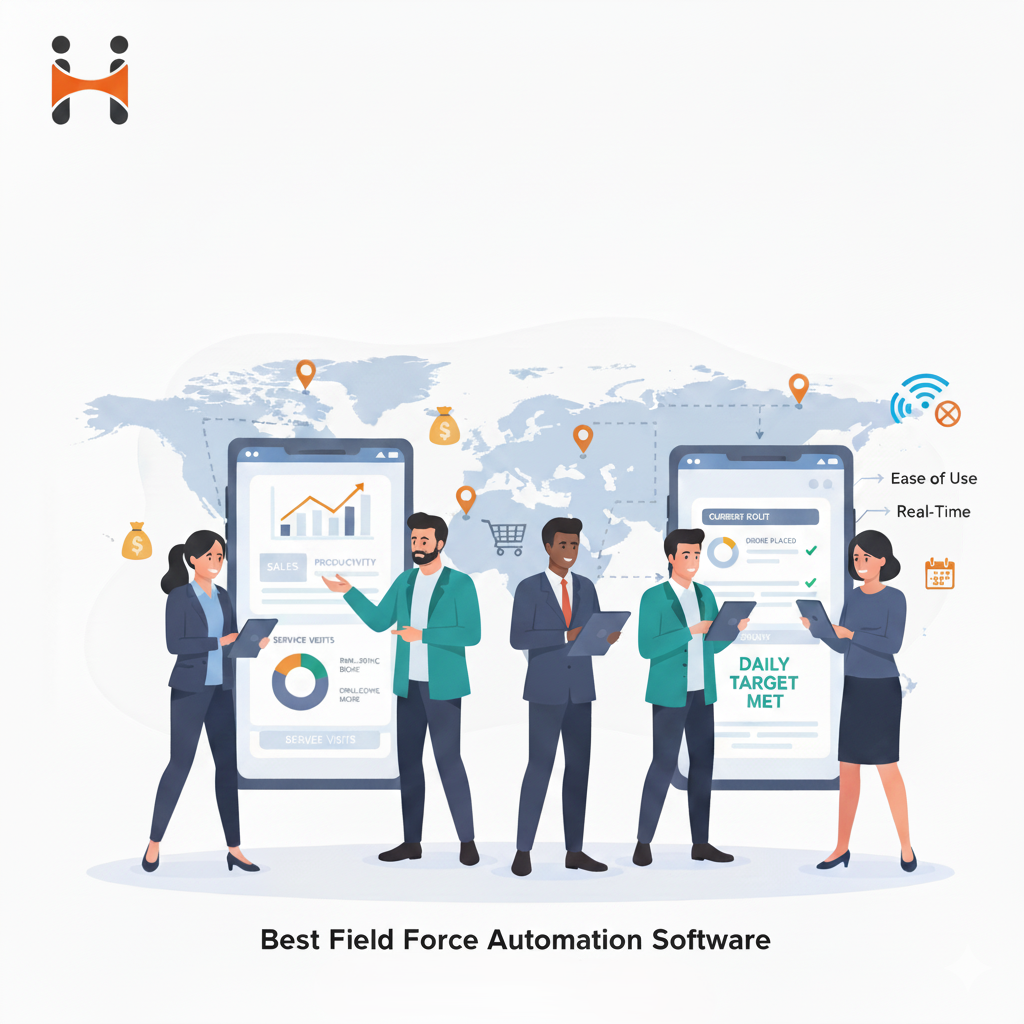
    Field force automation software streamlines mobile team operations. Struggling with manual processes? It fixes this with real-time data and clear insights. It helps managers make decisions based on facts. Here’s what it does:

    • Manages sales, collections, orders, and service visits through mobile apps.
    • Plans routes to save time and increase store visits.
    • Works offline to keep field teams productive in low-network areas.
    • Provides dashboards to track performance and growth.
    • Replaces paper, Excel, or WhatsApp with instant data updates.

    Challenges Small Businesses Face Without Automation

    Small businesses with mobile teams face big challenges. Without field force automation software, you lose sales and waste time. From working with distributors and retail teams, I’ve seen these issues slow growth. Lack of transparency is the biggest hurdle. Fix that, and other problems get easier. Here are the key issues:

    • Inventory shortages kill sales– Reps arrive at stores with no stock because inventory isn’t synced.
    • Poor travel paths burn time– Bad planning raises fuel costs and cuts visits.
    • Weak oversight hurts progress– Supervisors can’t confirm visits or coach staff well.
    • Slow payments hurt cash flow– Paper receipts and delayed approvals create delays.
    • Spotty networks stop work– Apps must work offline in smaller towns.

    Key Features of the Best Field Force Automation Software

    Picking the right field force automation software matters for small businesses. Don’t have the right mobile workforce tools? You’ll waste time and money. Focus on these features to ensure the software helps your team. They solve real problems and drive results. Here’s what to prioritize:

    • Location tracking with geotagged visits – It confirms field visits, builds coverage maps, and prevents fake reports. Check for passive tracking versus manual check-ins, battery usage, and privacy settings like work-hours-only tracking.
    • Offline-first mobile app- It lets reps log orders and data in areas with weak networks. Look for automatic data sync, conflict handling, and support for file or photo uploads.
    • Route optimization with planned schedule- It boosts daily visits and cuts travel costs. Ensure it offers multi-stop routing, prioritizes key customers, and adjusts routes dynamically.
    • Order and inventory sync in real time or near real time– It stops stockouts, prevents extra deliveries, and speeds reordering. Check for SKU-level updates, warehouse visibility, and low-stock alerts.
    • Expense capture with fast approvals– It cuts reimbursement delays and boosts team morale. Look for receipt scanning, simple approval workflows, and payroll or ERP integration.
    • Custom dashboards with performance analytics– They turn data into coaching insights, not just numbers. Ensure metrics cover visit conversion, average order size, route adherence, and collections aging.
    • Privacy-focused tracking– It builds trust with mobile teams. Verify it tracks only during work hours, limits data retention, and restricts access to managers.

    Real Benefits of Field Force Automation for Small Businesses

    Our company has worked with small distributors and retail chains. Here’s what happens when automation is done right.

    • More store visits– Smart routing and planning boost visits by 15-25% early on.
    • Fewer stockout-. Real-time inventory and order syncing cut stockouts. Customers reorder more consistently.
    • Quicker collections– Automated reminders and cash reconciliation speed up payment cycles and improve cash flow.
    • Lower travel costs– Optimized routes save on fuel and overtime.
    • Better coaching– Data-driven reviews make weekly sessions focused and useful.
    • These results aren’t automatic, they come when teams stick to new processes and use the software regularly.

    Buying Checklist: Questions to Ask Field Force Automation Vendors

    Use this checklist when talking to vendors. It helps separate marketing claims from real features.

    • Does the mobile app work offline and sync automatically when back online?
    • How does geolocation work? Is it continuous tracking, check-in based, or both? How do you manage battery drain?
    • Can routes be auto-planned and visits reassigned on the fly?
    • Is inventory synced at the SKU level between field orders and the warehouse?
    • What approval processes are there for expenses and returns?
    • Can dashboards be tailored to track specific KPIs like visits, DSO, or order value?
    • What integrations are available for ERP, payroll, or accounting systems?
    • How is employee privacy protected, like time-limited tracking or data retention policies?
    • What onboarding and training support is provided?
    • Is there a free trial or pilot with real data and support?

    Implementation Tips for Field Force Automation in Small Businesses

    Small businesses succeed by starting with a quick pilot and scaling slowly.

    • Test with a 2-4 week pilo- Select one area with 10-30 reps to try out processes.
    • Chart current workflows–  Keep what’s effective and digitize it first.
    • Use short training– Go for 30-45 minute practical sessions, not long lectures.
    • Pick three KPIs for the first 90 days– Measure daily rep visits, order conversion, and payment aging.
    • Be clear about tracking– Share how it helps, what it does, and how privacy is protected.
    • Adjust fast- Use pilot feedback to improve routes, alerts, and dashboards.
    • Teams using this approach see better adoption and less resistance in the first month.

    Quick Vendor Comparison Framework for Small Businesses

    Pick the best vendors with this simple framework. Use it when you have 4-6 options.

    • Core features (40%)– Check location tracking, offline app, route planning, inventory sync.
    • Ease of use (20%)– Look for simple app design, good training, local language support.
    • Integration and security (15%)– Confirm API options, encryption, compliance.
    • Support and onboarding (15%)– Ensure rollout help, pilot support, local assistance.
    • Cost (10%)– Demand clear pricing and ROI.
    • Score each vendor 1-5 on these points to build a shortlist for pilots.

    Field Story: How Automation Improved Productivity and Sales?

    Our company helped a regional distributor whose field reps were unsure about tracking. We ran a two-week trial focusing on route planning and offline order entry. After a month, reps made 18% more visits on average. Stockouts dropped because warehouses got orders instantly. The team got excited about weekly leaderboards showing top performers, and more reps started using the system. The key was openness. The manager showed dashboards in weekly meetings, praised good work, and fixed minor issues. Putting people first worked better than tight control.

    Choosing the Right Field Force Automation Software

    To decide this week, follow these steps:

    • Download two vendor apps. Test with a small team of 7-15 reps.
    • Track three KPIs for 30 days. Measure daily visits, order conversion, collections DSO.
    • Focus on adoption. Choose the tool reps find easiest.
    • Protect privacy. Use time-window tracking before full rollout.
    • Request a live demo. Use your customer list to test inventory and route features.

    What’s next?

    Small businesses can boost sales, cut costs, and manage their field teams efficiently with Happisales Field Force Automation Software. Start a 14-day free trial to track visits, orders, collections, and service tasks in real-time, even offline. Get a custom pilot and live demo tailored to your workflow, with actionable insights, notifications, and progress tracking to motivate your field executives.

    Frequently Asked Questions

    1. What is field force automation software?

    Field force automation software is a tool designed for small businesses to manage mobile teams efficiently. It streamlines tasks like sales, order management, collections, and service visits. Key features include route optimization, offline mobile access, real-time inventory syncing, and performance dashboards to track team productivity.

    2. What are the different types of field forces?

    Types of Field Forces

    1. Sales Force – Sells products/services directly to customers; tracks leads, orders, and routes.
    2. Marketing/Brand Ambassadors – Promotes products, runs demos, collects customer feedback.
    3. Service/Support Force – Handles on-site installation, maintenance, and repairs.
    4. Collection/Finance Force – Manages cash collection, invoicing, and payment follow-ups.
    5. Distribution/Delivery Force – Delivers products, monitors stock, and optimizes routes.

    3. What are the key features to look for in field force automation software?

    When choosing software, focus on features like geotagged location tracking, offline mobile app functionality, route optimization, real-time order and inventory sync, expense capture, custom performance dashboards, and privacy-focused employee tracking.

    4. How does field force automation software improve productivity and sales?

    Field force automation improves productivity by optimizing routes, reducing stockouts, accelerating collections, lowering travel costs, and providing actionable insights for coaching your mobile teams. This leads to more store visits, better customer coverage, and higher sales efficiency.

    5. How can small businesses choose the right field force automation software vendor?

    Small businesses should evaluate vendors based on core features, ease of use, integration capabilities, support, and cost. Running a small pilot with key KPIs like daily visits, order conversion, and collection timelines helps ensure the software fits your team before a full rollout.

  • Best App for Salesman Tracking in India

    Best App for Salesman Tracking in India

    “Are your sales targets consistently missed, and you have no idea why? Many Indian businesses struggle with this exact challenge, especially when managing field sales teams. In my 12+ years of experience developing and implementing sales management software across various sectors in India, I’ve seen firsthand how a lack of visibility into sales activities can cripple growth. This blog post will delve into how the right app for salesman tracking in India can transform your sales operations, significantly boosting productivity and accountability. We’ll explore the critical features, benefits, and why HappiSales stands out as the premier solution for Indian companies.”


    HappiSales is the leading app for salesman tracking in India, offering real-time location monitoring, activity logging, and performance analytics to boost sales team efficiency.


    Why Every Indian Business Needs an App for Salesman Tracking in India

    Managing a field sales team in India presents unique challenges, from vast geographical territories and diverse customer bases to logistical complexities. Without proper oversight, sales managers often operate in the dark, leading to inefficiencies, missed opportunities, and a significant drain on resources.

    The Ground Realities of Indian Field Sales

    • Geographical Dispersion: Sales reps often cover wide areas, making physical supervision impractical.
    • Diverse Markets: From urban centers to rural towns, sales strategies need to adapt, and tracking helps understand what works where.
    • Competitive Landscape: The Indian market is fiercely competitive, demanding maximum efficiency from every sales interaction.
    • Accountability Gaps: Without a system, it’s difficult to verify visits, meeting durations, or actual activities performed by salesmen.

    An effective app for salesman tracking in India addresses these issues head-on. It provides a transparent, data-driven approach to sales management, moving beyond traditional, often unreliable, manual reporting methods. According to a report by Statista, the Indian software market is growing rapidly, indicating a clear trend towards digital transformation in business operations, including sales.


    Key Features That Make HappiSales the Best Salesman Tracking App in India

    When evaluating an app for salesman tracking in India, certain features are non-negotiable for achieving real results. HappiSales has been meticulously designed with these core functionalities to meet the specific needs of the Indian market.

    Real-Time GPS Tracking & Location Intelligence

    One of the most fundamental aspects of any salesman tracking app is its ability to provide accurate, real-time location data.

    • Live Location Monitoring: Managers can see the exact whereabouts of their sales team during working hours. This isn’t about micromanagement; it’s about ensuring safety, optimizing routes, and verifying customer visits.
    • Geo-fencing: Set up virtual boundaries for sales territories. Get alerts if a salesman deviates from their assigned area or enters a restricted zone.
    • Route Optimization: HappiSales helps plan the most efficient routes, reducing travel time and fuel costs. This is particularly crucial in India’s diverse road conditions.
    • Visit Verification: Automatically log when a salesman arrives at a client location and when they leave, providing undeniable proof of visit duration.

    Activity Management & Reporting

    Beyond just location, understanding what your sales team is doing at each location is paramount.

    • Check-in/Check-out Functionality: Salesmen can easily check in when they start their day and check out when they finish, with their location automatically recorded.
    • Meeting & Task Logging: Reps can log details of every meeting, including discussion points, outcomes, next steps, and even upload relevant documents or photos directly from the field.
    • Customizable Forms: Create custom forms for various activities like order booking, lead qualification, or service requests, ensuring all necessary data is captured consistently.
    • Expense Tracking: Enable salesmen to submit expenses directly through the app, complete with receipt uploads, simplifying the reimbursement process.

    Order Management & Sales Automation

    HappiSales integrates sales order management directly into the tracking app, streamlining the entire sales cycle.

    • On-the-Spot Order Booking: Salesmen can place orders directly from a client’s location, reducing errors and speeding up the sales process.
    • Real-time Inventory Access: Provide reps with up-to-date information on product availability, preventing stock-out issues and improving customer satisfaction.
    • Digital Catalogs: Equip your sales team with interactive digital product catalogs, enhancing presentations and ensuring consistent product information.
    • Payment Collection & Tracking: Record payment details and track outstanding invoices, improving cash flow management.

    Performance Analytics & Reporting

    Data is power, and HappiSales turns raw sales data into actionable insights.

    • Individual & Team Performance Dashboards: Visualize key metrics such as calls made, meetings attended, orders placed, revenue generated, and conversion rates.
    • Lead-to-Conversion Tracking: Monitor the entire sales pipeline, identifying bottlenecks and opportunities for improvement.
    • Custom Reports: Generate tailor-made reports based on various parameters like product, region, salesman, or time period.
    • Sales Forecasting: Leverage historical data and current pipeline information to make more accurate sales forecasts.

    Benefits of Using HappiSales for Your Indian Sales Team

    Implementing HappiSales as your chosen app for salesman tracking in India yields a multitude of benefits that directly impact your bottom line and operational efficiency.

    Increased Sales Productivity & Efficiency

    • Reduced Travel Time: Optimized routes mean more time selling and less time driving.
    • Streamlined Workflows: Automating tasks like reporting and order booking frees up salesmen to focus on customer engagement.
    • Better Resource Allocation: Understand which territories or products require more attention based on performance data.

    Enhanced Accountability & Transparency

    • Verified Activities: Managers gain clear visibility into who is doing what, where, and when.
    • Reduced Misreporting: Digital logging minimizes the chances of inaccurate or inflated activity reports.
    • Fair Performance Evaluations: Base promotions and incentives on concrete, data-backed performance metrics.

    Improved Customer Satisfaction

    • Faster Response Times: Salesmen equipped with real-time information can respond to customer queries more effectively.
    • Accurate Orders: Digital order booking reduces errors, leading to fewer customer complaints.
    • Personalized Service: By tracking interactions, reps can offer more tailored solutions to clients.

    Cost Savings

    • Lower Fuel & Travel Costs: Route optimization directly translates into savings.
    • Reduced Administrative Overhead: Automating reporting significantly cuts down on manual administrative tasks.
    • Optimized Manpower: Better understanding of team capacity allows for more efficient deployment of sales personnel.

    HappiSales vs. Other Sales Tracking Solutions in India

    When considering an app for salesman tracking in India, the market offers several options. However, HappiSales is specifically engineered to cater to the unique demands of Indian businesses, offering a superior blend of features, usability, and support.

    Feature/AspectHappiSalesGeneric Sales Tracking App (India)Legacy CRM with Field Module
    Real-Time GPSAdvanced, accurate, geo-fencingBasic, sometimes unreliableOften requires third-party integration
    Offline CapabilityFull functionality, data syncs laterLimited or non-existentVariable, can be clunky
    Customizable FormsHighly customizable, easy-to-createBasic templated formsRequires IT support for customization
    Local Language SupportSupports major Indian languagesEnglish-only or limited regional supportDepends on vendor, often limited
    Indian Market FocusBuilt for Indian field sales realitiesGeneric global features, not localizedGlobal focus, Indian nuances might be missed
    Pricing ModelFlexible, scalable, transparentOften opaque, hidden costsHigh upfront cost, complex licensing
    IntegrationAPI-ready for popular Indian ERP/accountingLimited or no integration optionsRequires extensive setup
    Customer SupportDedicated local support teamOften outsourced, slow responseCan be good but sometimes remote
    Offline SyncEssential for areas with poor connectivityOften a major weaknessVaries widely
    Best App for Salesman Tracking in India – Comparision

    HappiSales: The Best App for Salesman Tracking in India

    “Are your sales targets consistently missed, and you have no idea why? Many Indian businesses struggle with this exact challenge, especially when managing field sales teams. In my 12+ years of experience developing and implementing sales management software across various sectors in India, I’ve seen firsthand how a lack of visibility into sales activities can cripple growth. This blog post will delve into how the right app for salesman tracking in India can transform your sales operations, significantly boosting productivity and accountability. We’ll explore the critical features, benefits, and why HappiSales stands out as the premier solution for Indian companies.”


    HappiSales is the leading app for salesman tracking in India, offering real-time location monitoring, activity logging, and performance analytics to boost sales team efficiency.


    Why Every Indian Business Needs an App for Salesman Tracking in India

    Managing a field sales team in India presents unique challenges, from vast geographical territories and diverse customer bases to logistical complexities. Without proper oversight, sales managers often operate in the dark, leading to inefficiencies, missed opportunities, and a significant drain on resources.

    The Ground Realities of Indian Field Sales

    • Geographical Dispersion: Sales reps often cover wide areas, making physical supervision impractical.
    • Diverse Markets: From urban centers to rural towns, sales strategies need to adapt, and tracking helps understand what works where.
    • Competitive Landscape: The Indian market is fiercely competitive, demanding maximum efficiency from every sales interaction.
    • Accountability Gaps: Without a system, it’s difficult to verify visits, meeting durations, or actual activities performed by salesmen.

    An effective app for salesman tracking in India addresses these issues head-on. It provides a transparent, data-driven approach to sales management, moving beyond traditional, often unreliable, manual reporting methods. According to a report by Statista, the Indian software market is growing rapidly, indicating a clear trend towards digital transformation in business operations, including sales.


    Key Features That Make HappiSales the Best Salesman Tracking App in India

    When evaluating an app for salesman tracking in India, certain features are non-negotiable for achieving real results. HappiSales has been meticulously designed with these core functionalities to meet the specific needs of the Indian market.

    Real-Time GPS Tracking & Location Intelligence

    One of the most fundamental aspects of any salesman tracking app is its ability to provide accurate, real-time location data.

    • Live Location Monitoring: Managers can see the exact whereabouts of their sales team during working hours. This isn’t about micromanagement; it’s about ensuring safety, optimizing routes, and verifying customer visits.
    • Geo-fencing: Set up virtual boundaries for sales territories. Get alerts if a salesman deviates from their assigned area or enters a restricted zone.
    • Route Optimization: HappiSales helps plan the most efficient routes, reducing travel time and fuel costs. This is particularly crucial in India’s diverse road conditions.
    • Visit Verification: Automatically log when a salesman arrives at a client location and when they leave, providing undeniable proof of visit duration.

    Activity Management & Reporting

    Beyond just location, understanding what your sales team is doing at each location is paramount.

    • Check-in/Check-out Functionality: Salesmen can easily check in when they start their day and check out when they finish, with their location automatically recorded.
    • Meeting & Task Logging: Reps can log details of every meeting, including discussion points, outcomes, next steps, and even upload relevant documents or photos directly from the field.
    • Customizable Forms: Create custom forms for various activities like order booking, lead qualification, or service requests, ensuring all necessary data is captured consistently.
    • Expense Tracking: Enable salesmen to submit expenses directly through the app, complete with receipt uploads, simplifying the reimbursement process.

    Order Management & Sales Automation

    HappiSales integrates sales order management directly into the tracking app, streamlining the entire sales cycle.

    • On-the-Spot Order Booking: Salesmen can place orders directly from a client’s location, reducing errors and speeding up the sales process.
    • Real-time Inventory Access: Provide reps with up-to-date information on product availability, preventing stock-out issues and improving customer satisfaction.
    • Digital Catalogs: Equip your sales team with interactive digital product catalogs, enhancing presentations and ensuring consistent product information.
    • Payment Collection & Tracking: Record payment details and track outstanding invoices, improving cash flow management.

    Performance Analytics & Reporting

    Data is power, and HappiSales turns raw sales data into actionable insights.

    • Individual & Team Performance Dashboards: Visualize key metrics such as calls made, meetings attended, orders placed, revenue generated, and conversion rates.
    • Lead-to-Conversion Tracking: Monitor the entire sales pipeline, identifying bottlenecks and opportunities for improvement.
    • Custom Reports: Generate tailor-made reports based on various parameters like product, region, salesman, or time period.
    • Sales Forecasting: Leverage historical data and current pipeline information to make more accurate sales forecasts.

    Benefits of Using HappiSales for Your Indian Sales Team

    Implementing HappiSales as your chosen app for salesman tracking in India yields a multitude of benefits that directly impact your bottom line and operational efficiency.

    Increased Sales Productivity & Efficiency

    • Reduced Travel Time: Optimized routes mean more time selling and less time driving.
    • Streamlined Workflows: Automating tasks like reporting and order booking frees up salesmen to focus on customer engagement.
    • Better Resource Allocation: Understand which territories or products require more attention based on performance data.

    Enhanced Accountability & Transparency

    • Verified Activities: Managers gain clear visibility into who is doing what, where, and when.
    • Reduced Misreporting: Digital logging minimizes the chances of inaccurate or inflated activity reports.
    • Fair Performance Evaluations: Base promotions and incentives on concrete, data-backed performance metrics.

    Improved Customer Satisfaction

    • Faster Response Times: Salesmen equipped with real-time information can respond to customer queries more effectively.
    • Accurate Orders: Digital order booking reduces errors, leading to fewer customer complaints.
    • Personalized Service: By tracking interactions, reps can offer more tailored solutions to clients.

    Cost Savings

    • Lower Fuel & Travel Costs: Route optimization directly translates into savings.
    • Reduced Administrative Overhead: Automating reporting significantly cuts down on manual administrative tasks.
    • Optimized Manpower: Better understanding of team capacity allows for more efficient deployment of sales personnel.

    HappiSales vs. Other Sales Tracking Solutions in India

    When considering an app for salesman tracking in India, the market offers several options. However, HappiSales is specifically engineered to cater to the unique demands of Indian businesses, offering a superior blend of features, usability, and support.

    Feature/AspectHappiSalesGeneric Sales Tracking App (India)Legacy CRM with Field Module
    Real-Time GPSAdvanced, accurate, geo-fencingBasic, sometimes unreliableOften requires third-party integration
    Offline CapabilityFull functionality, data syncs laterLimited or non-existentVariable, can be clunky
    Customizable FormsHighly customizable, easy-to-createBasic templated formsRequires IT support for customization
    Local Language SupportSupports major Indian languagesEnglish-only or limited regional supportDepends on vendor, often limited
    Indian Market FocusBuilt for Indian field sales realitiesGeneric global features, not localizedGlobal focus, Indian nuances might be missed
    Pricing ModelFlexible, scalable, transparentOften opaque, hidden costsHigh upfront cost, complex licensing
    IntegrationAPI-ready for popular Indian ERP/accountingLimited or no integration optionsRequires extensive setup
    Customer SupportDedicated local support teamOften outsourced, slow responseCan be good but sometimes remote
    Offline SyncEssential for areas with poor connectivityOften a major weaknessVaries widely

    Export to Sheets


    How to Successfully Implement HappiSales in Your Indian Business

    Implementing any new software requires a strategic approach. Here’s a step-by-step guide to ensure a smooth transition and maximize the benefits of HappiSales.

    1. Define Clear Objectives

    Before deployment, clearly articulate what you aim to achieve with HappiSales.

    • Example Objectives:
      • Increase sales team productivity by 15% within 6 months.
      • Reduce travel expenses by 10%.
      • Improve lead conversion rates by 5%.
      • Ensure 100% compliance with daily reporting.

    2. Phased Rollout & Pilot Program

    Don’t implement across the entire organization at once. Start small.

    • Select a Pilot Team: Choose a small, enthusiastic sales team or a specific region to test the app.
    • Gather Feedback: Collect feedback from the pilot users on usability, challenges, and missing features.
    • Refine & Adjust: Use the feedback to fine-tune configurations and training materials before a wider rollout.

    3. Comprehensive Training & Support

    User adoption is critical. Invest in thorough training.

    • Hands-on Workshops: Conduct interactive training sessions covering all features relevant to salesmen and managers.
    • Training Materials: Provide user manuals, video tutorials, and FAQs in local languages.
    • Ongoing Support: Establish a clear support channel for users to get assistance with technical issues or questions. HappiSales offers dedicated local support for its Indian clients.

    4. Integration with Existing Systems

    For maximum efficiency, integrate HappiSales with your current ERP, CRM, or accounting software.

    • API Connectivity: HappiSales provides robust APIs for seamless integration, ensuring data flows smoothly between systems.
    • Data Migration: Plan for efficient migration of existing customer data, product lists, and sales history.

    5. Continuous Monitoring & Optimization

    Implementation is not a one-time event.

    • Regular Review Meetings: Hold weekly or monthly meetings with sales managers to review performance data and identify areas for improvement.
    • Feedback Loop: Maintain an open channel for ongoing feedback from salesmen for continuous app enhancement.
    • Feature Adoption Tracking: Monitor which features are being used and encourage full utilization of the app’s capabilities.

    People Also Ask (FAQs) About Salesman Tracking Apps in India

    Q: Is it legal to track my salesmen’s location in India?

    A: Yes, it is legal to track your salesmen’s location in India, provided they are informed and consent to the tracking, especially during work hours. Transparency and clear company policies are crucial here.


    Q: What are the main challenges of implementing a tracking app in India?

    A: The main challenges include ensuring user adoption from the sales team, dealing with varying internet connectivity in different regions, and integrating with diverse existing business systems. Proper training and offline capabilities (which HappiSales offers) are key.


    Q: Can HappiSales work offline?

    A: Yes, HappiSales is designed with robust offline capabilities, allowing salesmen to continue working, logging activities, and taking orders even without an internet connection. All data automatically syncs once connectivity is restored.


    Q: How does HappiSales ensure data security and privacy?

    A: HappiSales employs industry-standard encryption, secure cloud infrastructure hosted in India, and strict access controls to protect your sensitive sales data and ensure privacy. Regular security audits are conducted to maintain high standards.


    Q: What kind of businesses benefit most from HappiSales?

    A: Businesses with field sales teams, distributors, or service personnel across various industries like FMCG, Pharmaceuticals, Manufacturing, Retail, and even financial services in India benefit most from HappiSales.


    Conclusion

    The need for an effective app for salesman tracking in India is no longer a luxury but a strategic imperative for any business aiming to thrive in today’s competitive landscape. The insights gained from real-time tracking, activity logging, and comprehensive analytics empower sales managers to make data-driven decisions, optimize routes, and significantly boost team productivity.

    HappiSales stands out as the best app for salesman tracking in India because it is built from the ground up to address the unique challenges and opportunities within the Indian market. Its powerful features, intuitive interface, robust offline capabilities, and dedicated local support make it the ideal choice for companies looking to enhance accountability, streamline operations, and ultimately drive superior sales performance.

    Don’t let your sales team operate in the dark. Empower them and your management with the clarity and control that HappiSales offers.

    Ready to transform your sales operations and achieve unprecedented growth? Visit our website at HappiSales.com today to schedule a free demo and discover how HappiSales can be the catalyst for your success in India.

  • Distributor Consumer Management System (DCMS): The Tool That Simplifies Your Distribution

    Distributor Consumer Management System (DCMS): The Tool That Simplifies Your Distribution

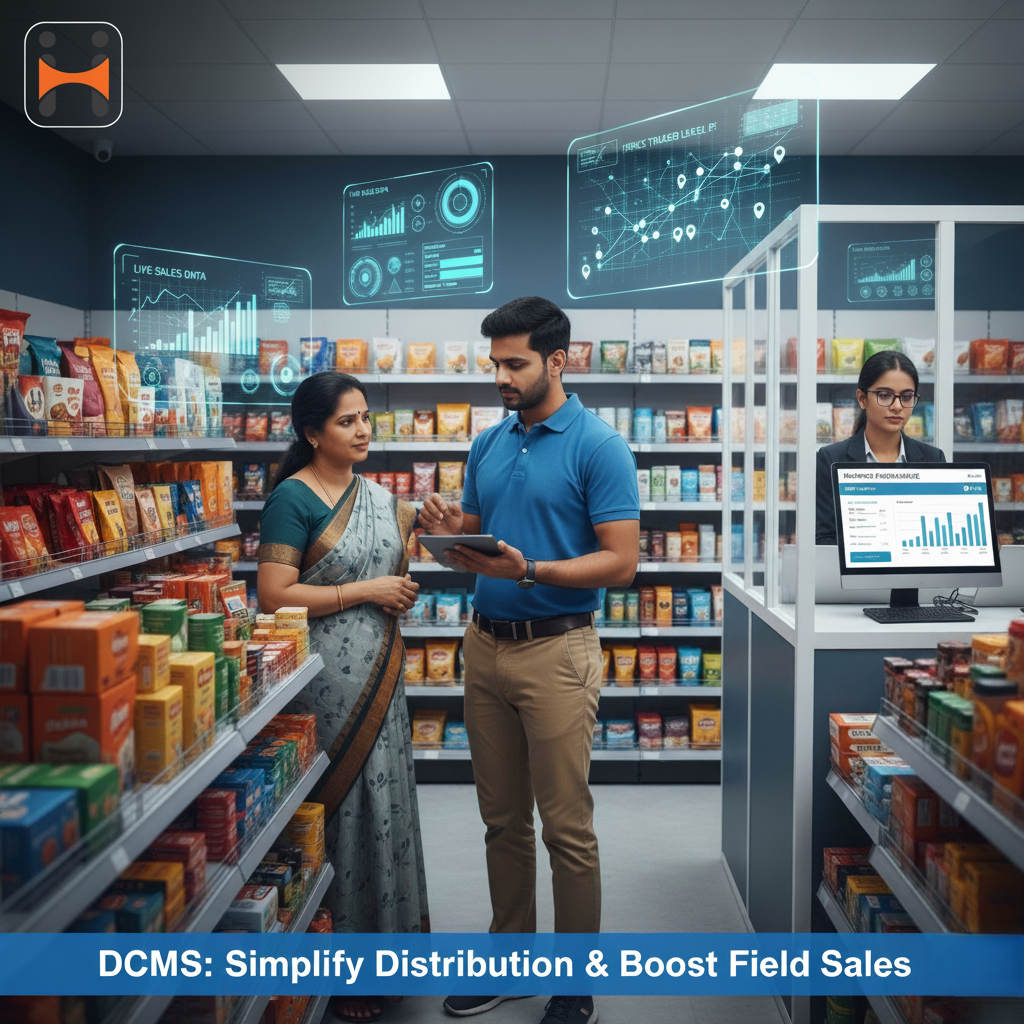
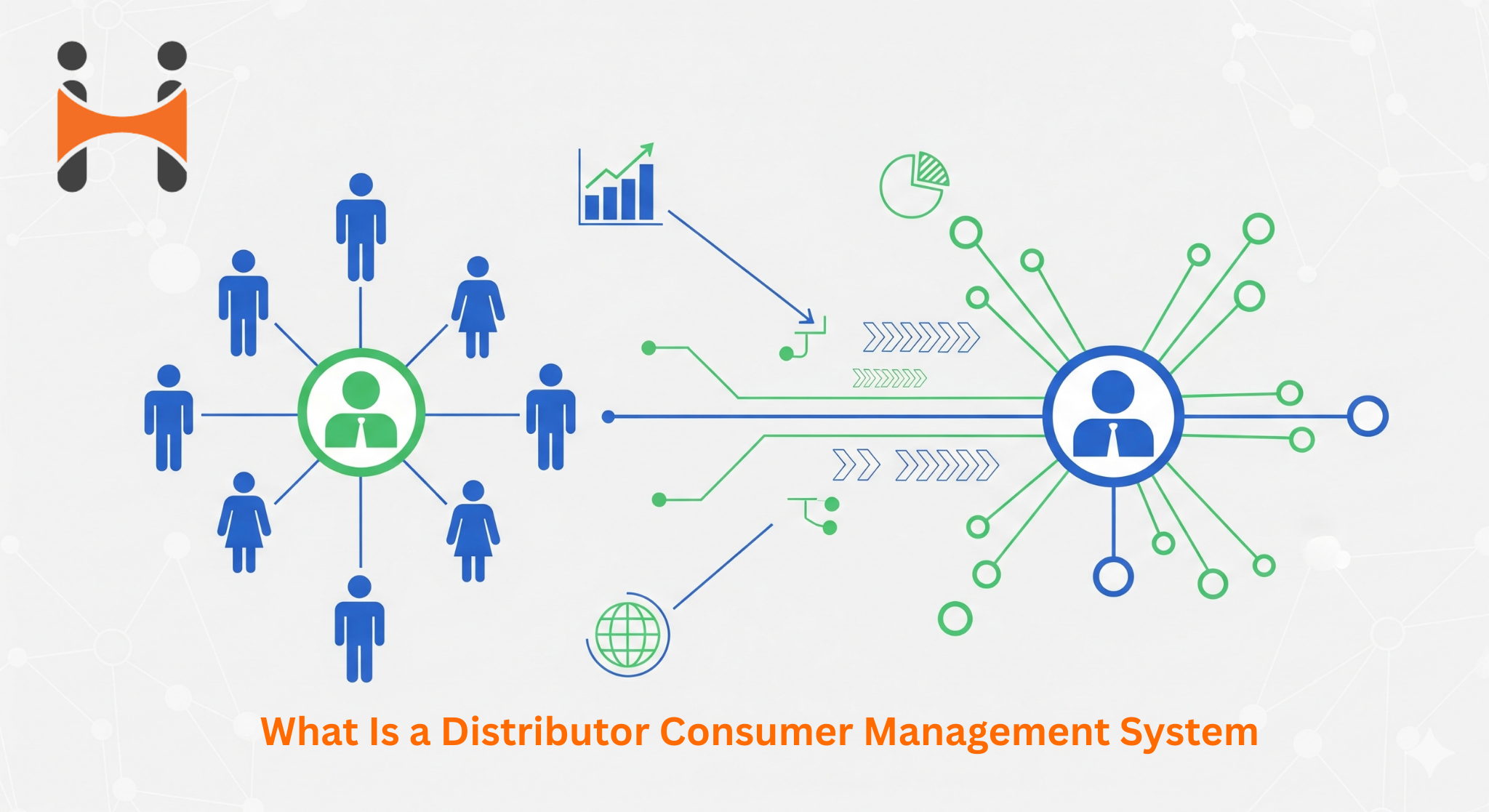
    A field sales officer shows up at a store, but the product’s out because nobody checked stock. That’s a sale lost and a retailer annoyed. Running a distribution business in India means juggling products, stores, and a moving fieldforce. A distributor and consumer management system (DCMS) keeps it under control. Field force managers get real-time digital sales updates. A force tracker shows who’s visiting where. Orders move fast, stock stays right, and your team runs smooth. This system makes data work for you, cutting waste and lifting sales.

    Why Your Distribution Needs a DCMS?

    India’s distribution game is tough. The need of distribution management is due to messy networks and tight schedules. A distributor and consumer management system (DCMS) handles those problems. It makes distributor and management easier. Here’s how it helps.

    • Tame Complex Networks. Too many products and stores lead to mistakes. A DCMS keeps everything in check with live data.
    • Stop Late Orders. Manual logs slow deliveries. A smart retailer app lets field sales officers send digital sales orders instantly. Retailers stay satisfied.
    • Track Your Fieldforce. A force tracker shows field force managers where their team goes and what they sell. No more blind spots.
    • Plan with Clear Data. Guessing with old info wastes time. A distributor & consumer management system report gives you solid insights.

    Over 70% of distributors in emerging markets fight stock and fieldforce issues. A dcms distributor consumer management system fixes them, boosting digital sales and team work.

    How a DCMS Makes Operations Smarter?

    A field sales officer losing a deal over wrong stock data slows you down. A distributor and consumer management system (DCMS) prevents that. It goes beyond basic POS tools. It turns data into plans for distributor and management. Here’s what it does.

    • Live Stock Updates. A field sales officer logs a digital sales order on a smart retailer app. The warehouse syncs stock instantly. No empty shelves or extra inventory.
    • Sharp Insights. Field force managers use a force tracker to see fieldforce routes and sales. Daily reports highlight what’s working.
    • Stronger Retailer Ties. On-time deliveries build trust. Consumer management gets easier.
    • Built for Growth. New products or regions? Your DCMS adapts without hiccups.

    Spreadsheets make planning hard. A dcms distributor consumer management system with digital sales tools helps you stock smart and grow profits.

    How a DCMS Lifts Your Fieldforce?

    Your fieldforce is your engine. A field sales officer stuck on a bad route misses sales. A distributor and consumer management system (DCMS) helps field force managers guide their team better. Here’s how it works.

    • Smarter Routes. A force tracker maps efficient paths for field sales officers. Save fuel and hit more stores.
    • Track Visits. See which stores your fieldforce hits and orders closed. Spot your top performers.
    • Better Coaching. Field force managers use digital sales data for practical advice. Your team sells more.
    • Celebrate Wins. Daily distributor & consumer management system reports show who’s shining. Reward your best field sales officers.

    One distributor tweaked routes with a DCMS. Store visits jumped 22% in three months. Digital sales grew, and collections got faster without new staff.

    How Mobile Apps Strengthen Your DCMS?

    Retailers waiting on delayed orders get frustrated. A smart retailer app linked to your distributor and consumer management system (DCMS) keeps things tight. It connects distributor and consumer for smoother work. Here’s the impact.

    • Simple Orders. Retailers use a smart retailer app for digital sales orders. Manual errors disappear.
    • Stock Warnings. The app alerts field sales officers when stock’s low. Stores stay stocked.
    • Understand Customers. Consumer management improves with data on reorders and trends. Plan better promotions.
    • Fast Fixes. Retailers share delivery feedback via the app. You sort issues quick.

    An FMCG distributor added a smart retailer app to their DCMS. Repeat orders rose 18%. Operations streamlined, and distributor and consumer bonds grew.

    How DCMS Reports Sharpen Your Strategy?

    Guessing where sales are slipping wastes effort. A distributor and consumer management system (DCMS) offers reports to make clear choices. These guide distributor and management with real data. Here’s what you see.

    • Sales Snapshot. Daily digital sales reports show top products and regions. Focus where money flows.
    • Stock Planning. Inventory reports catch low stock early. Field sales officers keep stores ready.
    • Fieldforce Check-In. A force tracker logs visits and order wins for your fieldforce. Field force managers know who’s delivering.
    • Profit View. Financial reports track collections and costs. You see what’s profitable.

    A distributor management system hpcl user checked DCMS reports. They fixed weak regions with better deliveries. Sales rose 15% in six months.

    Maximize ROI with a DCMS

    A DCMS pays off fast. It saves money and boosts efficiency. Here’s how.

    • Fewer Stock Problems. Accurate tracking cuts stockouts and overstock. Cash flows freer.
    • Quicker Payments. Automated collections speed cash flow. Money moves fast.
    • Lower Travel Costs. Smart routes save fuel for your fieldforce.
    • Stronger Team. Data-driven tips keep field sales officers sharp.

    Returns often show in 60 to 90 days. Less waste means steady growth.

    DCMS Success Stories That Prove It

    Real businesses show a DCMS delivers. Here’s what they achieved.

    • FMCG Distributor. Cut stockouts 30% in three months by syncing field orders with warehouses.
    • Fieldforce Boost. Visits rose 22% with digital sales tracking and better routes. Collections improved.
    • Expense Wins. Reimbursements dropped from weeks to days. Team morale climbed.

    These prove a DCMS grows sales, cuts costs, and strengthens teams.

    Future-Proof Your Distribution with a DCMS

    Distribution moves fast. A DCMS keeps you ahead.

    • Predict Demand. Forecast stock needs to stay prepared.
    • Smart Routes. AI plans efficient paths for your fieldforce.
    • ERP Sync. Link finance and operations seamlessly.
    • Scale Easy. Add products or regions without stress.

    With force tracker, digital sales tracking, and smart retailer apps, your team stays ready.

    Track Your Team Fairly with a DCMS

    Trust keeps your fieldforce strong. A DCMS helps field force managers track responsibly.

    • Be Clear. Tell your fieldforce how tracking works.
    • Work Hours Only. Track during shifts to respect time off.
    • Minimal Data. Use geotags and timestamps only.
    • Secure Info. Limit access and clear old data.

    This builds team trust and smooth adoption.

    What’s Next?

    A distributor and consumer management system like Happisales makes distribution easier. Track field sales officers live, plan smart routes, log orders and expenses simply, and use data for better decisions. Happisales cuts stockouts, speeds cash flow, lifts fieldforce work, and grows profits. Start a 14-day free trial now. Test it out and see how it streamlines your operations.

  • Mobile Apps for Sales Reps in India

    Mobile Apps for Sales Reps in India

    When I started my journey in sales management software a decade ago, the idea of a sales rep closing a deal solely from their smartphone felt like science fiction. Today, it’s not just possible; it’s a critical differentiator for top-performing teams. In India, where mobile penetration is skyrocketing and market dynamics demand agility, empowering your sales force with the right mobile apps for sales reps isn’t just an advantage, it’s a necessity.

    Over my career, helping hundreds of Indian businesses optimize their sales processes, I’ve seen firsthand the transformative power of a well-integrated mobile strategy. This isn’t about fancy gadgets; it’s about giving your team the tools to be more efficient, informed, and ultimately, more effective, whether they’re in Mumbai traffic or a rural village in Karnataka. This guide will walk you through why mobile apps are non-negotiable for modern Indian sales teams, what to look for, and how to implement them successfully.

    Mobile apps for sales reps are crucial in India for boosting productivity, enhancing customer engagement, and providing real-time data access on the go.


    The Unmissable Edge: Why Mobile Apps for Sales Reps are Critical in India

    India’s sales landscape is unique. It’s characterized by vast geographical spread, diverse customer segments, intense competition, and a rapidly evolving digital infrastructure. Traditional sales methods, heavily reliant on office-bound CRMs or paper-based reporting, simply can’t keep pace. This is where dedicated mobile apps for sales reps step in, offering an unmissable edge.

    Consider a sales executive in Delhi navigating multiple client visits. Without a mobile app, they’re juggling physical product catalogs, manually updating spreadsheets at the end of a long day, and often missing critical, real-time insights. With a robust mobile solution, their entire office fits into their pocket.

    Real-Time Data Access and Updates

    One of the biggest headaches for sales managers is outdated information. How many times have you made a strategic decision based on data that was already a day or two old? Mobile apps solve this by enabling instant access to and updates of critical information:

    • Customer Profiles: Imagine a rep walking into a client meeting with the latest purchase history, communication logs, and even social media insights readily available. This personalizes the interaction, making the client feel valued.
    • Product Catalogs & Pricing: No more fumbling with outdated brochures. Digital catalogs are easily updated, ensuring reps always present the correct product information and pricing, a huge win in industries like manufacturing and retail where SKUs and prices change frequently.
    • Inventory Levels: For businesses dealing with physical goods, knowing real-time stock levels can prevent over-promising or missed sales. A quick check on the app can confirm availability before a commitment is made.

    Enhanced Productivity on the Go

    Time is money, especially for field sales teams. Every minute spent on administrative tasks is a minute not spent selling. Mobile apps streamline numerous processes:

    • Automated Reporting: Instead of spending hours compiling end-of-day reports, reps can update call logs, meeting notes, and order details directly from their device in minutes. This data then flows seamlessly into the central CRM.
    • Route Optimization: For reps covering large territories, integrated mapping and route optimization features can significantly cut down travel time and fuel costs. This is particularly beneficial in Indian cities known for their challenging traffic conditions.
    • Order Taking & Quotation Generation: From lead to order in one go. Reps can generate accurate quotes, apply discounts, and even process orders directly from their mobile devices, dramatically shortening the sales cycle. This is a game-changer for FMCG and distribution companies across India.
      • Example: I recently worked with a pharmaceutical distributor in Bengaluru. Their reps used to take orders on paper, which were then manually entered back at the office, leading to errors and delays. Implementing a mobile order-taking app reduced order processing time by 30% and error rates by over 70%.

    Improved Customer Engagement

    In today’s competitive market, customer experience is paramount. Mobile apps empower reps to deliver superior service:

    • Personalized Interactions: With instant access to customer history and preferences, reps can tailor their pitch and recommendations, fostering stronger relationships.
    • Faster Response Times: Queries can be answered on the spot, and issues can be escalated immediately, preventing customer frustration.
    • After-Sales Support: Post-sale follow-ups, service requests, and feedback collection can all be managed efficiently through the app, ensuring ongoing customer satisfaction and loyalty.

    Key Features to Look for in Mobile Apps for Indian Sales Teams

    Not all mobile sales apps are created equal. For the specific demands of the Indian market, certain features become non-negotiable. When evaluating potential solutions, keep these in mind.

    Core CRM Integration

    A standalone mobile app that doesn’t talk to your main CRM is essentially useless. Seamless, real-time synchronization with your existing CRM system (be it Salesforce, Zoho CRM, or a custom-built solution) is paramount.

    • Bidirectional Sync: Ensure data flows both ways – updates made on the mobile app reflect in the CRM, and changes in the CRM instantly update on the mobile app.
    • Offline Capabilities: This is critical for areas with patchy internet connectivity, which is still a reality in many parts of India. Reps should be able to work offline and sync data once they regain connectivity.

    Geo-Location and Mapping Features

    Given the extensive travel involved for most Indian field sales teams, robust location-based features are essential.

    • GPS Tracking: For managers, this provides visibility into rep locations and routes, helping with safety and efficiency analysis. For reps, it can provide proof of visit.
    • Route Planning & Optimization: Integration with Google Maps or similar services to plan the most efficient routes between client meetings.
    • Proximity Alerts: Notifying reps of nearby leads or existing customers when they are in a particular area.

    Lead Management & Opportunity Tracking

    The heart of sales is managing leads and opportunities effectively.

    • Lead Capture: Ability to quickly add new leads from various sources (e.g., business cards, website forms) directly into the app.
    • Lead Qualification: Tools to rate and prioritize leads based on predefined criteria.
    • Sales Pipeline Visualization: A clear, visual representation of the sales pipeline, allowing reps to track their opportunities from qualification to closure.
    • Activity Logging: Easy logging of calls, emails, meetings, and follow-up tasks associated with each lead or opportunity.

    Quoting, Order Management, and E-Signatures

    Streamlining the final stages of the sales cycle can significantly impact conversion rates.

    • Customizable Quote Generation: Ability to create professional, branded quotes on the fly, including product details, pricing, discounts, and terms.
    • Order Placement: Direct submission of orders from the field, reducing manual errors and accelerating order fulfillment.
    • E-Signature Integration: Securely capturing customer signatures directly on the mobile device for contracts and agreements, speeding up the sales process and ensuring compliance.

    Reporting and Analytics

    While detailed analytics are often done on the desktop, the mobile app should provide reps and managers with essential real-time insights.

    • Dashboards: Quick access to personal performance metrics (e.g., sales achieved vs. target, number of calls made, pipeline value).
    • Team Performance: Managers should be able to view team-level metrics to identify coaching opportunities or reallocate resources.

    Customization and Scalability

    Your business needs will evolve, and your mobile sales app should evolve with you.

    • Custom Fields and Workflows: The ability to adapt the app to your specific sales process and data requirements.
    • Integration with Other Tools: Compatibility with other business tools like ERPs, accounting software, or marketing automation platforms.
    • Scalability: Ensuring the app can handle growth in users and data without performance degradation.

    Implementing Mobile Apps for Sales Reps: A Phased Approach

    Rolling out new technology, especially to a field sales team, requires careful planning and execution. Here’s a phased approach that has proven effective for businesses in India.

    Phase 1: Planning and Selection

    1. Define Your Needs: What are the biggest pain points your sales team faces? What specific outcomes do you want to achieve (e.g., 20% increase in productivity, 15% reduction in reporting time)?
    2. Research Solutions: Look at local and global providers. In India, there are excellent options catering to various business sizes. Consider solutions like Happisales, which is specifically designed as a comprehensive mobile app for sales reps, offering a blend of CRM, field force automation, and real-time analytics tailored for the Indian market. Look for reviews and case studies relevant to Indian businesses.
    3. Pilot Program: Select a small group of tech-savvy sales reps to test potential solutions. Their feedback will be invaluable.

    Phase 2: Configuration and Training

    1. Customize the App: Tailor the app’s fields, workflows, and dashboards to mirror your existing sales process as closely as possible.
    2. Data Migration: Ensure a smooth migration of existing customer data, product catalogs, and sales history into the new system.
    3. Comprehensive Training: Don’t underestimate the importance of training.
      • Hands-on Workshops: Conduct interactive sessions where reps can practice using the app in real-world scenarios.
      • User Manuals & FAQs: Provide clear, concise documentation.
      • Ongoing Support: Establish a clear channel for reps to get help and ask questions post-launch. This is crucial for user adoption.

    Phase 3: Rollout and Optimization

    1. Phased Rollout: Instead of a big-bang approach, roll out the app to different teams or regions incrementally. This allows you to identify and fix issues without disrupting your entire sales operation.
    2. Monitor Usage and Feedback: Actively track app usage, identify features that are being underutilized, and gather continuous feedback from your sales team.
    3. Iterate and Optimize: Use the feedback and usage data to make ongoing improvements. This might involve further customization, additional training, or even requesting new features from your software provider.

    People Also Ask

    What are the main benefits of using mobile apps for sales reps?

    The main benefits include increased productivity, real-time data access, improved customer engagement, faster sales cycles, and more accurate reporting for sales reps. These apps empower reps to manage leads, orders, and customer interactions efficiently from anywhere.

    How do mobile sales apps improve data accuracy?

    Mobile sales apps improve data accuracy by enabling real-time input from reps directly in the field, reducing manual data entry errors and ensuring that information is current and consistent across the CRM system. This eliminates delays and discrepancies often associated with paper-based reporting.

    Can mobile sales apps work offline in areas with poor internet connectivity?

    Yes, many advanced mobile sales apps are designed with offline capabilities, allowing sales reps to access data, create new records, and process orders even without an internet connection. Once connectivity is restored, all offline activities automatically sync with the central system.

    What features are essential for a mobile sales app in India?

    Essential features for a mobile sales app in India include robust CRM integration, offline capabilities, GPS tracking and route optimization, comprehensive lead and opportunity management, order taking with e-signatures, and customizable reporting dashboards. Given India’s diverse geography, reliable offline functionality is particularly crucial.

    How can a sales manager track their team’s performance using mobile apps?

    Sales managers can track team performance through mobile apps via integrated dashboards that provide real-time metrics on sales targets, activity logs, pipeline stages, and lead conversion rates. This visibility allows managers to provide targeted coaching and make data-driven decisions to optimize team output.


    Comparison of Mobile Sales App Solutions for the Indian Market

    To give you a clearer picture, here’s a comparison of some popular mobile sales app solutions relevant to the Indian market, focusing on features and typical use cases.

    Feature / SolutionHappisalesSalesforce MobileZoho CRM MobileFreshsales Mobile
    FocusField Sales Automation, CRM, Geo-tracking, Order Management, specifically for Indian SMBs & Enterprises.Comprehensive CRM platform with extensive mobile capabilities for large enterprises.Integrated CRM with robust mobile features, popular among SMBs for its affordability and ecosystem.AI-powered CRM with strong mobile features for sales, marketing, and service.
    Target AudienceIndian SMBs, Distributors, Manufacturers, FMCG, Pharmaceuticals with field sales teams.Large Enterprises, diverse industries globally, and in India.SMBs, Startups, and growing businesses in India and globally looking for an all-in-one solution.SMBs and Mid-Market companies in India and globally, focusing on intelligent sales automation.
    Key StrengthsStrongest for India-specific needs: Offline functionality, advanced geo-tracking, custom forms, highly customizable workflows, comprehensive field force management.Highly scalable, vast integration ecosystem, powerful reporting, extensive customization.User-friendly interface, cost-effective, good integration with other Zoho products, strong customization.AI-driven insights, lead scoring, visual sales pipeline, intuitive UI.
    Pricing ModelSubscription-based, often tailored to user count and feature sets for the Indian market, competitive local pricing.Tiered subscription, generally higher cost, suitable for larger budgets.Tiered subscription, very competitive for the features offered.Tiered subscription, good value for money, especially for AI features.
    Offline AccessExcellent and reliable offline capabilities for uninterrupted work in remote areas.Good, but can be complex to configure for specific offline scenarios.Good, supports offline data entry and sync.Good, allows offline access to records and basic actions.
    CustomizationHigh level of customization for forms, reports, and workflows, essential for diverse Indian business processes.Very high, requires expertise to fully leverage.High, easy to customize fields and modules.Good, allows customization of sales processes and dashboards.
    Geo-TrackingAdvanced real-time GPS tracking, attendance, route optimization, and visit planning features.Available, requires specific add-ons or configuration.Available, includes location tracking and check-ins.Basic location tracking and check-in features.
    Local SupportStrong local support and implementation teams in India, understanding local nuances.Global support, but local partners are key for Indian deployments.Global support, with growing local presence and partners in India.Global support, with local partners and online resources.
    Best ForBusinesses with significant field sales operations across India needing a tailored, robust mobile solution like Happisales for optimal performance.Large, complex sales organizations requiring a globally recognized, highly scalable platform.Companies seeking an affordable, comprehensive CRM with mobile access and a wide range of integrated tools.Sales teams looking for intelligent automation and a user-friendly experience to streamline their sales processes.

    Empower Your Sales Force, Transform Your Business

    The Indian market is dynamic, competitive, and ripe with opportunity. To capitalize on it, your sales team needs more than just motivation; they need the right tools. Implementing robust mobile apps for sales reps is no longer a luxury—it’s a strategic imperative. From real-time data access and automated reporting to enhanced customer engagement and streamlined order management, the benefits directly translate into increased revenue and operational efficiency.

    Having witnessed countless sales transformations over my years in sales management software, I can confidently say that investing in a purpose-built solution like Happisales, which truly understands the nuances of the Indian field sales environment, will empower your team to achieve unprecedented levels of productivity and customer satisfaction. Don’t let your competition outmaneuver you. Equip your sales force with the mobile power they deserve.

    Ready to see how a dedicated mobile sales app can revolutionize your team’s performance?

    Contact us today for a personalized demo of Happisales and discover the difference.

  • Best Sales Performance Tracking App for Retail Staff

    Best Sales Performance Tracking App for Retail Staff

    Tracking retail field teams is often difficult. Missed store visits, late sales updates, and delayed collections make it hard for managers to take timely decisions. This slows down performance and creates gaps in execution.

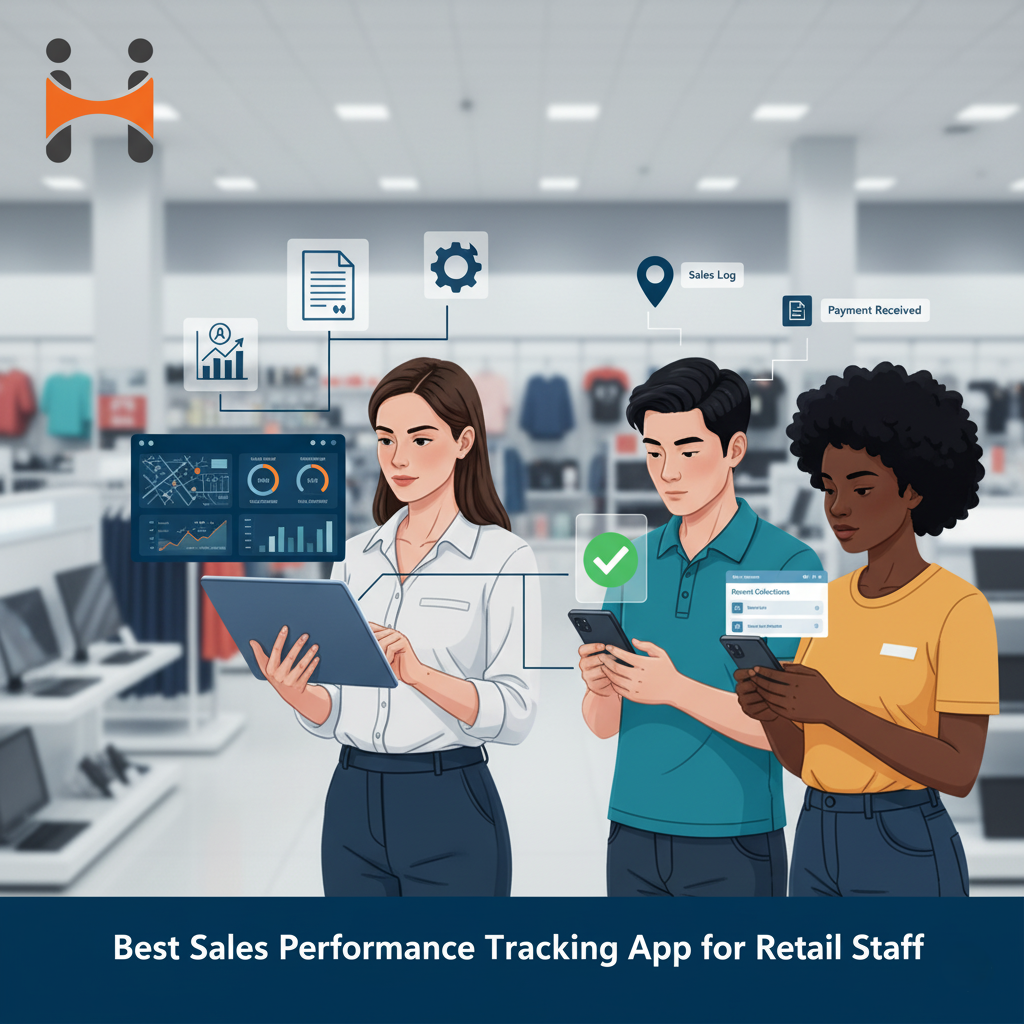
    Happisales makes the process simple. Our field force automation software gives managers real-time visibility while retail staff can log visits, sales, and collections without delay. If you are looking for the best sales performance tracking app for retail staff, Happisales is a reliable field sales app for retail teams that helps them stay productive, accountable, and efficient.

    Why Retail Teams Need the Best Sales Performance Tracking App for Retail Staff?

    Retail field staff keep your business running. They make sure products are on shelves, promotions are carried out, and customer relationships stay strong. But without the right tools, managers are left with manual reports, delayed updates, and guesswork.

    The common problems are:

    • Missed store visits or routes not planned well
    • Not enough visibility into how each person or the team is doing
    • Sales, collections and stock updates come in late
    • Hard to track KPIs for retail staff properly
    • Staff lose motivation when there is no recognition or incentives

    The best sales performance tracking app for retail staff helps solve these issues. Managers get real-time data on visits, sales orders, and completed tasks. This improves accountability, speeds up decisions, and keeps teams productive.

    From our experience, even one missed visit can cause lost sales or empty shelves. With Happisales, managers know where each rep is, which stores are covered, and whether daily targets are being met.

    Field Sales App Features for Retail Teams

    A good app helps retail teams work smarter. Here are the main features.

    1. Real-Time Sales Tracking

    Field staff can log customer visits and sales instantly with Happisales. Managers see which stores are visited and where to focus.

    Benefit: No missed details, and managers can act fast.

    1. Order and Collection Management

    Staff can place orders, check catalogs, and record payments digitally. Managers track revenue and pending collections.

    Benefit: Less paperwork, accurate orders, and payments.

    1. Field Force Automation

    Happisales plans visits, sends reminders, and creates performance reports. This lets the team focus on selling, not admin tasks.

    Benefit: More work done with fewer errors.

    1. GPS and Location Tracking

    Happisales tracks staff locations in real time. Managers see where everyone is and can plan better routes.

    Benefit: More accountability and less wasted time.

    1. Offline Mode

    Staff can log visits, orders, and collections without internet. Data syncs when they’re back online.

    Benefit: Work continues without delays.

    1. Route Planning and Task Reminders

    Happisales optimizes routes based on store locations and schedules. Notifications remind staff of appointments.

    Benefit: Saves time and boosts store coverage.

    1. Daily Sales Reporting

    Managers get daily reports and dashboards to track KPIs like sales, orders, and visits. Reports are easy to use and act on.

    Benefit: Clear view of team performance and store coverage.

    1. Expense Tracking

    Staff submit travel or field expenses through the app. Managers review and approve them digitally.

    Benefit: Less paperwork and better expense accountability.

    1. Recognition and Incentives

    Managers can recognize achievements, send notifications, and set performance incentives. Leaderboards motivate staff.

    Benefit: Happier, more motivated employees.

    1. AI-Powered Insights

    Happisales uses AI to highlight key customers, suggest visit orders, and show performance trends.

    Benefit: Smarter decisions and better sales results.

    How Happisales Tracks KPIs for Retail Staff?

    Tracking KPIs for retail staff helps manage field teams. With Happisales, managers can track:

    • Number of store visits per day
    • Sales targets achieved versus assigned
    • Collection efficiency
    • Stock availability and order accuracy
    • Task completion rate

    Real-time KPIs let managers spot weak areas and offer support or coaching. Daily retail sales reporting app can boost team productivity by up to 25 percent. Dashboards are simple, visual, and easy to act on.

    Use Cases of Happisales for Retail Teams?

    Happisales helps retail teams work better. Here are its main use cases.

    Daily Sales Execution
    Field reps log visits and orders in the app. Managers get instant updates to ensure all stores are covered and reports are accurate.

    Collections and Payments
    Retail staff record payments on-site. Finance teams can reconcile collections right away.

    Route Optimization
    Reps use optimized routes to save time and visit more stores without overworking.

    Employee Motivation
    Leaderboards and recognition features keep retail staff motivated and focused on performance.

    Performance Insights
    Managers get AI suggestions to identify high-value customers and improve sales strategies for weaker areas.

    Why Happisales is the Best Sales Performance Tracking App for Retail Staff?

    Picking the right sales performance tracking app helps the retail teams to run smoothly. Happisales is a top choice because:

    • Field force automation for retail includes real-time tracking, AI insights, and offline mode.
    • It keeps retail staff accountable, transparent, and productive.
    • Daily retail sales reporting app features track KPI for retail staff and show clear dashboards.
    • The mobile app is easy to use, so staff can log tasks quickly without oversight.
    • The retailers says that  Happisales improves team management. One saw 30 percent more store visits in a month.

    Benefits of a Sales Performance Tracking App for Retail Staff

    • Use real-time tracking so managers can see what the team is doing in the field.
    • Automate routine tasks to give your team more time to focus on selling instead of reporting.
    • Look at analytics through dashboards and AI suggestions to find patterns and spots that need attention.
    • Reward performance by recognizing achievements and using leaderboards and incentives.

    Doing these things helps retail teams work more efficiently, sell more, and stay motivated.

    Top Features of a Field Sales App for Retail Teams

    The best sales performance tracking app for retail staff should include:

    1. Field sales app for retail teams
    2. Field force automation for retail
    3. Daily retail sales reporting app
    4. KPI tracking for retail staff
    5. GPS tracking with route optimization
    6. Offline access for remote areas
    7. Order and collection management
    8. Expense tracking and approvals
    9. Recognition and incentive tools
    10. AI-powered insights

    Happisales puts all these features in one easy-to-use app built for retail teams.

    What’s Next? 

    Start using Happisales with your team and see how it works in real situations. Make sure every retail staff logs visits, sales, and collections daily. The dashboards in the daily retail sales reporting app help you track KPI for retail staff and spot gaps quickly.

    Follow the routes suggested by the app and set reminders so your field sales app for retail teams keeps everyone on track. Use recognition and incentives to motivate the team and keep them performing well.

    With field force automation for retail, routine tasks like planning visits and sending updates happen automatically, freeing your team to focus on selling. Keep checking reports to fix issues and make sure store coverage is complete.

    Try the free trial and experience the best sales performance tracking app for retail staff in action. You’ll see how it improves productivity, sales, and overall team accountability.

  • What Is Field Force Management Software? Features & Benefits

    What Is Field Force Management Software? Features & Benefits

    Managing field teams is not easy. Sales reps, service staff, and distributors spend most of their time in the field. Without proper tools, tracking visits, tasks, and performance is guesswork.

    Field force management software helps teams stay organized and productive. It tracks employees, manages orders and collections, and gives managers visibility into daily operations. Happisales field force software combines scheduling, tracking, and reporting in one platform.

    Why Businesses Use Field Force Management Software?

    Field teams face challenges. Missed appointments cost revenue. Manual reporting slows decisions. Poor route planning wastes time. Tracking employee performance is hard without proper tools.

    Field Force Tracking and Visit Verification

    Happisales provides field force tracking using GPS and geofencing to verify visits and ensure accountability.

    Field Force Scheduling Software for Efficient Task Management

    Use field force scheduling software to assign tasks, optimize routes, and plan daily work efficiently.

    Order and Collection Management Made Easy

    Order & collection management lets field reps record sales and payments instantly. Managers can approve and review reports in real time.

    Offline Field Force App and Real-Time Dashboards

    The offline field force app allows teams to log data without internet. Real-time dashboards give managers visibility into daily operations and team performance.

    Key Features of Happisales Field Force Software

    GPS Tracking for Employees and Route Optimization

    Track employees with GPS tracking for employees and plan the best paths using route optimization. Reduce travel time and increase coverage.

    Task and Visit Logging for Field Teams

    Log all customer interactions with task and visit logging. Keep accurate records of orders, collections, and service calls.

    Motivation Tools for Employees and Employee Performance Tracking

    Boost performance with motivation tools for employees and employee performance tracking. Managers get insights through ML-based insights to improve productivity.

    Benefits of Field Force Management Software

    • Enhanced productivity by reducing admin work
    • Increased transparency for managers
    • Operational efficiency through optimized routes and automated processes
    • Faster decision-making using dashboards and insights
    • Improved customer engagement with timely visits
    • Employee motivation via recognition and incentives
    • Scalable field operations as teams grow

    Industries That Benefit From Field Force Software

    • FMCG sales tracking and distribution management software
    • Pharma sales management and retail merchandising software
    • Financial services collections
    • Service and maintenance tracking

    How to Implement Field Force Management Software Successfully

    Start with a pilot program for field software. Train staff and managers, gather feedback, and adjust workflows. Gradually scale features like route optimization, expense tracking, and field force tracking.

    Important KPIs for Field Teams

    • Customer visit tracking
    • On-time visit percentage
    • Conversion rate per visit
    • Average travel time
    • Collections vs target
    • Active app usage

    Return on Investment From Field Force Software

    Companies see results in stages. First three months improve reporting and reduce admin work. Three to nine months increase visits and speed up orders. Nine to eighteen months optimize coverage and coaching. Happisales field force software helps improve ROI faster.

    Choosing the Right Field Force Management Software

    • Offline support and data syncing
    • GPS tracking, geofencing, and visit verification
    • Field force scheduling software for task management
    • CRM or ERP integration
    • Real-time dashboards and reports
    • Field staff training and onboarding
    • Scalability as teams grow

    Why Choose Happisales Field Force Software?

    Happisales platform is simple and practical. Log visits, orders, collections, and expenses easily. Works offline. Provides ML-based insights, notifications and reminders, and motivation tools for employees. Improves operational efficiency and employee performance tracking.

    Try a Happisales demo or start a Happisales trial Call- +91 9944585452 .

    What’s Next?

    Field force management software helps managers track operations and improves team efficiency. With Happisales field force software, scheduling, tracking, and reporting are simple. Teams stay accountable, managers stay informed, and customer service improves.


  • What Is a Distributor Consumer Management System?

    What Is a Distributor Consumer Management System?

    What Is a Distributor Consumer Management System and Why Your Business Needs It?

    Running a distribution business in India isn’t easy. Stock sometimes runs out, orders get delayed, and sales reps may log visits they didn’t really make. Collections pile up, and managers often work with reports that are already old.

    A Distributor Consumer Management System helps fix this. It does more than billing or POS. It connects your stores, field teams, and back-office so you can see what’s happening, keep your team accountable, and run operations smoother.

    Happisales made its system for Indian businesses that want to track employees responsibly, make field work easier, and get collections done faster without making the software complicated.

    What Exactly Is a Distributor Consumer Management System?

    • Sales visits made easy: A sales rep visits a store and places orders on their phone. Payment is recorded instantly.
    • Real-time inventory updates: Warehouse sees stock changes immediately, preventing stockouts.
    • Expense tracking simplified: Travel or delivery costs are logged in the app and quickly approved by the manager.
    • Manager oversight: Managers can see rep locations, which stores were visited, and pending orders.
    • One hub for operations: From order to delivery to collection, everything is tracked in real time, keeping stores, field teams, and finance on the same page.

    The Challenges Indian Businesses Face

    When we work with distributors, FMCG companies, and retail chains, few problems keep coming up, they are:

    1. No real-time visibility
      Field reps and stores often don’t work on the same timeline. Orders from the field reach the warehouse late or sometimes not at all. Stock data is old, shelves empty, sales missed, customers unhappy
    2. Manual stuff causes losses
      Using Excel, WhatsApp, or paper slows things down. Collections take longer, expense claims pile up, revenue quietly goes missing
    3. Accountability and coaching weak
      Managers don’t have proper data. They cant be sure if reps visited customers, what happened there, or why sales dropped. Coaching ends up guesswork not based on real numbers

    How a Distributor Consumer Management System Solves These Problems ?

    Real-time order and inventory sync

    It keeps everything updated so nothing slips through the cracks.

    • Orders they take on mobile update right away or as soon as the network is back
    • The inventory adjusts automatically to avoid stockouts or duplicate deliveries
    • This means faster deliveries and happier customers

    Employee location tracking with geotagged visits

     It lets managers know where reps are during work hours without overstepping privacy.

    • They can track locations only during working hours
    • Photos and notes tagged with locations confirm the visits
    • The coverage reports help them coach reps more effectively

    Planned beats and route optimization

    It automatically plans routes to save travel time and let reps meet more customers.

    • The routes are based on geography and customer priority
    • They can visit more stores per day
    • This lowers fuel and travel costs

    Offline-first mobile app

    It allows reps to work even when the network is bad.

    • They can log orders, expenses, and notes offline
    • The data syncs automatically once the connection is back
    • This works well in Tier-2 and Tier-3 cities
    • It ensures they don’t miss opportunities due to weak networks

    Order-to-Collection Flow

     It covers everything from taking the order to generating the invoice, collecting payment, and reconciling accounts.

    • Managers see dashboards with alerts for overdue collections
    • This helps them improve cash flow, speed up collections, and reduce DSO

    Expense Tracking and Approvals

     Reps submit bills and receipts through the app.

    • Managers approve or reject them with a single click
    • The data syncs with payroll or ERP
    • This lets them process reimbursements faster, get clearer visibility into expenses, and simplify accounting

    Analytics, KPIs, and Smart Recommendations

     It tracks over 15 metrics like daily visits, order conversion, average order size, and route adherence.

    • Smart suggestions show which customers they should focus on and which reps need coaching
    • This helps them make decisions based on real data and steadily improve performance

    Why This Matters for Indian Businesses?

    Affordable with fast ROI

    Many small and mid-sized business worry about software costs. They see results like faster collections and fewer stockouts within 60 to 90 days. It usually pays for itself quickly.

    Easy to use

     Field reps don’t need long training. They can use it on their phones, in local languages, and learn it in one session.

    Builds trust

     It tracks only during work hours. Managers see the data they need, and reps feel respected. This makes them more likely to use it and keeps the team motivated.

    Practical Examples from Real Customers

    • A regional distributor cut stockouts by 30 percent in three months by syncing field orders with the store inventory. It helped them keep the shelves full and satisfy customers.
    • A sales manager increased daily customer visits by 22 percent using route planning. They also saw their collections improve at the same time.
    • An FMCG company shortened reimbursement timelines from weeks to the same week. It made the field team happier and saved the HR team time.
    • These results came from setups that matched the real workflows. They didn’t force big changes, and that’s why the teams adopted it quickly.

    Tracking Employee Location Responsibly

    Tracking employees the right way is key to building trust.

    Time-window tracking
    Track only during work hours. They don’t need to worry about being monitored outside of work.

    Data minimization
    Keep only what’s necessary, like visit timestamps and geotags. It avoids unnecessary clutter and keeps things simple.

    Access controls
    Only the managers who need the data can see it. They don’t get access to information they shouldn’t.

    Retention policies
    Old logs are deleted automatically. It keeps the system tidy and secure.

    Following these practices lets the business get visibility without hurting trust.

    How a DCMS Differs from Basic POS or RMS?

    • A POS only handles transactions. It does not show them what is happening in the field.
    • A basic RMS tracks inventory and generates reports. It still does not give them real-time updates from the field.
    • Happisales DCMS brings together POS, RMS, field force automation, offline use, employee tracking, and analytics.
    • It lets them connect field activities to sales, see who is covering which areas, and reduce gaps in order-to-cash.

    Steps to Roll Out Happisales Smoothly

    • Start with a pilot in one or two regions with 10 to 30 reps. This helps them get used to the system without overloading.
    • Look at how they work now and fit those processes into the system. Don’t force big changes, it confuses them.
    • Keep training short and give small rewards so they actually want to use it.
    • Expand slowly, region by region, and watch the KPIs to see what needs changing.
    • Use analytics to improve routes and help with coaching.
    • They take to the system faster when they see quick wins like faster reimbursements and less time on road.

    KPIs to Track Success

    • Stockouts percentage
    • Orders per rep per day
    • Delivery time in hours/days
    • Collection timelines/DSO
    • Expense processing time
    • Active rep adoption rate
    • Trial-to-paid conversion

    Note: Start by noting baseline numbers. Check weekly for the first 90 days, then monthly.

    Common Pitfalls and How to Avoid Them

    Trying to do everything at once usually backfires. They should focus on order capture and route planning first when using a distributor and consumer management system.

    Change management can get messy if people don’t see progress. Keep KPIs visible, training short, and reward small wins. Field force automation software helps track these improvements in real time.

    Tracking can feel like spying if not done right. Limit it to work hours and be transparent about what you track. Sales tracking software can make this easier without being intrusive.

    ERP integrations often slow things down. Plan them early so the team doesn’t end up repeating work and data stays synced across the system.

    What’s Next?

    A distributor and consumer management system with field force automation, offline features, and responsible employee tracking can really change how they work.

    It helps them handle sales better, collect payments faster, and keep their teams accountable without breaking trust with the field staff.

    If they want to track employee locations, plan smarter routes, and avoid stockouts, Happisales make it simple and reliable.

    Discover how our game-changing solution can transform your daily operations. Start your 14-day FREE trial today – no credit card required! See the difference for yourself and take control of your success.

    Click here to start your free trial!

  • Store Management System with Field Force Automation

    Store Management System with Field Force Automation

    How a Store Management System Like Happisales Transforms Sales and Field Operations?

    Running sales and store operations in India is not easy. Products run out of stock. Orders get delayed. Sales reps sometimes log fake visits. Collections pile up. And managers often rely on paper reports that are already outdated by the time they arrive.

    Happisales is designed to be the best store management system India for businesses that want real-time visibility, faster collections, and trustworthy employee tracking. Our platform also acts as a field force automation software for FMCG, helping distributors, pharma, and retail chains manage their field teams efficiently.

    This is where a modern store management system makes a difference. It’s not just about POS or billing anymore. It’s about connecting your stores, field sales, and back office into one system so you know exactly what’s happening in real time.

    Why the meaning of “store management system” has changed?

    Old view
    A tool to manage billing, POS, and stock inside a store.

    Today’s view
    A cloud system that links billing, inventory, sales tracking, employee location, beat planning, expense claims, and analytics.

    The winner is no longer the software with the fastest checkout. It’s the one that connects the store with your sales team on the road.

    The three big problems Indian businesses face :

    1. No real-time visibility
      Field reps and stores work on different timelines. Orders taken in the field reach stores late or not at all. Stock data is unreliable.
    2. Losses from manual processes
      Paper orders, delayed collection reconciliation, and expense claims handled in Excel cause leakages and waste time.
    3. Poor accountability and coaching
      Managers don’t know if a rep visited a customer, what happened there, or why orders are dropping. Feedback is based on guesswork.

    We’ve seen these issues again and again with distributors, FMCG, pharma, and retail chains. That’s why we designed Happisales to fix them.

    How Happisales solves these problems?

    Real-time order and inventory sync

    • Reps capture orders on their phone
    • Orders sync instantly or once the rep is back online
    • Inventory updates immediately
    • Stockouts drop and customers get faster delivery

    Employee location tracking with visit proofs

    • Track rep locations only during work hours
    • Geotagged photos and notes confirm visits
    • No fake visit claims
    • Managers get transparent coverage reports

    Planned beats and route optimization

    • Routes are auto-created based on geography and customer priority
    • Reps travel less and meet more customers each day
    • Fuel and travel costs come down

    Offline-first mobile app

    • Works without internet
    • Reps can still log orders, collections, and expenses
    • Data syncs when network returns
    • Essential for Tier 2 and Tier 3 regions

    Order to collection flow

    • Covers order capture, invoice, payment, and reconciliation
    • Managers get collection dashboards and alerts
    • Cash flow improves and DSO comes down

    Expense tracking and approvals

    • Reps upload bills and receipts inside the app
    • Managers approve or reject with one click
    • Data flows into payroll or ERP
    • Reimbursements are faster and clearer

    Analytics and coaching tools

    • Tracks 15+ metrics like visits per day, order conversion, average order size, route use
    • AI nudges suggest which customers to prioritize or which reps need training
    • Coaching is based on data, not guesswork

    Why this matters for Indian businesses?

    • Affordable with fast ROI
      Most Indian SMEs worry about software cost. Happisales clients see benefits like faster collections and fewer stockouts within 60–90 days. The system pays for itself quickly.
    • Simple to use
      Field reps don’t need long training. The app is mobile-first, works in local languages, and is easy to learn in a single session.
    • Mobile-first adoption
      Many reps in India only use smartphones. Happisales is designed for that. No laptop or IT team required.
    • Trust over tracking
      Tracking is transparent and limited to business hours. Managers see what they need, reps feel respected. This balance builds trust.

    Practical results we’ve seen:

    • A regional distributor cut stockouts by 30% in three months by syncing field orders with store inventory.
    • A sales manager increased customer visits by 22% using route optimization. Collections improved in the same quarter.
    • An FMCG company reduced reimbursement timelines from weeks to same-week approval. Field morale improved and HR saved time.

    Using location tracking responsibly

    • Inform employees how, when, and why location data is tracked
    • Track only during work hours not 24×7
    • Save only what’s needed for visits and collections
    • Limit access so only relevant managers can see it
    • Auto-delete old logs after an agreed period

    This keeps employee trust while giving managers the accountability they need.

    Why Happisales is different from POS or basic RMS?

    • POS = billing and receipts only
    • Basic RMS = inventory and reports
    • Happisales = POS + RMS + field automation + employee tracking + offline mode + analytics

    This is the difference between knowing only store sales and connecting it to field performance, customer visits, and collections.

    How to roll this out without friction?

    1. Pilot first
      Test in one or two regions with 10–30 reps.
    2. Map current processes
      Fit existing order and collection flows into the system. Don’t force big changes.
    3. Train and reward
      Keep training short. Use small incentives to encourage adoption.
    4. Scale slowly
      Expand region by region. Watch the KPIs and tweak.
    5. Keep improving
      Use analytics to refine routes and focus coaching.

    Teams adopt faster when they see quick wins like faster reimbursements or fewer hours wasted on the road.

    What to track (KPIs)?

    • Stockouts percentage
    • Orders per rep per day
    • Delivery time in hours or days
    • DSO or collection timelines
    • Expense processing time
    • Active reps vs total reps
    • Trial to paid conversion

    Always note baseline numbers before rollout. Check weekly in the first 90 days, then monthly.

    Common pitfalls and fixes :

    • Trying to solve everything at once
      Start with order capture and route planning first.
    • Change management issues
      Use short training, visible KPIs, and small rewards.
    • Overly intrusive tracking
      Keep it transparent and limited to working hours.
    • ERP integration delays
      Plan integrations early to avoid double work.

    What’s next?

    A store management system that links sales, collections, expenses, and employee tracking gives measurable results. The gains are faster collections, fewer stockouts, and better accountability — all with respect for employee privacy.

    Ready to experience the best store management system India and field force automation software for FMCG? Start a free 14-day trial with no credit card and see how Happisales can transform your sales, collections, and field operations.

  • Best Sales Management Software in India (2025)

    Best Sales Management Software in India (2025)

    In my 10+ years as a product strategist and sales management software company founder in India, I’ve seen countless startups and SMEs struggle with a common problem: an ad-hoc sales process. Teams rely on a mix of WhatsApp, Excel sheets, and memory to manage leads, resulting in missed follow-ups, lost data, and a chaotic sales funnel. I’ve witnessed firsthand how a business with great potential can stagnate because its sales engine isn’t built on a solid, scalable foundation. 📈

    In a country where the software market is projected to hit US$18.4 billion by the end of 2025, according to IDC, the right sales technology isn’t a luxury—it’s a necessity for survival and growth. The Indian market, in particular, demands solutions that are not only powerful but also intuitive, affordable, and tailored to local sales workflows. This is where a dedicated sales management software becomes a game-changer. It helps you bring order to the chaos, providing your team with a clear, shared view of the sales pipeline.

    We’ll cover everything you need to know about choosing and implementing the best sales management software in India, with a special focus on the features and benefits that matter most for Indian businesses. We’ll also show why our own solution, happisales, is engineered to be the most effective tool for this market.


    The best sales management software in India centralizes lead data, automates follow-ups, and provides real-time analytics to help sales teams close deals faster and more efficiently.


    Why Indian Businesses Need a Dedicated Sales Management Software

    For Indian startups and SMEs, the sales landscape is highly competitive and fast-paced. A one-size-fits-all global CRM often fails to address the unique challenges of the Indian market.

    Key challenges we see every day include:

    • High lead volume from diverse sources: Leads pour in from IndiaMart, JustDial, social media ads, and even WhatsApp, making it difficult to consolidate and track them manually.
    • A mobile-first workforce: Sales reps are often on the move. They need a robust mobile app that works offline and allows them to update lead status, log calls, and access customer history from anywhere.
    • The need for local integrations: Seamless integration with popular local communication tools like WhatsApp and payment gateways is critical for a smooth sales process.
    • The desire for affordability and scalability: Businesses need a solution that is cost-effective and can grow with them, without prohibitive per-user pricing or complex, long-term contracts.

    A tailored sales management software directly addresses these pain points. It transforms a scattered, manual process into a streamlined, automated system. By adopting the right platform, companies can improve lead conversion rates, increase team productivity, and gain clear visibility into their sales performance, which is essential for making data-driven decisions.

    Essential Features to Look for in an Indian Sales CRM

    When you’re evaluating options for your business, don’t just look at a list of features. Think about how each feature will solve a specific problem for your sales team.

    Lead Management and Nurturing

    Effective lead management is the foundation of any successful sales process. The software should be able to:

    • Automatically capture leads from all your sources, including landing pages, social media, and third-party platforms.
    • Assign leads to the right salesperson instantly.
    • Score leads based on engagement, so your team focuses on the most promising prospects.
    • Provide a complete history of every interaction with a lead.

    Our experience with clients at happisales has shown that an automated lead assignment system can reduce response time by over 50%, directly impacting conversion rates.

    Pipeline and Opportunity Management

    A visual, drag-and-drop sales pipeline is a non-negotiable feature. It gives you a clear overview of where every deal stands.

    • Visual Pipeline: A clear, customizable pipeline view with different stages (e.g., Prospect, Qualified, Proposal, Closed-Won).
    • Deal Tracking: Ability to track deal value, expected close date, and activity history for each opportunity.
    • Task Automation: Automated reminders for follow-ups, calls, and meetings. This prevents leads from falling through the cracks, a common issue in a busy sales environment.

    Real-time Reporting and Analytics

    You can’t manage what you don’t measure. A good sales software provides deep, actionable insights.

    • Sales Dashboards: Customizable dashboards to track key metrics like revenue, won/lost deals, and team performance.
    • Forecast Reports: Accurate sales forecasting based on your pipeline data.
    • Performance Metrics: Individual and team performance reports to identify top performers and areas for coaching.

    Communication and Collaboration

    For sales teams, communication is everything. The software should facilitate seamless interaction with customers and within the team.

    • Integrated Calling and Email: The ability to make calls and send emails directly from the software, with automatic logging.
    • WhatsApp Integration: Given the prevalence of WhatsApp in Indian business communication, native integration is a massive advantage. This allows reps to chat with clients and log conversations directly in the CRM.
    • Internal Chat: A built-in chat function to quickly collaborate with team members on a specific deal.

    Mobility and Accessibility

    Sales reps in India are frequently on the road, meeting clients or visiting sites. A powerful mobile app is crucial.

    • Offline Access: The app should allow reps to work offline and sync data once they are connected to the internet.
    • Geo-tagging and Location Tracking: Features that help managers track field sales team activities and verify meeting locations.
    • Mobile-first UI: An intuitive, clean user interface that makes it easy to update records on the go.

    A Comparative Look at Sales Management Software in India (2025)

    The Indian market has a wide range of options, from global giants to home-grown solutions. Each has its own strengths, but the best fit depends on your business size, industry, and budget.

    Here’s a summary table comparing some of the most popular platforms in India in 2025:

    Tailored for India: Solutions like happisales are built specifically for the Indian market, contrasting with global giants like Salesforce, which are more suited for large enterprises and often come with high costs and complex implementation.

    Key Competitors: Global players like Salesforce, and more affordable, broader CRMs such as Zoho CRM and Freshsales, are also popular choices.

    Feature Focus: While Zoho CRM provides a wide range of business tools and Freshsales offers AI-powered features, happisales stands out with its seamless integrations for local tools like WhatsApp and a mobile app optimized for field sales.

    Implementation & Cost: For Indian startups and SMEs, the fast and simple implementation and affordable, transparent pricing of a localized solution like happisales are a significant advantage over the complex and costly rollout of a global platform.

    This is precisely why we built happisales. We saw a gap in the market for a sales management software that combines the power of a world-class CRM with the specific, on-the-ground needs of Indian businesses. From our simplified, transparent pricing to our native WhatsApp integration and mobile-first design, every feature is built to help an Indian sales team win.

    The Role of AI in Modern Sales Management for India

    Artificial Intelligence is no longer just a buzzword; it’s a powerful tool that is transforming how sales teams work. AI-powered features in sales management software can significantly enhance productivity and decision-making.

    Here’s how AI is making a difference:

    • AI Lead Scoring: Algorithms analyze lead data and past behavior to score prospects, telling you which ones are most likely to convert. This helps your team focus on high-priority leads and not waste time on dead ends.
    • Predictive Analytics: AI can forecast future sales trends and highlight potential risks in your pipeline, allowing you to proactively adjust your strategy.
    • Conversational Intelligence: AI analyzes call transcripts and meeting notes to identify keywords, sentiment, and action items. This provides invaluable coaching opportunities for sales managers and ensures no detail is missed.

    For example, a sales manager in a Delhi-based logistics company using an AI-powered CRM can see that a specific sales rep’s call transcripts consistently lack a mention of key competitor benefits. The manager can then provide targeted coaching to improve that rep’s pitch, leading to better outcomes.

    The Rise of Generative AI Chatbots for Sales and Support

    Beyond the core CRM, companies in India are increasingly adopting Generative AI Chatbots to automate initial customer interactions. These chatbots, when integrated with your sales software, can:

    • Handle routine inquiries 24/7 on your website or WhatsApp channel.
    • Qualify leads by asking a series of questions and then automatically creating a new lead in your CRM.
    • Provide instant answers to frequently asked questions, freeing up your sales team to focus on high-value conversations.

    This integration is a perfect example of how combining modern technology can create a highly efficient, automated sales funnel. You can learn more about how we help businesses build and implement these solutions with our Generative AI Chatbots service.

    From Spreadsheets to Software: The Implementation Journey

    Migrating from a manual system to a dedicated software can seem daunting, but a well-planned transition is key to success.

    Here’s a simple, four-step process we recommend for Indian businesses:

    1. Start with a small team: Don’t try to roll out the software to your entire sales force at once. Pick a small, tech-savvy team as a pilot group to test the new system and iron out any issues.
    2. Clean your data: Before migrating, ensure your existing lead and customer data is clean and organized. This is a critical step to ensure a smooth transition and maintain data integrity.
    3. Provide comprehensive training: Don’t just give your team a login and hope for the best. Provide hands-on training and ongoing support. Show them how the software will make their lives easier, not just add another task to their day.
    4. Celebrate small wins: Acknowledge and celebrate when the team uses the new system to close a deal or save time on a tedious task. This builds momentum and encourages wider adoption.

    We’ve seen businesses in Mumbai and Bangalore successfully make this transition. The most successful ones were those where the leadership was fully bought into the process and actively championed the new system.


    People Also Ask

    What are the main benefits of a sales management software?

    The main benefits include centralized lead data, automated workflows, improved team collaboration, and real-time analytics for better decision-making. These features help businesses close more deals and increase revenue.

    How is a sales management software different from a CRM?

    A sales management software is a type of CRM that focuses specifically on the sales process, while a CRM (Customer Relationship Management) is a broader category that can include modules for marketing, customer service, and sales. All sales management software is a CRM, but not all CRMs are focused solely on sales.

    Is CRM software expensive for small businesses in India?

    Not necessarily, as many Indian and global companies now offer affordable, scalable plans tailored to small and medium businesses. Solutions like happisales and freemium models from providers like Zoho CRM and HubSpot have made powerful sales tools accessible to businesses of all sizes in India.

    Can sales software integrate with WhatsApp?

    Yes, many modern sales software solutions, especially those designed for the Indian market, offer native or API-based integrations with WhatsApp. This allows sales teams to manage customer conversations directly from the CRM without switching apps.


    Conclusion: Investing in Your Sales Future

    Choosing the right best sales management software in India is one of the most important decisions you can make to drive growth. It’s an investment not just in a tool, but in the future of your sales team and your business. The market is full of options, but the key is to find a solution that understands the unique pulse of the Indian business landscape.

    We built happisales with this exact purpose. From our experience working with hundreds of Indian companies, we’ve identified and solved the core challenges that hold back sales teams. By providing an intuitive, powerful, and deeply localized platform, we are helping businesses transition from chaos to a confident, scalable sales operation.

    If you’re ready to streamline your sales process and empower your team to sell smarter, we invite you to explore what a purpose-built solution can do for you.

    Visit our website to learn more about our Product Engineering Services and how we can help you build a robust sales pipeline that works for your business.