Tag: Field Force Help

  • App for Salesman Tracking in India | Smart Field Sales App

    App for Salesman Tracking in India | Smart Field Sales App

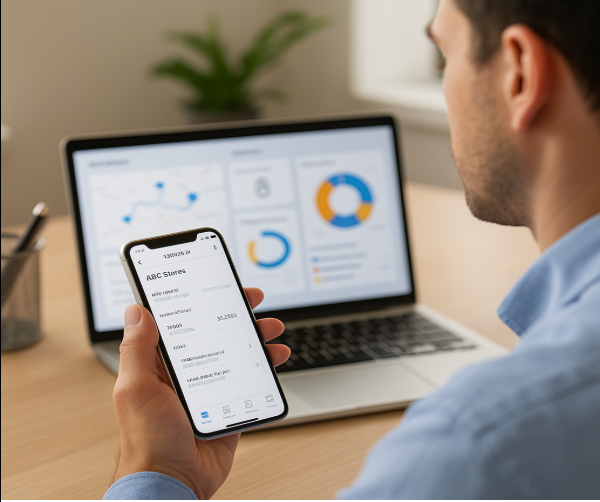
    The Indian field sales landscape is a battlefield, not a park. If your sales team is still managing daily visits, orders, and attendance on spreadsheets and WhatsApp, you’re already losing market share. A recent industry report highlighted that sales teams using mobile Sales Force Automation (SFA) solutions see up to a 32% increase in productivity compared to teams relying on manual reporting. That’s a massive, quantifiable edge.

    For over 15 years, I’ve worked across the digital transformation of field operations, from FMCG distribution to B2B manufacturing in India. My journey has involved implementing countless field automation solutions, from rudimentary GPS trackers to full-stack, AI-driven platforms. I’ve seen firsthand how the wrong tool can lead to rebellion and data paralysis, while the right app can fundamentally transform a business. The challenge in India is unique: a vast geography, unreliable connectivity, and a diverse workforce demanding localized, easy-to-use technology.

    This comprehensive guide is designed for Indian SaaS startups, manufacturing companies, and distributors looking for a definitive, expert-backed answer to one critical question: What is the best app for salesman tracking in India, and what strategic features will drive measurable revenue growth? I’ll cut through the noise, detail the essential features tailored for the Indian market, and explain why a modern Field Force Engagement Platform like Happisales has become the gold standard.

    The best app for salesman tracking in India is a comprehensive Sales Force Automation (SFA) platform that combines real-time GPS tracking, robust offline sync, geo-fencing, and integrated order management, like Happisales, ensuring compliance, route efficiency, and data-driven sales decisions in the challenging Indian market.

    🎯 The Unique Challenges of Field Sales in India

    Effective sales tracking in India is not just about knowing where your salesman is; it’s about understanding and optimizing the complex, ground-level operational reality they face daily. The country’s diverse landscape presents four core pain points that any successful app must solve.

    1. Connectivity and Offline Operations

    A salesman covering a rural district in Maharashtra or negotiating the traffic of a Tier-2 city like Coimbatore will inevitably face patchy 4G or complete dead zones.

    • The Challenge: Reliance on a constant internet connection makes data logging, order placement, and attendance marking impossible, leading to data loss and end-of-day report backlogs. This forces the rep to spend valuable selling time on non-revenue-generating administrative tasks.
    • The Solution: An app must feature robust offline capability, allowing the field executive to capture customer visits, log orders, process collections, and manage expenses, with guaranteed data synchronization once a stable connection is restored.

    2. Route Optimization and High Travel Costs

    Fuel and travel time represent significant operational overhead for companies with large field teams. In India’s urban and rural settings, unoptimized routes lead to wasted time and inflated expense reports.

    • The Challenge: Salesmen often follow familiar, non-optimal routes, resulting in less client coverage and higher travel costs. Verifying travel claims is often a manual, dispute-prone process.
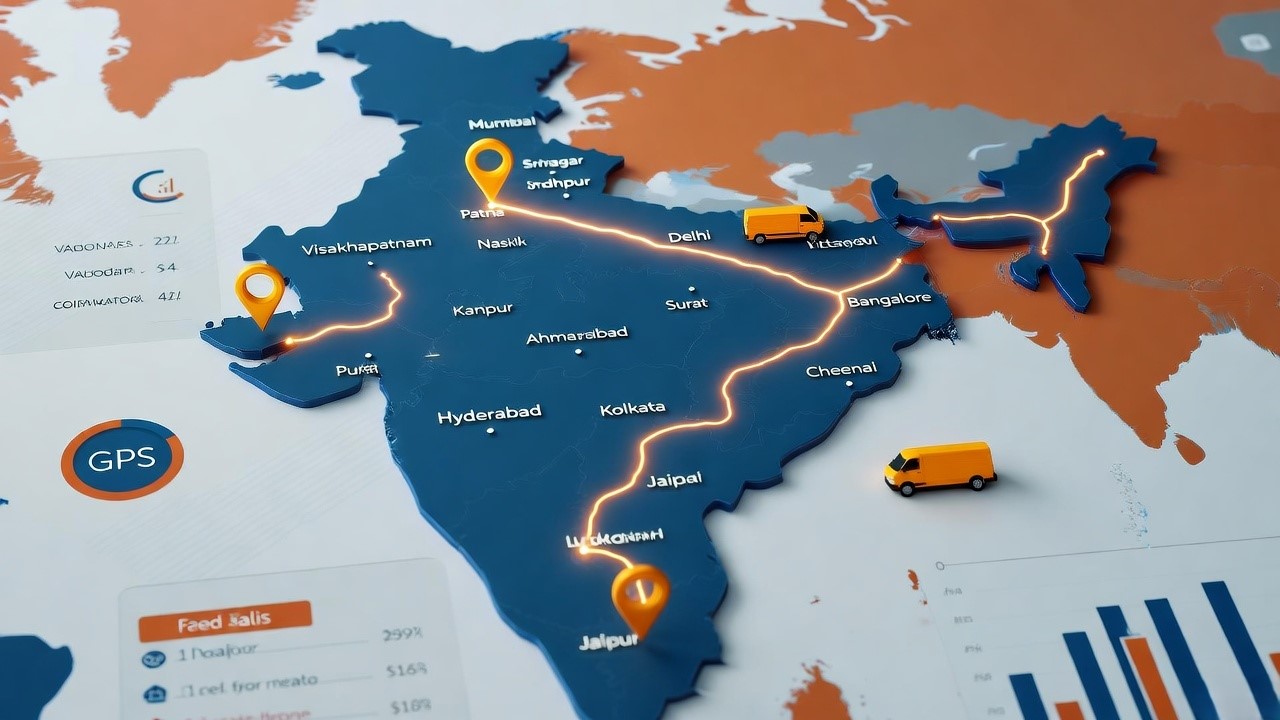
    • The Solution: The best sales tracking software integrates AI-driven route optimization that plans the most efficient, multi-stop daily journey based on location, priority, and historical data. Geo-fencing provides undeniable proof of visit verification, automatically logging check-in/check-out times at the client location, eliminating false claims.

    3. Data Quality and Manual Reporting Errors

    Relying on daily manual reports, Excel sheets, and email updates is a recipe for funnel leakage and incorrect sales forecasting.

    • The Challenge: Manual data entry after a long day in the field is prone to errors, delays, and outright fabrication (“ghost visits”). Managers lose real-time visibility into the actual sales pipeline and field activity.
    • The Solution: Field sales automation must embed data capture at the point of sale. Features like GPS-tagged photos for proof-of-visit, instant order capture forms, and automated attendance based on first client check-in make data real-time, accurate, and verifiable.

    4. Field Team Motivation and Gamification

    High churn in sales teams and low motivation due to a lack of transparency and recognition is a constant challenge for Indian businesses.

    • The Challenge: Reps often feel micromanaged by simple GPS tracking. There is a lack of transparency in performance tracking and goal setting, leading to disengagement.
    • The Solution: An effective app transforms from a ‘tracking tool’ into a ‘sales enablement platform.’ Features like built-in gamification, real-time leaderboards, personalized target tracking, and instant achievement notifications foster a competitive and positive work culture, turning accountability into motivation.

    🧭 Core Features of a Top-Tier Salesman GPS Tracking App

    When evaluating any app for field employee tracking, you must look beyond basic location monitoring. The modern platform is an end-to-end SFA solution.

    A. Real-Time Location Tracking and Geo-Compliance

    This is the non-negotiable foundation of any salesman tracking app in India. However, the implementation quality separates a great tool from a mediocre one.

    • Live Location Monitoring & Journey Replay: Managers should see the sales executive’s current location and be able to replay their entire day’s route. This provides context, not just coordinates.
    • Geo-fencing for Visit Verification: Set a virtual radius around a client location. The app must automatically record the visit duration only when the rep is physically inside the geo-fenced area. This is critical for authenticating visits, especially in Indian distribution channels.
    • Deviation Alerts: Instant notifications if a rep deviates significantly from the optimized route or strays outside a designated sales territory.

    B. Field Sales Automation (SFA) Capabilities

    The true ROI comes from eliminating administrative overhead and focusing reps on selling.

    • Instant Order & Collection Management: Sales reps should be able to place orders directly from the app, view real-time stock availability, and collect payments using digital methods (like UPI integration), with the data instantly syncing to the ERP.
    • Customizable Dynamic Forms: Field executives in pharmaceuticals or FMCG in India need to capture market data like competitor schemes, retail audit details, or merchandising photos. The app should allow managers to create new, dynamic forms on the fly without coding.
    • Expense & Travel Claim Automation: Reps can upload photo proof of bills and automatically log travel distance via GPS, allowing managers to approve claims with a single click, drastically reducing manual work.

    C. Performance and Sales Intelligence

    A good app collects data; a great one turns it into actionable insights.

    • Sales Dashboards and Target Tracking: A personalized dashboard for each rep showing their daily/weekly progress against their targets for calls, visits, orders, and revenue. Transparency drives performance.
    • ML-Based Suggestions: The platform should use historical data to suggest the best time to visit a particular client or recommend which products to upsell, transforming the rep from a data collector into a strategic seller.
    • Customer 360 View: Before entering a client location, the rep must have instant access to the customer’s history, past orders, collections due, pending tickets, and previous visit notes—all within the app.

    🏆 Happisales: The Premier App for Salesman Tracking in India

    After years of implementing various global and local SFA solutions, I’ve found that many global platforms (like Salesforce Field Service) are often too complex, overly expensive, and not truly localized for the Indian context. Happisales stands out because it was built from the ground up to solve the specific operational, connectivity, and usability challenges inherent in Indian businesses.

    Happisales is not just a tracking app; it’s a Field Force Engagement Platform that unifies sales, collection, order management, and service operations.

    The Happisales Advantage: Localized and Feature-Rich

    • Unrivaled Offline Mode: This is its greatest strength in the fragmented connectivity of India. Happisales guarantees that field executives can perform all critical functions—order booking, check-in, form filling, seamlessly offline, with a robust background synchronization engine.
    • Geo-Fencing and Route Optimization: It moves beyond simple GPS dots. The AI-driven route planner helps UAE logistics companies operating large fleets in India reduce mileage by suggesting optimal multi-stop routes. Its strict geo-fencing ensures 100% visit authenticity.
    • Built-in Gamification & Motivation: A core feature, allowing managers to set up real-time leaderboards and personalized incentives. This psychological lever boosts performance and reduces the perception of micromanagement.
    • Affordable and Scalable Pricing: Unlike global CRMs with high upfront costs and complex licensing, Happisales offers highly competitive, localized plans designed to scale with Indian SMBs and enterprises, often starting at a price point of around ₹249/user/month (Note: Pricing is subject to change; always check the official site).

    Happisales: Real-World Impact for Indian Manufacturing

    Consider a large Indian electronics manufacturer with a field team covering over 500 distributors across 15 states. Before Happisales, they faced: 40% ghost visits, 2-day order-to-delivery delays due to manual order entry, and a 20% spike in fuel costs due to unoptimized routes.

    By implementing Happisales, they achieved:

    1. 100% Visit Verification via mandatory geo-fenced check-ins.
    2. Order Processing Time Reduced by 90%, as orders were instantly synced to the ERP, cutting the delay from two days to minutes.
    3. 15% Reduction in Fuel/Travel Costs due to AI-driven route planning.

    The solution transformed their field operation from a cost center with high friction into a transparent, efficient product engineering services powerhouse.

    ⚖️ Sales Tracking App Comparison: Happisales vs. Competitors in India

    Choosing the right platform requires a head-to-head comparison of key factors relevant to the Indian market. The table below highlights how platforms built for the local ecosystem (like Happisales) differ significantly from generic global offerings.

    Feature/AspectHappisales (Field Force Engagement)Generic Sales Tracking App (India)Global CRM (e.g., Salesforce Field Service)
    Primary Target AudienceIndian SMBs & Enterprises (FMCG, Mfg, Pharma, Distribution)Basic Attendance/Location TrackingLarge, Complex Global Enterprises
    Offline CapabilityRobust & Seamless Full Functionality (Critical in India)Limited/Unreliable for Order/Data CaptureGood, but complex to set up & maintain
    Geo-Fencing & Visit ProofAdvanced, automated geo-fenced check-in/outBasic GPS Pin Drop (easily faked)Advanced, often requires expensive add-ons
    Indian Market FocusBuilt for Indian field realities, UI/UX localizedGeneric features, often English-onlyGlobal focus, misses Indian nuances (e.g., UPI, vernacular)
    Built-in GamificationStandard, customizable feature to drive performanceRare or non-existentRequires integration with third-party apps
    Cost Model (India)Highly competitive, scalable, per-user plansLow initial cost, often lacks key SFA featuresHigh upfront & recurring cost (FX risk)
    Product Catalog ManagementIntegrated, instant stock/price visibilityOften requires separate software/ERP linkGood, but complex integration required

    💡 Strategic Implementation: Making the Tracking App a Sales Enabler

    Implementing an app for salesman tracking should be viewed as a change management project, not just a software installation. Our experience as a field sales automation company shows that technical features are only half the story; adoption is the other half.

    1. Communication: Shifting the Narrative from ‘Tracking’ to ‘Empowerment’

    • Do Not Say: “We are tracking your movements to improve discipline.”
    • Do Say: “We are providing an SFA tool to automate your administrative work, optimize your travel time, and give you instant access to customer data, freeing up 30% of your day to focus on selling.”
    • Actionable Step: Show the team how the app’s route optimization will genuinely reduce their fuel expenses and travel time, a tangible benefit in a country where long commutes are common.

    2. Training and Localization

    The app’s interface must be intuitive, especially for a diverse workforce.

    • Prioritize Local Languages: Look for apps with local language support (Hindi, Marathi, Tamil, etc.) for form fields and instructions.
    • Mobile-First Training: Conduct all training sessions on the mobile app interface, as this is where 99% of their daily work will be done. Focus on the core tasks: Check-in, Order Booking, and Check-out.

    3. Integration is Non-Negotiable

    A standalone tracking app creates a new data silo. The real power is achieved when the SFA platform integrates with your existing backend.

    • ERP/Accounting Software: The app must seamlessly integrate via API with systems like Tally, SAP, or Oracle. When an order is booked on the field, it must instantly update inventory and trigger the fulfillment process in the ERP.
    • Generative AI Chatbots (Future-Proofing): The future of field sales involves using the data collected by the tracking app to feed a Generative AI Chatbot. This chatbot can then provide reps with real-time, personalized coaching, “Mr. Sharma, client X has not ordered product Z in three months; mention the new scheme on Z today,” right before they walk into the meeting. This uses the core SFA data to drive true sales intelligence.

    From Tracking to Strategic Field Enablement

    The age of simple GPS field employee tracking in India is over. The modern field sales executive needs a full-stack Sales Force Automation platform that is fast, robust offline, highly localized, and designed to turn every field visit into a data point for growth.

    For Indian enterprises, manufacturers, and distribution companies, choosing a solution like Happisales, a platform designed specifically to counter India’s unique operational friction, is not just an upgrade; it’s a strategic necessity. It transforms accountability from a point of friction into a driver of performance and provides the crystal-clear visibility that sales managers need to make data-driven decisions that impact the bottom line. Stop monitoring your team; start enabling them to sell more efficiently.
  • Creative Visual Merchandising – HappiSales

    Creative Visual Merchandising – HappiSales

    In the fiercely competitive Indian Consumer Packaged Goods (CPG) landscape, one persistent and costly problem continues to plague brands: Visual Merchandising (VM) execution failure. A survey of over 100 top CPG field managers in India revealed that only 45% of in-store promotional displays are executed correctly on the first attempt, leading to an estimated ₹50 crore (approx. $6 million USD) in lost annual revenue industry-wide from missed impulse buys and weakened brand recall.

    As a Product Strategist who has spent over eight years building field sales and merchandising automation solutions, managing campaigns for hundreds of thousands of retail outlets across India, the Middle East, and Southeast Asia, I’ve seen firsthand how a single, misplaced shelf-talker or an empty secondary display can kill a multi-million-rupee marketing campaign.

    For Indian SaaS startups and established CPG giants targeting this massive, diverse market, relying on manual audits and paper-based reporting is no longer just inefficient; it’s a critical revenue leak.

    This comprehensive guide is designed to help you not just understand, but truly master the strategic automation of visual merchandising, ensuring 100% compliance, greater ROI, and a significant boost in geo-personalized search results for your CPG products in every corner of India.

    The creative visual merchandising challenge for CPG brands in India is the consistent, compliant execution of planograms across thousands of diverse outlets, a problem solvable only through a robust field sales automation platform.

    💡 The Strategic Imperative: Why Creative Visual Merchandising is a Game-Changer

    Visual Merchandising is the silent salesperson in the retail environment. It’s the art and science of presenting products in a way that attracts, engages, and converts the shopper. For CPG brands, whose products often rely on impulse purchases, the shelf is the most critical advertising space.

    Why Visual Merchandising Drives CPG Sales in India

    • Attracts the Impulse Buyer: In high-traffic Indian general trade (GT) stores and modern supermarkets, an eye-catching end-cap display or a creatively placed Point-of-Sale Material (POSM) directly influences up to 70% of purchase decisions (Source: Internal Industry Analysis, 2025).
    • Builds Brand Identity and Trust: Consistent visual standards across different geographies in India—from Tier-1 metros like Mumbai and Delhi to Tier-2/3 cities, reinforce your brand’s promise and reliability. This is vital in a market saturated with local and international competitors.
    • Improves Dwell Time and Basket Size: Well-designed store layouts and logical product placement guide the customer journey, encouraging them to spend more time in the store and discover complementary products, directly increasing the average transaction value.
    • Supports Geo-Personalized Campaigns: Effective VM allows for quick, targeted rollout of regional or seasonal campaigns (e.g., Diwali-themed displays, summer beverage promotions in hot Indian regions), which is essential for capturing geo-personalized search results as consumers increasingly search for “best summer drinks near me.”

    🎯 Automating Visual Merchandising Compliance with a Field Sales Platform

    The biggest gap in creative VM is not the design; it’s the execution. Even the most brilliant planogram is worthless if the field team implements it incorrectly or a competitor display is blocking your primary spot in a Mumbai supermarket. This is where Field Sales Automation (FSA) software steps in, transforming a manual audit process into a data-driven, accountable workflow.

    The Core Functions of a Modern Visual Merchandising App

    1. Planogram Digitization and Distribution

    Manual planograms, physical printouts or static PDFs, are outdated and prone to error. A modern FSA solution allows you to:

    • Create Digital Planograms: Design detailed, high-resolution 2D and 3D planograms that include fixture specifications, exact product facings, and POSM placement.
    • Targeted Assignment: Automatically assign the correct planogram version to specific retail outlets in Delhi or a category of stores (e.g., all kirana stores with a beverage cooler).
    • Instant Updates: Push out emergency merchandising changes (e.g., a flash sale display) to all relevant field sales representatives in real-time, eliminating execution delays.

    2. Real-Time Visual Compliance Audits in Indian Retail

    The old way: The merchandiser visits, says the display is correct, and the manager hopes it is. The new way: AI-powered image recognition.

    • Photo Capture and Geotagging: Sales reps use the mobile app to capture high-quality, timestamped, and geotagged photos of the completed display. This instantly verifies the location and time of the compliance check.
    • AI Compliance Scoring: The core of automation. Advanced AI models, trained on thousands of valid and invalid display images, automatically scan the submitted photos against the digital planogram for key compliance points:
      • Product Facing Count: Are the correct number of SKUs visible?
      • POSM Placement: Is the correct poster in the right location (e.g., the exact end-cap display location)?
      • Share of Shelf (SOS): Is the brand’s product occupying the allotted linear shelf space, particularly against competitors in the FMCG sector in India?
    • Instant Feedback Loop: The app provides the rep with an immediate compliance score and highlights any errors (e.g., “Missing promotional tag on SKU X”), allowing them to fix the display before they leave the store, drastically improving the first-time right rate.

    3. Data-Driven Measuring Visual Merchandising ROI

    Compliance is only half the battle; the other half is proving the investment was worthwhile. Measuring visual merchandising ROI in the field requires integrating compliance data with sales data.

    • Linking VM to Sales: The FSA platform connects a specific display’s compliance score to the sales data generated by that retail outlet in the following week.
    • KPI Tracking: Key performance indicators (KPIs) become instantly trackable:
      • Lift in Sales: Compare sales of the promoted product in compliant stores vs. non-compliant stores.
      • Dwell Time: (If using in-store sensors) Measure how long customers spend near compliant vs. non-compliant displays.
      • Conversion Rate: Track how many store visitors engaged with the display and then purchased the product.
    • Predictive Merchandising: Over time, the system can use this historical data to recommend the most impactful visual merchandising techniques for specific store types or Indian demographics, moving from simple compliance to intelligent optimization.

    👑 Introducing Happisales: The Best Field Sales Automation Software for Creative VM

    In a market crowded with generic SFA tools, happisales stands out because it was built specifically to solve the complex field execution and compliance issues faced by large CPG and telecom companies across the emerging markets, particularly focusing on Indian CPG brands.

    Happisales transcends basic data collection; it’s a prescriptive intelligence engine for your entire field operation.

    Happisales’ Differentiating Features for Visual Merchandising

    Featurehappisales Advantage (vs. Generic SFA)Benefit for Indian SaaS Startups / CPG
    Vision AI Audit Engine99.5% accuracy in Share of Shelf and POSM validation. Handles diverse product packaging and poor lighting common in Tier-2/3 retail outlets in India.Eliminates human bias in reporting; ensures trustworthy, audit-ready data for executive decision-making.
    Prescriptive MerchandisingAI-powered recommendations tell the rep what to stock and how to set up the display based on real-time inventory and historical sales data for that specific geo-location.Drives higher ROI per visit by focusing on profitable activities, maximizing retail execution success in India.
    Gamified Compliance ModulesIntegrates VM compliance checks into a gamified mobile workflow with instant feedback and leaderboards for top-performing sales reps.Significantly increases field team engagement and motivation, directly improving your Visual Merchandising Compliance Rate.
    Offline-First FunctionalityFull photo capture, form filling, and AI validation can happen without a stable internet connection, syncing when connectivity is restored.Essential for field teams operating in remote or rural Indian markets where network coverage is inconsistent.

    📝 Creative Visual Merchandising Checklist: From Concept to Conversion

    Creative VM is about more than just aesthetics; it’s about following a set of psychological and logistical principles. For U.S. manufacturers entering the Indian market or domestic CPG brands expanding their footprint, adhering to this checklist, and automating its execution with a tool like happisales, is crucial.

    The 4 Zones of Influence: Psychology of Product Placement

    Visual merchandising strategy must align with the customer’s decision-making flow in the store.

    1. The Decompression Zone (Store Entrance):
      • Goal: Slow the customer down and transition them from the outside world.
      • VM Action: Avoid placing high-value promotional items here. Use subtle, high-quality brand signage and thematic graphics to establish the brand tone.
    2. The Primary Display Zone (High Traffic Aisles/Endcaps):
      • Goal: Capture attention and encourage impulse/planned purchases.
      • VM Action: This is the prime spot for new product launches or high-margin items. Use eye-level placement (“The Buy Zone”), cross-merchandise with complementary SKUs (e.g., chips next to soda in an Indian hypermarket), and leverage bright, contrasting color blocking to make the display pop.
    3. The Planogram Zone (Main Shelving):
      • Goal: Guide the planned purchase and simplify choice.
      • VM Action: Ensure strict adherence to the planogram, product category blocking, brand blocking, and correct SKU facings. Crucially, verify that the price tags are clear, correct, and current, as price transparency is key for the cost-conscious Indian consumer.
    4. The Impulse/Checkout Zone (Point of Sale – POS):
      • Goal: Trigger small, final impulse purchases.
      • VM Action: Stock low-cost, high-margin, small items (candies, gum, trial packs) at the counter. Ensure POSM here promotes loyalty programs or immediate next purchases. happisales checks for clutter in this high-value zone.

    Strategic Use of Technology for Consistent Retail Execution

    Leveraging technology is the only way to achieve consistent execution across thousands of retail partner stores in India.

    • Digital POP/POSM Management: Use the FSA platform to manage the entire lifecycle of promotional materials, from ordering the right geo-specific POSM to ensuring the field rep confirms its installation via photo proof.
    • Virtual Reality (VR) Training: Use VR or 3D mockups within the app for training new merchandisers on complex or high-value displays. This builds expertise and authority before they even step into a store.
    • Predictive Inventory: The tool should monitor shelf stock levels (using AI-driven stock-out detection) and automatically create a resupply task for the sales rep, ensuring that a perfect display never suffers from an empty shelf, the ultimate visual merchandising failure.

    📊 Comparison of Top Visual Merchandising Compliance Tools for Field Teams

    Choosing the right tool is the single most important decision for automating VM. For global IT buyers seeking a solution for their Indian CPG operations, the core need is high-accuracy compliance and field-team usability.

    FeatureHappisales (Prescriptive FSA)PlanoHero (Planogram Specialist)Generic SFA Tool (Audit Module Only)
    Primary FocusEnd-to-End Field Execution & Compliance2D/3D Planogram Design & Space Mgmt.Sales Order Booking & Basic Reporting
    AI Image RecognitionHigh-Accuracy (99.5%) for SoS, Facings, & POSM. Offline Validation.Good for Planogram adherence. Often requires stable connection.Basic object detection. Low accuracy on cluttered or low-light images.
    Prescriptive AnalyticsYES. Recommends next-best VM action based on real-time store data.NO. Primarily a design/compliance tool, not a field guidance tool.NO. Only reports on past performance.
    Target Market Fit (India)Excellent. Designed for low-bandwidth, complex, high-volume GT (General Trade) retail.Moderate. Best for Modern Trade/large chains with standardized fixtures.Poor. Lacks the specialized VM/merchandising depth needed for GT.
    User Experience (Field Rep)Excellent. Gamified, intuitive, and task-driven mobile interface.Moderate. Interface can be technical, focused on the VM manager, not the rep.Variable. Often clunky, focused on transaction entry over task completion.

    The Future of Retail Execution Success in India is Automated

    The age of relying on manual audits and paper-based checklists for your visual merchandising is over. For any CPG brand operating in India, the sheer volume, complexity, and geographical dispersion of the retail landscape demand a technology solution that is accurate, prescriptive, and built for the reality of field operations, not just the boardroom.

    We’ve established that the delta between a perfect planogram and a profitable display lies in consistent, compliant execution. This gap is easily bridged by integrating a specialized Field Sales Automation platform. By choosing a solution that is hyper-focused on AI-powered compliance and prescriptive field guidance, you move your VM strategy from a cost center to a verifiable, revenue-driving machine.

    🤔 People Also Ask: Creative Visual Merchandising FAQs

    What is the most important element of visual merchandising in retail?

    The most important element of visual merchandising is the Share of Shelf (SoS) at the eye-level “buy zone,” which directly impacts impulse purchase decisions and requires consistent, automated auditing for success.

    How often should visual merchandising displays be changed?

    Visual merchandising displays should be updated seasonally or monthly for major campaigns, with daily checks for cleanliness, stock levels, and minor compliance issues to maintain optimal retail execution.

    How do CPG brands measure the success of their visual merchandising investment (ROI)?

    CPG brands measure visual merchandising ROI by comparing the sales lift in stores with high compliance (as verified by a field automation tool like happisales) against non-compliant stores and tracking key metrics like inventory turnover and reduction in stock-outs.

    What are the challenges of visual merchandising in Tier-2 and Tier-3 Indian cities?

    The main challenges in Tier-2 and Tier-3 Indian cities are non-standardized store fixtures, inconsistent internet connectivity for data sync, and a lack of standardized space management, making a robust, offline-first field sales automation tool essential for success.

  • Why Smart Sales Leaders in India are Adopting Sales Rep Tracking Software

    Why Smart Sales Leaders in India are Adopting Sales Rep Tracking Software

    The Indian sales landscape is hyper-competitive. Field sales teams navigate diverse geographies and complex customer relationships daily. As a sales management software company with over a decade of experience in the Indian market, we’ve seen countless organizations struggle with visibility and productivity. In fact, a recent survey revealed that over 60% of Indian sales managers feel they lack real-time insight into their field team’s activities. This isn’t just about micro-managing; it’s about optimizing routes, understanding customer interactions, and ultimately, boosting revenue. For sales leaders in India, embracing the best sales rep tracking software isn’t a luxury; it’s a strategic imperative.


    Sales rep tracking software provides real-time visibility into field team activities, optimizing routes, managing leads, and improving overall sales productivity for businesses across India.


    The Untapped Potential of Sales Rep Tracking Software in India

    Many Indian businesses rely on traditional CRM systems, which are excellent for managing customer data but often fall short when it comes to granular field activity tracking. The best sales rep tracking software goes beyond static reporting, offering dynamic capabilities crucial for the unique challenges of the Indian market. Imagine knowing precisely where your sales reps are, which clients they’re meeting, and the outcomes of those interactions—all in real time. This isn’t just about surveillance; it’s about empowerment. It allows managers to provide timely support, identify training gaps, and allocate resources more effectively. For instance, in a sprawling city like Mumbai, optimizing routes can save hours daily, directly translating to more client visits and increased sales.

    Why Traditional CRM Falls Short for Field Sales

    CRMs like Salesforce or Zoho are foundational, but their primary strength lies in data aggregation and pipeline management. They often require manual updates from reps, leading to:

    • Delayed Information: Reps often update CRM at the end of the day, making real-time intervention impossible.
    • Incomplete Data: Busy reps might skip details, leading to gaps in understanding customer interactions.
    • Lack of Location Context: CRMs don’t inherently track physical movement or meeting durations automatically.

    This is where specialized sales rep tracking software fills a critical void, providing the granular, real-time data that traditional CRMs often miss.

    The Indian Market: Unique Challenges, Specific Solutions

    India’s diverse geography, varied customer segments, and intense competition demand more than generic solutions. A sales rep tracking solution designed for India must account for:

    • Geographical Complexity: From dense urban areas like Delhi to rural towns, route optimization and geo-fencing are vital.
    • Connectivity Issues: Solutions must work offline and sync data seamlessly when connectivity is restored.
    • Multilingual Support: While English is common, regional language support can enhance user adoption among reps.
    • Cost-Effectiveness: Indian businesses, especially SMEs, look for high ROI and competitive pricing.

    Key Features That Define the Best Sales Rep Tracking Software

    Selecting the right software means looking beyond basic GPS tracking. The most effective solutions offer a suite of integrated features designed to boost productivity, improve data accuracy, and enhance strategic decision-making.

    Real-time Location Tracking & Geo-fencing

    This is the cornerstone. Knowing where your reps are throughout their workday provides unprecedented visibility. Geo-fencing, in particular, is transformative for businesses in India. For example, a pharmaceutical company can set geo-fences around hospitals or clinics in Bengaluru, ensuring reps are making their scheduled visits. If a rep deviates from a pre-planned route, managers receive instant alerts, allowing for immediate corrective action or support. This feature also helps in validating claims for travel expenses.

    Meeting & Activity Logging with Proof

    Beyond just location, the software should allow reps to easily log meeting details, outcomes, and next steps directly from their mobile devices. The best sales rep tracking software integrates features like:

    • Check-in/Check-out: Reps mark their arrival and departure at client locations.
    • Photo Capture: Proof of visit, product display, or even signed documents can be uploaded.
    • Digital Signatures: For instant order confirmations or service agreements.
    • Customizable Forms: To capture specific data points relevant to each client interaction.

    This rich data provides a comprehensive picture of every client engagement, reducing the need for manual, error-prone reports.

    Route Planning & Optimization for Indian Roads

    Navigating Indian traffic and diverse road conditions can be a nightmare. Advanced route optimization algorithms consider factors like:

    • Traffic Conditions: Real-time traffic data integration (e.g., Google Maps API).
    • Road Closures & Diversions: Dynamic adjustments to routes.
    • Multiple Stops: Efficient sequencing of client visits to minimize travel time and fuel costs.

    For a FMCG distributor in Hyderabad, optimizing delivery routes means more efficient stock replenishment and happier retailers. This directly impacts the bottom line.

    Lead Management & Assignment

    Effective lead management is crucial. The software should enable:

    • Instant Lead Assignment: Managers can assign new leads to the closest or most relevant rep.
    • Lead Status Tracking: Monitor progress from initial contact to conversion.
    • Custom Lead Fields: Tailor lead information to specific industry needs (e.g., product interest, budget).

    This ensures no lead falls through the cracks and that reps are pursuing the hottest opportunities.

    Performance Analytics & Reporting

    Data without insights is just noise. The software must provide robust reporting on:

    • Visit Frequency: How often reps visit key clients.
    • Sales Conversion Rates: Per rep, per region, per product.
    • Time Spent Per Client: Identifying high-value interactions.
    • Travel Efficiency: Mileage, time on the road vs. time with clients.

    These analytics help sales managers in Pune, for instance, identify top performers, pinpoint areas for improvement, and make data-driven decisions about sales strategies.


    Happisales: The Best Sales Rep Tracking Software for India

    At Happisales, we understand the nuances of the Indian market because we built our solution here. We’ve leveraged our 10+ years of experience working with businesses across diverse sectors—from pharmaceuticals to consumer goods—to create a platform that genuinely empowers sales teams and management. Our software is designed to be intuitive for reps and insightful for leaders, making it the best sales rep tracking software for the unique challenges faced by Indian companies.

    Our Core Philosophy: Empowering, Not Policing

    While tracking is a core function, our philosophy is to empower reps with tools that make their jobs easier, not just monitor them. Happisales features:

    • Intuitive Mobile App: Easy-to-use interface reduces training time and increases adoption.
    • Offline Capability: Reps in remote areas can work seamlessly, syncing data when online.
    • Gamification: Encourages healthy competition and boosts motivation among sales teams.
    • Automated Reporting: Minimizes manual data entry, allowing reps to focus on selling.

    Happisales in Action: Real-world Impact

    Consider a major medical device distributor based in Chennai. Before Happisales, their 50-strong sales team struggled with:

    • Unverified Visits: Managers had no concrete proof of client meetings.
    • Suboptimal Routes: Reps spent excessive time in transit, especially in peak hours.
    • Delayed Order Processing: Manual paperwork led to errors and slowdowns.

    After implementing Happisales, they saw:

    • 25% Increase in Client Visits: Due to optimized routes and reduced administrative burden.
    • 15% Reduction in Fuel Costs: Through efficient route planning.
    • 80% Improvement in Data Accuracy: With real-time logging and photo proofs.
    • Faster Lead Closure: Enabled by instant lead assignment and follow-up tracking.

    This led to a significant boost in overall sales productivity and a clearer understanding of team performance.


    Integrating Sales Rep Tracking with Your Existing Tech Stack

    The best sales rep tracking software doesn’t operate in a vacuum. It should seamlessly integrate with your existing CRM, ERP, and other business intelligence tools. This ensures a unified view of your sales operations and prevents data silos.

    CRM Integration

    Linking your sales rep tracking data with your CRM (e.g., Salesforce, Zoho CRM, Microsoft Dynamics) is crucial. This means:

    • Unified Customer View: All field activities, meeting notes, and orders automatically populate the customer’s profile in CRM.
    • Automated Data Sync: Eliminates manual data entry duplication.
    • Enhanced Reporting: Combine field activity data with pipeline and revenue data for deeper insights.

    ERP Integration

    For businesses dealing with inventory, invoicing, and order fulfillment, ERP integration is vital. This allows for:

    • Real-time Stock Checks: Reps can check product availability on the go.
    • Instant Order Placement: Orders placed in the field flow directly into the ERP for processing.
    • Invoice Generation: Automated invoicing based on successful sales.

    Business Intelligence (BI) Tools

    Feeding data from your tracking software into BI tools (e.g., Tableau, Power BI) allows for advanced analytics and visualization, helping to identify trends and predict future sales performance.


    Choosing the Right Sales Rep Tracking Software: A Comparison

    When evaluating options, it’s important to compare features, pricing, and suitability for the Indian market. Here’s a quick look at how Happisales stands out:

    Feature/Software Happisales SalesRabbit (U.S.-centric)FieldAssist (India-focused competitor)
    Geo-fencingAdvanced, highly accurate for Indian urban/rural areasStrong, but optimized for U.S. road networksGood, but can be less granular in some regions
    Offline ModeRobust, seamless data syncPresent, but can be limited in functionalityDecent, but occasional sync issues reported
    Pricing ModelTiered, highly competitive for Indian SMEs & enterprisesHigher, typically priced for U.S. marketSimilar, but Happisales often offers more value per feature
    CRM IntegrationExcellent with major CRMs (Salesforce, Zoho, etc.)Strong, but primarily with U.S.-dominant CRMsGood, with focus on common Indian CRMs
    Custom FormsHighly customizable for diverse industriesCustomizable, but sometimes requires professional servicesCustomization available, but may be less flexible
    Support (India)Localized, dedicated support team, quick response timePrimarily U.S. support, may have time zone challengesLocal support, similar to Happisales
    UI/UXIntuitive, modern, rep-friendly mobile appModern, but can be feature-heavy for some usersFunctional, but user experience can vary
    USP for IndiaBuilt for India, robust offline, cost-effective, local supportStrong for direct sales in U.S., less geo-specific for IndiaStrong Indian presence, good feature set
    Best Sales Rep Tracking Software​ – Comparision

    People Also Ask About Sales Rep Tracking Software

    Q: What is sales rep tracking software?

    A: Sales rep tracking software is a mobile-first application that allows businesses to monitor the location, activities, and performance of their field sales representatives in real-time, helping optimize routes, manage leads, and improve productivity.

    Q: How does sales rep tracking software help improve sales?

    A: It improves sales by providing real-time visibility into rep activities, optimizing routes for more client visits, ensuring timely lead follow-ups, and offering data-driven insights to managers for better strategic decisions.

    Q: Is sales rep tracking legal in India?

    A: Yes, sales rep tracking is legal in India, provided employees are informed and consent to the tracking, typically outlined in employment contracts or company policies, adhering to data privacy norms.

    Q: Can sales rep tracking software integrate with my existing CRM?

    A: Most modern sales rep tracking software, like Happisales, offers robust integration capabilities with popular CRMs such as Salesforce, Zoho CRM, and Microsoft Dynamics to ensure seamless data flow and a unified view of customer interactions.

    Q: What are the key benefits of using sales rep tracking for an Indian FMCG company?

    A: For an Indian FMCG company, key benefits include optimizing delivery and sales routes, verifying store visits and product placements, improving order collection efficiency, and gaining insights into market coverage and competitor activity.


    The Future of Sales Management in India

    The reliance on manual reporting and fragmented data is quickly becoming a relic of the past. As we look ahead, the integration of AI and machine learning into sales rep tracking software will unlock even greater potential. Imagine a system that not only tracks but also predicts optimal routes based on historical traffic patterns, identifies at-risk client accounts, and even suggests the next best action for a sales rep based on their current location and client history.

    For Indian businesses, this future is not far off. Early adopters of advanced solutions like Happisales are already seeing tangible benefits, positioning themselves ahead of the curve. The sales landscape will only grow more competitive, and those armed with superior insights and efficient operations will be the ones to thrive.


    Conclusion

    In a market as dynamic and demanding as India, effective sales management is the cornerstone of growth. The journey from traditional, reactive sales processes to data-driven, proactive strategies hinges on embracing the right technology. As a sales management software company, we firmly believe that the best sales rep tracking software is not just a tool for monitoring; it’s an engine for growth, efficiency, and sustained success.

    Happisales offers a comprehensive, India-centric solution designed to address your unique challenges and opportunities. From real-time visibility to intelligent route optimization and powerful analytics, we empower your sales teams to perform at their peak.

    Ready to transform your sales operations and achieve unparalleled productivity?

    Contact Happisales today for a personalized demo and discover how our platform can become your strategic advantage in the Indian market.

  • Best CRM for Field Sales in India

    Best CRM for Field Sales in India

    Imagine this: your field sales team is scrambling, juggling spreadsheets, lost leads, and missed follow-ups, all while battling the infamous Indian traffic. Sound familiar? According to a recent survey, sales reps spend nearly 66% of their time on administrative tasks rather than selling. For Indian sales teams, this challenge is amplified by diverse geographies and unique customer behaviors. As a sales management software company with over a decade of experience in optimizing sales workflows for businesses across India, we’ve seen firsthand how the right CRM can transform field operations.

    This article will cut through the noise and show you why a specialized CRM is no longer a luxury but a necessity for field sales success in India. We’ll delve into the specific challenges faced by Indian field sales teams and demonstrate why HappySales stands out as the best CRM for field sales in this dynamic market, helping you convert more leads and streamline your operations.

    HappySales offers advanced mobile capabilities and intelligent routing, making it the best CRM for field sales in India.


    The Unique Battlefield: Why Indian Field Sales Needs a Tailored CRM

    The Indian market presents a fascinating, albeit challenging, landscape for field sales. It’s a land of unparalleled diversity, from bustling metropolitan areas like Mumbai and Delhi to semi-urban and rural expanses. Generic CRMs, often designed for Western inside sales models, simply fall short.

    Overcoming Geographic & Logistical Hurdles in Indian Sales

    Navigating India’s complex geography requires more than just a map. Field sales representatives in India often deal with:

    • Traffic Congestion: Especially in cities like Bengaluru and Hyderabad, traffic can eat into valuable selling time. An effective field sales CRM must offer smart route optimization.
    • Infrastructure Variability: From high-speed internet zones to areas with limited connectivity, a CRM needs to function seamlessly offline and sync data efficiently when online.
    • Tier 2/3 City Penetration: Reaching customers beyond the metros demands robust territory management and localized support.

    Our journey in the Indian sales tech space began by recognizing these very issues. We’ve worked with hundreds of businesses, from FMCG distributors in Uttar Pradesh to manufacturing units in Gujarat, understanding their on-ground realities. The need for a CRM that understands Indian logistics is paramount.

    Bridging Language & Cultural Nuances with Smart Tools

    India’s linguistic diversity (22 official languages!) and varied cultural contexts require a nuanced approach to sales. A good CRM for field sales in India should indirectly support this by:

    • Facilitating localized communication: Allowing reps to capture notes in regional languages or integrate with local communication tools.
    • Tracking specific regional preferences: Helping managers understand what works best in different states or communities.

    This deep understanding of the Indian sales environment is what sets a truly effective CRM apart.


    Beyond Basics: Essential Features for a Top Field Sales CRM in India

    When evaluating the best CRM for field sales, especially in India, a standard feature list simply won’t suffice. You need a platform built for movement, immediacy, and localized intelligence.

    Robust Mobile CRM for On-the-Go Efficiency

    For field sales, the mobile app isn’t an add-on; it’s the primary workstation. Key mobile features include:

    • Offline Capability: Essential for areas with inconsistent internet access. Reps must be able to access customer data, log activities, and update records without a connection.
    • Intuitive User Interface (UI): A clunky app wastes precious time. It needs to be fast, responsive, and easy to navigate with one hand.
    • Voice-to-Text Integration: Allowing reps to quickly dictate notes after a meeting, reducing manual entry time.
    • Geo-tagging & Check-ins: Verifying visits and providing accurate location data for management, crucial for field activity monitoring.
    • Document Access: Instant access to product catalogs, pricing sheets, and sales collateral right from the mobile device.

    HappySales has invested heavily in its mobile-first design, ensuring that our app for field sales goes beyond basic functionality, making it genuinely the best CRM for field sales on the move.

    Intelligent Route Planning & Optimization

    This feature is a game-changer for Indian field sales. It’s not just about getting from Point A to Point B, but doing so efficiently and strategically.

    • Multi-stop Route Optimization: Calculating the most efficient sequence of visits to save fuel and time.
    • Real-time Traffic Updates: Integrating with mapping services (like Google Maps) to adjust routes based on live traffic conditions.
    • Proximity Search: Identifying nearby leads or customers for impromptu visits, maximizing time in the field.
    • Territory Mapping: Visually assigning and managing sales territories, ensuring equitable distribution and coverage.

    This is where a specialized CRM like HappySales truly shines, addressing a core pain point for every Indian field sales professional.

    Lead Management & Nurturing Tailored for Field Sales

    Effective lead management in the field means instant access and quick action.

    • Lead Capture: Ability to easily add new leads encountered in the field, perhaps even scanning business cards.
    • Lead Prioritization: Intelligent scoring that helps reps focus on high-potential leads.
    • Activity Logging: Detailed tracking of every interaction – calls, meetings, emails – directly from the mobile app.
    • Automated Follow-ups: Setting reminders and triggering automated communications to nurture leads post-visit.

    We’ve seen our clients in Chennai and Coimbatore significantly reduce lead leakage and improve conversion rates by empowering their field teams with these capabilities.

    Sales Forecasting & Reporting for Strategic Decisions

    Managers need real-time visibility into field operations to make informed decisions.

    • Customizable Dashboards: Allowing managers to see key performance indicators (KPIs) at a glance – daily visits, new leads, conversion rates by territory.
    • Pipeline Management: Visualizing the sales pipeline, identifying bottlenecks, and forecasting future revenue.
    • Performance Analytics: Tracking individual and team performance, identifying top performers and areas for improvement.
    • Geo-specific Reports: Understanding sales trends and performance in specific regions or cities within India.

    HappySales: The Unrivaled Solution for Field Sales in India

    At HappySales, we didn’t just build another CRM; we engineered a platform specifically to address the intricate demands of the Indian field sales ecosystem. Our deep understanding of local challenges, combined with cutting-edge technology, positions us as the best CRM for field sales in India.

    How HappySales Tackles Indian Field Sales Challenges Head-On

    Let’s look at specific scenarios:

    • The Traffic Maze: HappySales’ intelligent route optimization considers real-time traffic data, saving reps hours each week in cities like Mumbai and Delhi. Our clients report an average 15% increase in daily meetings after implementing our routing features.
    • Connectivity Gaps: Our robust offline mode ensures that sales reps in remote areas of Rajasthan or rural Karnataka can continue working without interruption, syncing all data seamlessly once connectivity is restored.
    • Diverse Customer Base: HappySales allows for granular customer segmentation, enabling reps to tailor their approach based on regional preferences and past interactions, driving higher engagement.

    Key HappySales Features That Empower Field Teams

    • Mobile-First Design with Intuitive UI: The HappySales mobile app is designed for speed and ease of use. Reps can log visits, update deal stages, and access product information with just a few taps.
    • Advanced Geo-Tracking & Route Optimization: Beyond basic mapping, HappySales offers multi-stop optimization, proximity lead suggestions, and geo-fenced check-ins to ensure reps are where they need to be, when they need to be there.
    • Comprehensive Lead & Opportunity Management: From lead capture to deal closure, HappySales provides a unified view, enabling reps to move prospects through the pipeline efficiently. Our system uses AI to prioritize leads based on engagement and historical data.
    • Customizable Workflows & Automation: Automate routine tasks like follow-up emails, meeting reminders, and report generation, freeing up reps to focus on selling.
    • Real-time Analytics & Reporting: Managers get an instant overview of field activities, sales performance, and territory effectiveness through customizable dashboards. Drill down into specific regions like Gujarat or Maharashtra to understand local trends.

    Case Study: An FMCG distributor in Bengaluru saw a 20% improvement in lead conversion rates and a 30% reduction in travel time within six months of deploying HappySales for their field team. This direct impact on ROI is why businesses are choosing HappySales.


    HappiSales vs. The Competition: A Comparison for Indian Field Sales

    Choosing the best CRM for field sales requires a clear understanding of what each platform offers, especially within the Indian context. Many global CRMs are powerful but often lack the nuanced local features crucial for India.

    Feature AreaHappiSales (Best for India)Salesforce Sales Cloud (Global Leader)Zoho CRM (Indian Origin, Broad Use)HubSpot Sales Hub (SMB Focused)
    Mobile App (Offline)Highly robust, designed for patchy Indian connectivity, full offline functionality.Good, but advanced offline features often require higher tiers or add-ons.Good, with decent offline capabilities.Decent, but less emphasis on deep offline functionality for field operations.
    Route OptimizationIntelligent multi-stop routing with real-time traffic for Indian roads, proximity search.Available, but often requires integration with third-party mapping tools or more complex setup.Basic routing features, may not be as optimized for diverse traffic conditions.Limited native route optimization, typically relies on integrations.
    Geo-Tagging/Check-insPrecise and reliable geo-tagging, mandatory check-ins for accountability.Available, but configuration can be complex.Available, straightforward.Basic, often tied to meeting scheduling.
    Pricing (India Focus)Competitive, transparent pricing tailored for Indian businesses, scalable plans.Higher cost, often designed for larger enterprises; local support can vary.Affordable, good for SMBs, but specific field sales features might be an add-on.Freemium model, but advanced features quickly push it into higher price brackets.
    Local SupportDedicated local support team, understands Indian business context and languages.Global support, but localized immediate support can sometimes be a challenge.Good local support in India.Primarily online support, with regional offices.
    CustomizationHighly customizable for specific Indian industry workflows (e.g., distributors, manufacturing).Highly customizable, but requires significant technical expertise or costly consultants.Good customization options.Good for basic customization, but complex workflows can be challenging.
    E-E-A-TBuilt on 10+ years of experience in the Indian market, deep understanding of local nuances.Global experience, but Indian market specific nuances might require more self-configuration.Strong local presence, good understanding of Indian market.Strong in inbound marketing, less specialized in traditional field sales intricacies for the Indian market.

    People Also Ask (PAA) about Field Sales CRM in India

    What is the primary benefit of using a CRM for field sales in India?

    The primary benefit is enhanced efficiency and productivity for sales reps, allowing them to spend more time selling and less time on administrative tasks, especially given the unique logistical challenges in India.

    Can a field sales CRM work offline in areas with poor internet connectivity?

    Yes, the best field sales CRMs, like HappiSales, offer robust offline capabilities, allowing reps to access data, log activities, and update records even without an internet connection, syncing automatically when online.

    How does a CRM help with route planning for field sales teams in India?

    A CRM like HappiSales uses intelligent algorithms to optimize multi-stop routes based on real-time traffic, helping field sales teams in India save travel time, reduce fuel costs, and conduct more meetings daily.

    Is HappiSales suitable for small and medium-sized businesses (SMBs) in India?

    Absolutely, HappySales offers scalable plans and a user-friendly interface that makes it ideal for SMBs in India, helping them professionalize their field sales operations without a huge upfront investment.

    What kind of reporting can I expect from a field sales CRM for my team in India?

    You can expect detailed reports on daily visits, lead conversion rates, sales pipeline progression, and individual or team performance, often broken down by specific territories or regions within India for localized insights.


    Conclusion: Empowering Your Field Sales with HappySales

    The Indian market is ripe with opportunity, but only for those businesses equipped to navigate its unique challenges. For field sales teams, the difference between merely surviving and truly thriving lies in the tools they wield. We’ve explored why a specialized, mobile-first CRM is indispensable, and through our extensive experience, we firmly believe HappiSales stands out as the best CRM for field sales in India.

    HappiSales isn’t just software; it’s a strategic partner designed to empower your field reps, streamline operations, and drive tangible growth across India’s diverse landscapes. By providing robust offline capabilities, intelligent route optimization tailored for Indian roads, and intuitive mobile tools, we ensure your team spends more time selling and less time battling logistics.

    Ready to transform your field sales operations and outpace the competition? Discover how HappiSales can be customized to your specific needs.

    Contact us today for a personalized demo and see the HappiSales advantage firsthand.

  • How Field Sales Automation Improves Sales Management In 2025

    How Field Sales Automation Improves Sales Management In 2025

    Defining an Effective Field Sales Management Process with Automation

    Sales today isn’t what it used to be. Customers want quick answers, sales reps are always rushing between meetings, and managers… well, they’re often left guessing what’s really happening out in the field. In 2025, sticking to old-school spreadsheets or manual reports just doesn’t work anymore. That’s why more companies are moving toward field sales automation-it helps simplify the field sales management process, save time, and keep everyone on the same page.

    The Shift to Digital-First Field Operations 

    Sales teams today don’t have it easy. Customers expect quick responses, managers need real numbers, and reps are always on the move. In this fast-paced world, old-school methods like manual visit logs or paper order sheets just slows everyone down. That’s where tools like a field sales mobile app or a mobile sales app really make a difference.

    Take Happisales, for example. With a smart field sales app, managers don’t have to sit around guessing what their teams are doing out in the field. Instead, they get instant updates – check-ins, client meetings, orders, locations, and even real-time sales tracking. It’s the kind of visibility that makes the team more accountable and a whole lot efficient across territories.

    Core Components of an Effective Field Sales Process 

    1. Structured Daily Planning: A defined visit plan, route optimization, and task assignment at the start of the day help reps stay focused and reduce time wastage. 
    1. Real-Time Activity Tracking: With modern sales tracking software, reps can quickly log visits, record customer feedback, and update sales data on the go. This not only improve accuracy but also helps managers and customers get faster responses.  
    1. Integrated Lead and Order Management: An ideal process integrates CRM capabilities, ensuring that leads are nurtured consistently and orders are fulfilled without delays. 
    1. Performance Monitoring and Insights: Using sales reporting and analytics, managers gain visibility into KPIs, track progress, and identify bottlenecks. These insights help provide targeted coaching, improving sales performance tracking across the team.
    1. Automation for Repetitive Tasks: Modern sales force automation software automates attendance, reporting, and follow-ups, allowing reps to focus more on selling and less on admin work. 

    Why 2025 Demands This Shift 

    Customers these days don’t wait around. They want quick replies and a bit of personal attention. Companies using modern field sales software and customer engagement tools are the ones keeping up.

    For managers, it’s a relief too. They finally see what their teams are doing and know each rep’s effort is pushing the business in the right direction. Stick to rigid or manual work and everything slows down. Growth gets stuck.

    Conclusion

    An effective field sales management process in 2025 is more than tracking numbers. It’s about giving teams the right tools and a clear structure so they can actually do their jobs better. With field sales automation from platforms like Happisales, companies cut out the messy stuff, save time, and build sales teams that perform stronger.

    Happisales makes the process simpler. That’s really the point.

  • Top Field Sales Dashboards for Boosting Team Productivity

    Top Field Sales Dashboards for Boosting Team Productivity

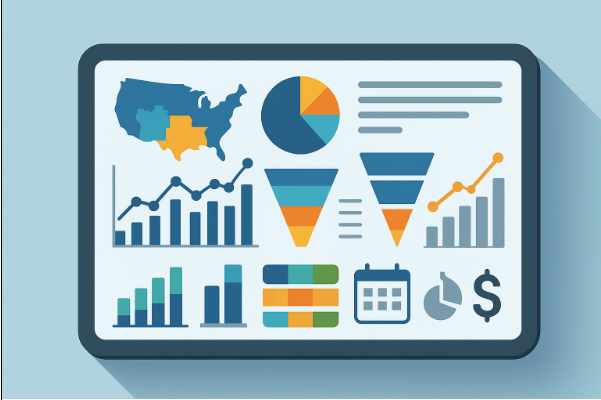
    Equipping your field sales team with real-time insights is essential. Field sales apps, powered by robust sales force automation software, help sales leaders optimize operations, track performance, and drive growth efficiently. One of the most valuable features of these apps is the sales rep performance dashboard.

    Here’s a look at the top dashboards that help businesses improve revenue generated, sales volume, and overall team productivity:

    1. Territory Performance Dashboard

    The territory performance dashboard shows how different regions are performing. Teams can see which areas generate the most revenue, identify underperforming territories, and allocate resources effectively. It’s an essential feature in field sales automation software.

    2. Daily Route & Activity Dashboard

    The daily route & activity dashboard provides real-time updates on client visits, completed tasks, and deviations from planned routes. Managers can monitor travel inefficiencies, ensure performance tracking, and maximize each rep’s time in the field.

    3. Order & Inventory Dashboard

    An order & inventory dashboard integrated with field sales apps gives reps live visibility into stock, pending orders, and delivery timelines. This improves coordination between field reps and back-end teams, enhances customer satisfaction, and increases upselling opportunities.

    4. Sales Rep Performance Dashboard

    The sales rep performance dashboard tracks individual metrics such as sales volume, revenue generated, and client visits. When paired with field sales automation software, it encourages healthy competition, accountability, and growth within the team.

    Why Dashboards Matter?

    Dashboards provide more than just data-they are decision-making tools. Using these dashboards in modern-day field sales apps gives managers real-time insights, reduces manual tracking, accelerates decision-making, and improves field operations digitization. Businesses can unlock team potential, reduce travel inefficiencies, and boost overall productivity.

    Investing in comprehensive field sales automation software with intelligent dashboards is crucial. Tools like Happisales combine all dashboards, making it easier to optimize operations, monitor performance tracking, and drive growth in a measurable way.

    What’s Next?

    Don’t let inefficiencies slow your field team. Upgrade to Happisales and track client visits, manage orders, optimize routes, and improve sales productivity in one platform.

    Schedule a demo of Happisales today to see how this field sales app can streamline your operations, increase your revenue, and help your team perform at its best. Call +91 9944585452 to get started.

  • Struggling to Hit Your IT Sales Targets? Here’s How Top US Sales Leaders Are Using Real-Time Data to Dominate.

    Struggling to Hit Your IT Sales Targets? Here’s How Top US Sales Leaders Are Using Real-Time Data to Dominate.

    Let’s be brutally honest for a moment. If you’re leading an IT sales team in the US today, you’re in a relentless sprint. The competition isn’t just fierce; it’s smarter. They’re agile. They’re predicting. And if you’re still waiting for end-of-month reports to tell you what went wrong, you’re not just behind—you’re losing ground.

    I’ve seen it countless times over my two decades in this game. Brilliant sales VPs, sharp directors, and ambitious managers, all feeling the immense pressure. They’re trying to grow revenue for cutting-edge SaaS, complex cybersecurity solutions, or critical IT services, but they’re flying blind, making decisions based on intuition or stale data.

    Here’s the truth: The most successful IT sales organizations in America aren’t just tracking sales. They’re using real-time data to see into the future of their pipeline, coach with surgical precision, and outmaneuver competitors with an almost unfair advantage.

    This isn’t about some distant, theoretical future. This is about your sales team, today. It’s about giving you the clarity and control you desperately need.

    Are You Facing These Pain Points in Your US IT Sales Operations?

    Take a deep breath. Do any of these resonate?

    • “My forecasts feel like educated guesses.” You’re constantly adjusting, stressing about hitting quarterly numbers, and feeling like you’re reacting instead of proactively guiding the ship.
    • “I know we have bottlenecks, but I can’t pinpoint where or why.” Deals are getting stuck. Reps are struggling. But isolating the exact problem in a complex IT sales cycle feels like finding a needle in a haystack.
    • “My coaching is generic. I wish I could give specific, data-backed advice.” You want to elevate your team, but without clear, immediate insights into individual performance gaps, your coaching sessions feel less impactful.
    • “We’re missing opportunities. I can feel it.” A new market trend emerges, a competitor pivots, or a specific product suddenly gains traction, and you’re always a step behind.
    • “My sales reps are good, but they’re not operating at their peak potential.” You know they have more in them, but how do you unlock it without micromanaging?

    If you nodded to any of those, know this: you’re not alone. And more importantly, there’s a powerful solution.

    The Secret Weapon: Real-Time Sales Tracking for IT Leaders

    Imagine having a living, breathing pulse on every single sales activity, every lead progression, every deal status—as it happens. This isn’t just reporting; it’s dynamic intelligence.

    Here’s how it transforms those pain points into powerful opportunities:

    • From Guessing to Predictive Power: Instead of looking backward at lagging indicators, you’re leveraging live data to forecast with unprecedented accuracy.
    • From Bottlenecks to Breakthroughs: Instantly identify where deals are stalling, which IT solutions are struggling to gain traction, or which reps need immediate support.
    • From Generic to Surgical Coaching: Drill down into specific calls, emails, or demo performances to offer tailored, impactful guidance that genuinely moves the needle for each rep.
    • From Missing to Seizing Opportunities: Spot emerging trends in client needs, rapid interest in new IT services, or sudden competitive moves, allowing you to pivot strategies in hours, not weeks.
    • From Potential to Peak Performance: Empower your team with transparency and targeted feedback, fostering a culture of continuous improvement and self-correction.

    The Bottom Line: Stop Playing Catch-Up. Start Leading.

    For IT sales leaders in the US, real-time sales tracking isn’t a nice-to-have; it’s a strategic imperative. It’s the difference between hoping to hit your numbers and knowing, with precision, how to smash them. It’s the difference between reactive problem-solving and proactive, confident leadership.

    Imagine the confidence you’d have, the peace of mind knowing you have your finger on the pulse of every deal, every rep, every opportunity. The ability to make data-backed decisions that propel your team forward, consistently hitting and exceeding targets.

    This level of insight transforms not just your sales numbers, but your entire sales culture. It empowers your team, reduces stress, and ultimately, helps you build a sales machine that consistently delivers.

    Ready to Transform Your IT Sales into an Unstoppable Force?

    If you’re an IT sales leader in the US tired of the guesswork and ready to harness the true power of real-time data, Happisales is your partner.

    We’re not just consultants; we’re architects of sales transformation. With two decades of experience helping companies like yours thrive, we specialize in:

    • Deep-Dive Audits: Uncovering your specific sales data gaps and opportunities within your existing IT sales stack.
    • Custom Dashboard Design: Building intuitive, real-time dashboards specifically tailored to your IT services, products, and sales goals.
    • Seamless Tech Integration: Connecting your CRM, sales engagement, and BI tools to create a unified, intelligent sales ecosystem.
    • Targeted Coaching Enablement: Equipping your sales managers with the tools and training to leverage real-time data for unparalleled rep development.
    • Data-Driven Go-to-Market Strategy: Ensuring your sales efforts are always aligned with the latest market trends and competitive intelligence.

  • Top 5 Features to Look for in a Field Sales App for Indian Market Conditions 

    Top 5 Features to Look for in a Field Sales App for Indian Market Conditions 

    Navigating the diverse and dynamic Indian market requires tools tailored to its unique challenges. A robust field sales app can empower sales teams to boost productivity and efficiency. Here are the top five features to prioritize when choosing the right solution for Indian market conditions. 

    1. Offline Functionality 

    India’s varied geography often means inconsistent internet connectivity, especially in rural areas. An app for field sales must offer offline support, allowing reps to log activities, manage leads, and access data without a network. Once connectivity is restored, the app should sync seamlessly, ensuring no data is lost. 

    2. Route Optimization and Real-Time Tracking 

    With traffic congestion and sprawling urban-rural landscapes, efficient route planning is critical. A sales force automation tool should include route optimization to minimize travel time and fuel costs. Real-time GPS tracking also helps managers monitor field reps, ensuring they visit clients as planned and improving accountability. 

    3. Multilingual Support 

    India’s linguistic diversity demands an app that supports multiple regional languages. Sales reps interacting with clients in languages like Hindi, Tamil, or Bengali need interfaces and customer data fields in their preferred language. This feature enhances communication and builds stronger client relationships. 

    4. Integration with Local Payment Systems 

    Cash flow management is vital for Indian businesses, often dealing with on-the-spot payments. The app should integrate with popular local payment systems like UPI or mobile wallets, enabling reps to collect payments, track unsettled invoices, and issue digital receipts instantly, streamlining financial operations. 

    5. Customizable Analytics for Market Insights 

    Understanding local market trends is key to success. The app must provide customizable analytics to track sales performance, monitor stock levels, and analyze regional demand patterns. Features like automated reports and dashboards help managers make data-driven decisions tailored to India’s fast-paced market. 

    Choosing a field sales app with these features ensures sales teams can tackle India’s unique challenges—unreliable connectivity, logistical hurdles, linguistic diversity, payment preferences, and market variability. By equipping reps with the right tools, businesses can drive efficiency, improve customer engagement, and boost revenue in this competitive landscape. 

  • Mastering Field Sales: How to Train Your Reps on Field Sales Apps and Sales Force Automation Software

    Mastering Field Sales: How to Train Your Reps on Field Sales Apps and Sales Force Automation Software

    Why Field Sales Engagement Platforms Matter

    In today’s market, using a robust field sales engagement platform is no longer optional, it’s a competitive necessity. These platforms streamline sales workflows, deliver real-time analytics, and enable better communication between field teams and managers.

    By leveraging a field sales engagement platform, businesses can:

    • Analyze customer interactions
    • Personalize field rep approaches
    • Increase customer satisfaction
    • Enable data-driven decision-making

    Staying ahead with the right field sales technology ensures your team adapts to evolving buyer behavior and market demands.

    Top Field Sales Apps in 2025

    What are the top field sales apps available, and how do they compare in terms of features and ease of use?

    Leading field sales apps in 2025 offer:

    • Offline data access
    • GPS tracking
    • Route optimization
    • In-app communication
    • Real-time order entry

    Comparison of top field sales apps:

    • App A: Known for user-friendly UI and custom workflows
    • App B: Strong in analytics and reporting
    • App C: Best for integration with legacy CRMs

    Evaluate based on ease of use, feature set, and scalability.

    Training Your Sales Team to Use Field Sales Apps

    How should I train my sales reps to effectively use new field sales technology?

    Effective field sales app training combines:

    • Hands-on experience
    • Role-playing exercises
    • E-learning and microlearning

    Start by identifying reps’ tech gaps and tailor the program accordingly. Create interactive workshops that simulate real-world usage. Reinforce learning with refresher sessions and support forums.

    Sales Force Automation Software: Benefits and Best Practices

    How can I determine which sales force automation software is best suited for my business needs?

    Sales force automation software (SFA) automates repetitive tasks and improves decision-making. Top benefits include:

    • Real-time lead prioritization
    • Automated scheduling
    • Accurate forecasting
    • Integration with marketing tools

    When evaluating sales force automation software:

    • Choose platforms with mobile-first design
    • Look for predictive analytics and lead scoring
    • Ensure CRM compatibility and API flexibility

    Implementing Effective Field Sales Training Programs

    A successful training program for field sales apps and SFA tools requires:

    • Clear KPIs and learning goals
    • Balanced curriculum (theory + practical)
    • Multiple learning formats (videos, simulations, live coaching)

    Encourage peer-to-peer learning and allow for real-time feedback collection to keep the program evolving.

    Measuring Training Success and App Adoption

    How can I measure the success of my field sales training program and app adoption?

    Metrics to track include:

    • Usage rates of the field sales app
    • Knowledge retention scores
    • Sales metrics before/after training
    • Rep satisfaction and confidence

    Use quizzes, live role-play evaluations, and CRM/app analytics to validate success.

    Case Studies: Field Sales Engagement Platforms in Action

    What are some real-world examples of companies successfully implementing field sales engagement platforms?

    1. FMCG Brand: Increased productivity by 25% within 6 months using a tailored field sales engagement platform.
    2. Pharma Company: Reduced sales cycle with sales force automation software and improved lead conversion.
    3. Retail Chain: Trained reps on a custom field sales app, leading to better customer satisfaction and repeat business.

    Future Trends in Field Sales Technology

    What future trends should I be aware of in field sales technology and automation?

    Trends shaping the next generation of field sales apps and SFA tools:

    • AI-powered sales recommendations
    • Voice-to-text note capturing
    • Predictive route planning
    • Embedded video calling within apps

    Investing early in emerging field sales technology helps future-proof your sales operations.

    FAQs

    What challenges do sales reps face when using field sales apps, and how can they be overcome?

    • Challenge: Tech resistance
      • Solution: Gamified onboarding and peer mentoring
    • Challenge: Poor mobile network coverage
      • Solution: Choose apps with offline functionality

    How do field sales apps help improve sales productivity and customer engagement?

    • Real-time insights and automation free up time
    • Location tracking and visit planning improve efficiency
    • Personalized follow-ups increase engagement

    What are the key features to look for in a field sales app or sales force automation software?

    • Custom workflows
    • CRM and ERP integration
    • AI and analytics
    • Offline support

    Book a demo today and experience how a tailored field sales engagement platform can elevate your sales strategy.

  • The Significance of Field Sales App for FMCG Sector

    The Significance of Field Sales App for FMCG Sector

    Fast Moving Consumer Goods (FMCG) is one of the faster-growing sectors that contribute to the revenue of any country.  The FMCG market in India is expected to increase at a CAGR of 14.9% to reach US$ 220 billion by 2025, from US$ 110 billion in 2020. The Indian FMCG industry grew by 16% in CY21 a 9- year high, despite nationwide lockdowns, supported by consumption-led growth and value expansion from higher product prices, particularly for staples. (Source: IBEF)

    FMCG-based businesses have to deal with a wide array of distributors, retailers, and dealers daily. Performing all the activities manually takes time, effort, and cost. 

    Obsolete data and lack of coordination between departments are a headache for companies. Tracking sales operations, updating sales data, and improving the overall sales operations are laborious when performed manually. Companies are under pressure to deliver the goods to customers using manual efforts. 

    Post Covid-19, FMCG-based companies have realized the impact of digital transformation solutions and advanced mobile applications to manage their operations, especially their sales operations. 

    Of the many solutions, mobile field sales application has gained significant momentum over the past few years and is a potential game changer in field sales and other related operations. 

    In this post, I have highlighted some of the key benefits of field sales mobile app for FMCG sector. 

    #1 – Centralized sales tracking

    Obsolete or dispersed data will never allow any company with insights to improve. Having the data of different processes and processing the information can be backbreaking for companies. Lack of accuracy and man-made errors can add more salt to the injury. 

    Companies are looking for a solution to store and access data from a centralized system, and mobile field service software helps the workforce and top management access real-time data from anywhere and anytime from a centralized repository. 

    Implementing field sales apps in FMCG related companies can simplify the data management and accessibility challenges. 

    #2 – Access to real-time operation data 

    The manual access to sales data often hampers the production and sales cycle massively. Top management faces the challenge of making quick and smart decisions based on the data. Without real-time data from field sales reps and internal teams, predicting the trend and improving the business is hard. 

    Empowering the field force with an advanced mobile app will help them to make faster decisions based on real-time data. Field sales app simplifies the process and enables the automatic data collection from field sales operations. The app brings transparency to the entire process and helps the top management to make better decisions based on the accurate real-time data amassed. 

    #3 – Process data quickly and efficiently

    While amassing data is challenging for FMCG companies, processing the data for faster decisions is even more demanding. This is where Cloud computing technology kicks in. Mobile Sales App are powered with Cloud technology to process the data. Updating and retrieving data are simpler with Cloud; you can process the data in no time to make intelligent decisions. 

    Another massive benefit of using Cloud in the field sales app is it allows sales reps to up-sell and cross-sell products to customers when needed. Based on the individual customer histories and preferences, sales reps can delight them with personalized offers to customers. 

    #4 – Digitalize the distribution, retail, and sales operations

    Manual coordination of distributors, retailers, and sales is often daunting and requires time and effort. The lack of accurate data makes tracking companies’ sales operations even more challenging. 

    Tracking the complete workflow is simple with the help of the mobile field sales app. The field sales application helps the companies to track retailers and sales operations in real-time and provides accurate data. Empower your workforce with real-time data to collaborate better and render a best-in-class customer experience. 

    #5 – Increase in business RoI

    It doesn’t matter what kind of process or technology you adopt, if the initiative is not providing you any revenue, it’s of no use. Many companies have realized this. This is the obvious reason why most FMCG-based companies are insisting on digital transformation solutions like file force apps to streamline processes, collaborate better to improve revenue. 

    Field sales applications have significantly improved the performance of businesses over the years due to its ability to scale and improve operations significantly. 

    The field force automation market size was $1,196.9 million in 2019, and it is projected to record a CAGR of 20.9% during 2020–2030. The strongest growth drivers for this market include the increasing smartphone and mobile internet penetration, surging focus on leveraging advanced technologies, such as cloud computing, the internet of things (IoT), and artificial intelligence (AI), in field force automation solutions, and soaring requirement for automating repetitive activities. (Source: psmarketresearch)

    #6 – Optimized route planning

    Route optimization for meeting distributors, retailers, and customers every day is a headache to both managers and sales reps when performed manually. The entire process can go for a toss if the route planning is unsuccessful. Optimizing the route perfectly with automation software is desired to reduce the challenges of meeting the stakeholders. 

    Field sales software enables sales managers to optimize routes quickly and helps sales reps to meet customers on-time. The managers can also switch routes if they have to alter them based on climate or transportation difficulties.

    Wrapping up

    Field sales applications are transforming how FMCG companies operate, and smart leaders have already started to implement digital advancements to improve business efficiency. 

    If you’re looking for reliable field sales software for business growth, I recommend you. 

    With the real-time data acquired, companies have improved their business growth massively. Happisales can be your ideal solution to simplify field sales operations and amplify business growth. The advanced field sales app will help your sales rep to facilitate collaboration and data sharing between departments. 

    Want to empower your sales team with advanced field sales applications, try happisales now. As the name suggests, the application will delight your sales reps and internal teams dealing with sales data. 

    Want to explore the features and benefits of happisales? 

    Request a free trial now